


Updated on: 26 January 2026
Tired of looking like you've been caught in a wind tunnel after styling your hair? Modern blow dryers for men have evolved from clunky, one-speed contraptions into sophisticated grooming tools that actually deliver results. Discover how the right device can transform your morning routine, save you precious time, and help you achieve salon-quality finishes at home without burning your scalp or emptying your wallet.
Table of Contents
- From Disaster to Dapper: My Hair-Drying Journey
- Why Men Are Finally Embracing Blow Dryers
- Quick Tips for Mastering Your Drying Technique
- How to Choose the Perfect Device for Your Hair Type
- Common Mistakes That Ruin Your Style
- Summary and Next Steps
- Frequently Asked Questions
- About the Author
From Disaster to Dapper: My Hair-Drying Journey
Picture this: it's 7:45 AM, you've got an important meeting in fifteen minutes, and your hair looks like it's auditioning for a role in a 1980s rock band. That was me, approximately four years ago, before I discovered the transformative power of quality styling tools designed specifically for gentlemen.
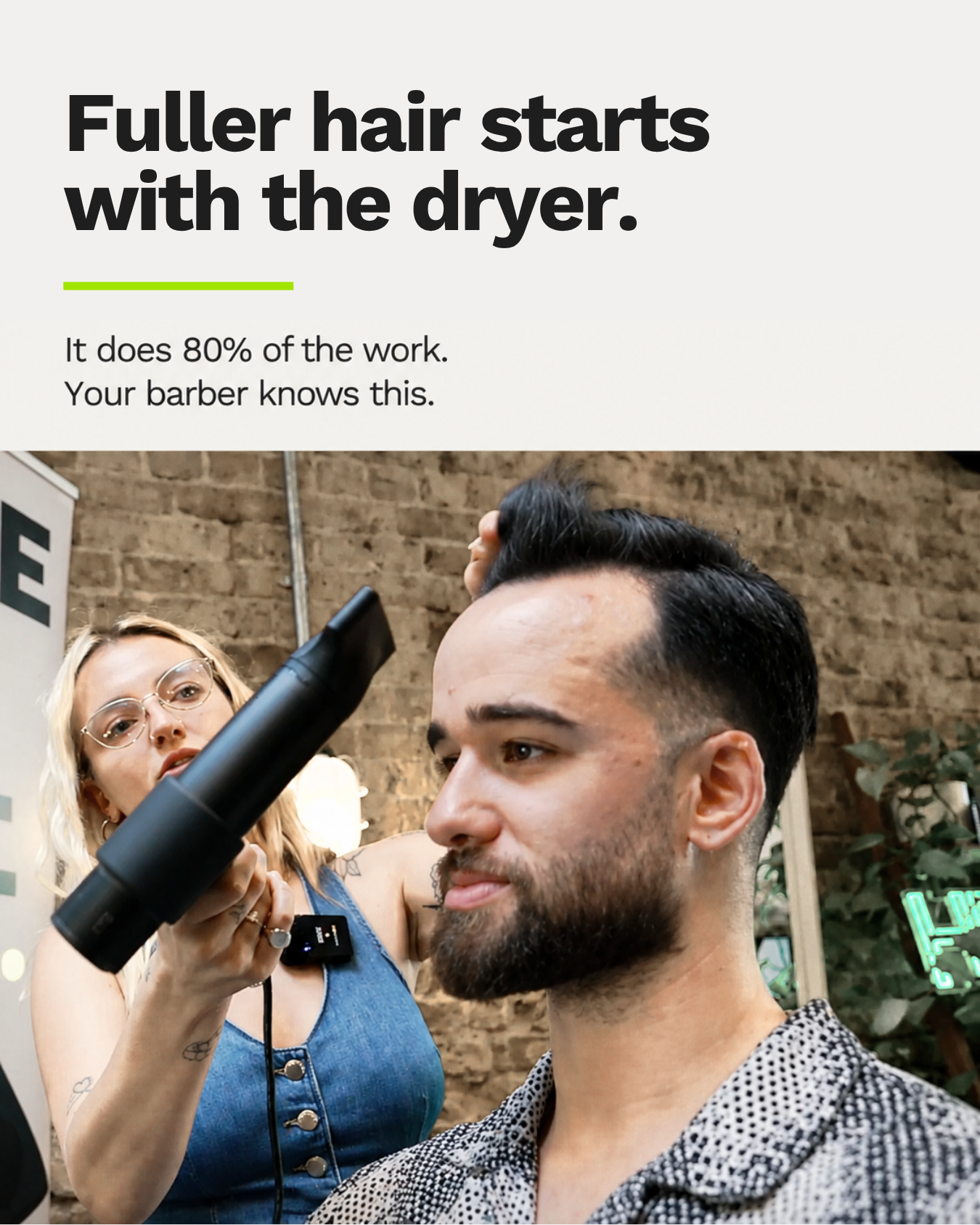
For years, I assumed blow dryers were exclusively for women. My approach to post-shower hair management involved nothing more sophisticated than a quick towel ruffle and hope. Spoiler alert: hope is not a hairstyle strategy. Everything changed when a barber casually mentioned that professional stylists use these devices for every single client, regardless of gender. The lightbulb moment hit me like a full blast of warm air at close range.
That conversation prompted me to invest in my first proper drying device. Within one week of regular use, my hair looked cleaner, fuller, and infinitely more intentional. My confidence improved alongside my appearance. Fast forward to today, and I'm genuinely baffled by how many men are still missing out on this simple grooming hack. If you're in that same boat, buckle up—we're about to change your bathroom routine forever.
Why Men Are Finally Embracing Blow Dryers
The stigma surrounding men's styling tools has evaporated faster than water under heat (see what I did there?). Modern grooming expectations have shifted dramatically. Looking polished and put-together is no longer optional for professional settings—it's basically mandatory. Here's why gentlemen everywhere are catching onto this trend:
- Speed and Efficiency: A quality device cuts your morning routine down by half. Instead of waiting around for your hair to air dry, you're out the door looking sharp in minutes.
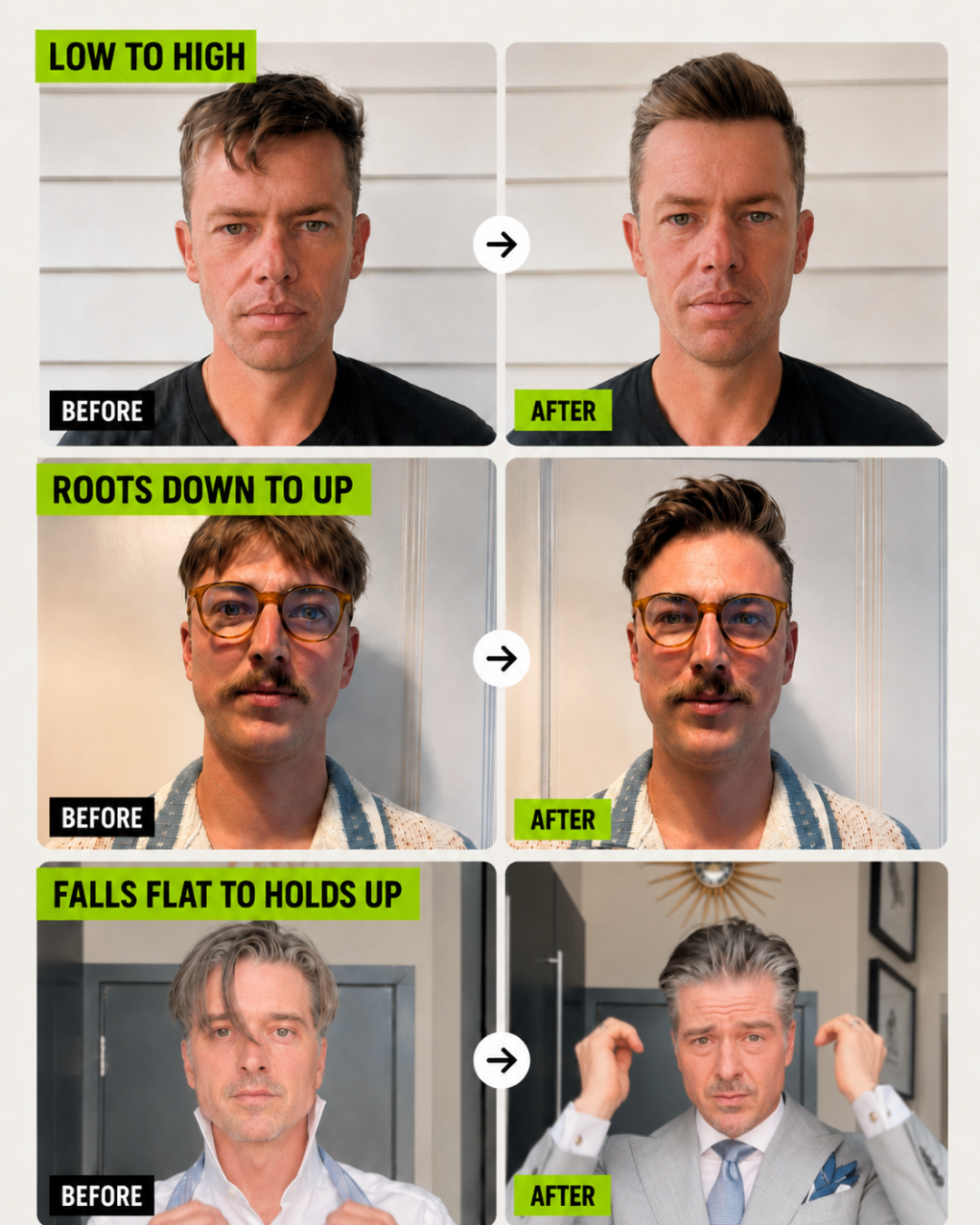
- Superior Volume and Texture: Heat styling creates lift at the roots and definition throughout. Your hair automatically looks thicker and more controlled compared to the flat, damp appearance of air-dried locks.
- Taming Unruly Hair: If you've got thick, curly, or textured hair, a powerful device becomes your best friend. It gives you genuine control over your appearance rather than leaving you at nature's mercy.
- Professional Appearance: Whether you're heading to a boardroom or a casual date, styled hair signals that you've made an effort. That small detail genuinely impacts how others perceive you.
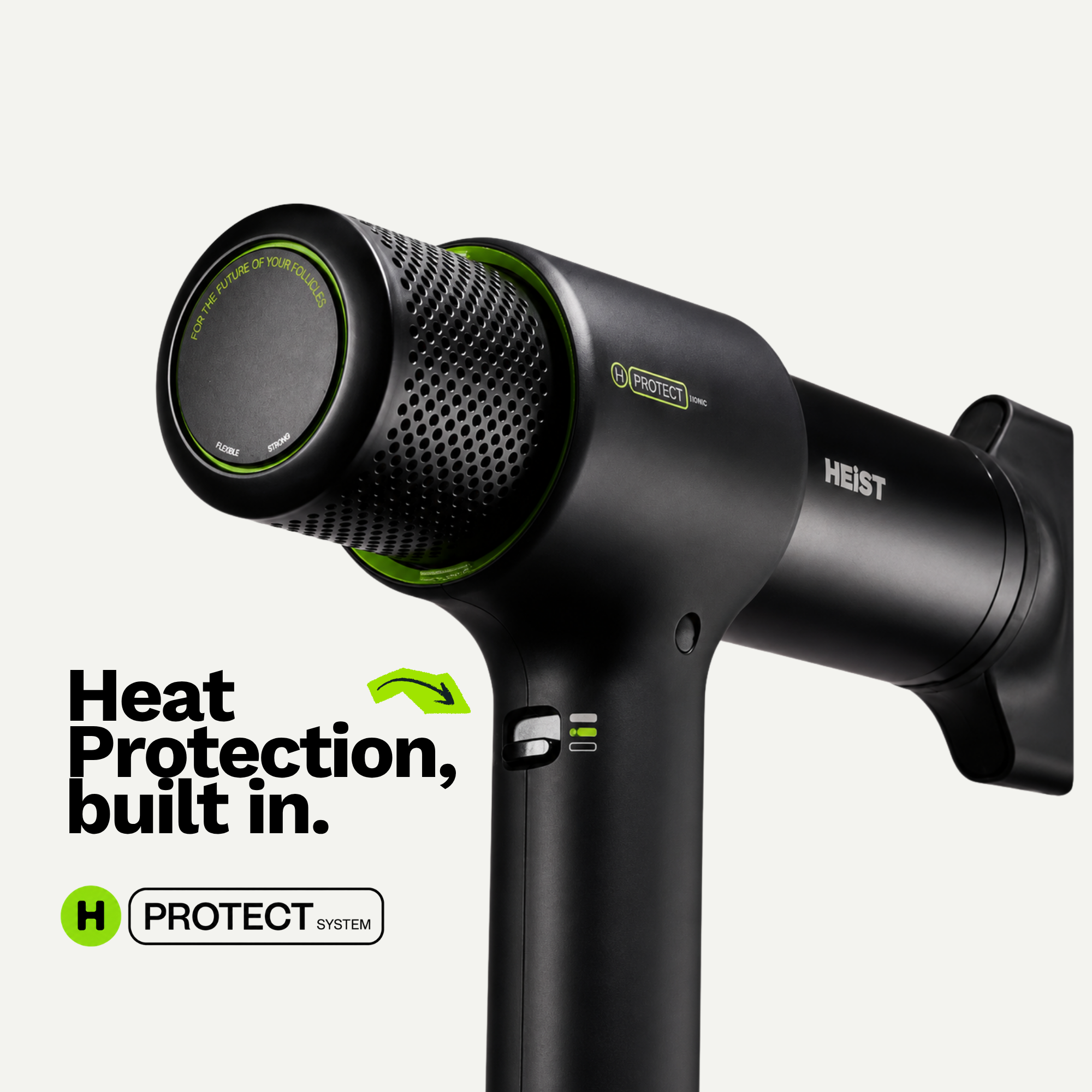
- Protection Against Damage: Modern units feature ionic technology and heat damage protection. They actually make your hair healthier than air drying, which causes moisture loss and frizz.
- Accessibility and Affordability: Quality options exist at every price point now. You don't need to spend a fortune to see genuine improvements in your grooming game.
- Versatility: Different attachments and settings let you create various styles. Your morning blow dry works equally well with a sleek style or textured, tousled look.
Quick Tips for Mastering Your Drying Technique
Simply owning a device isn't enough—technique matters enormously. These straightforward strategies will elevate your results immediately:
- Start with a Microfiber Towel: Regular towels cause frizz and damage. Microfiber removes excess moisture gently without roughing up your hair cuticles.
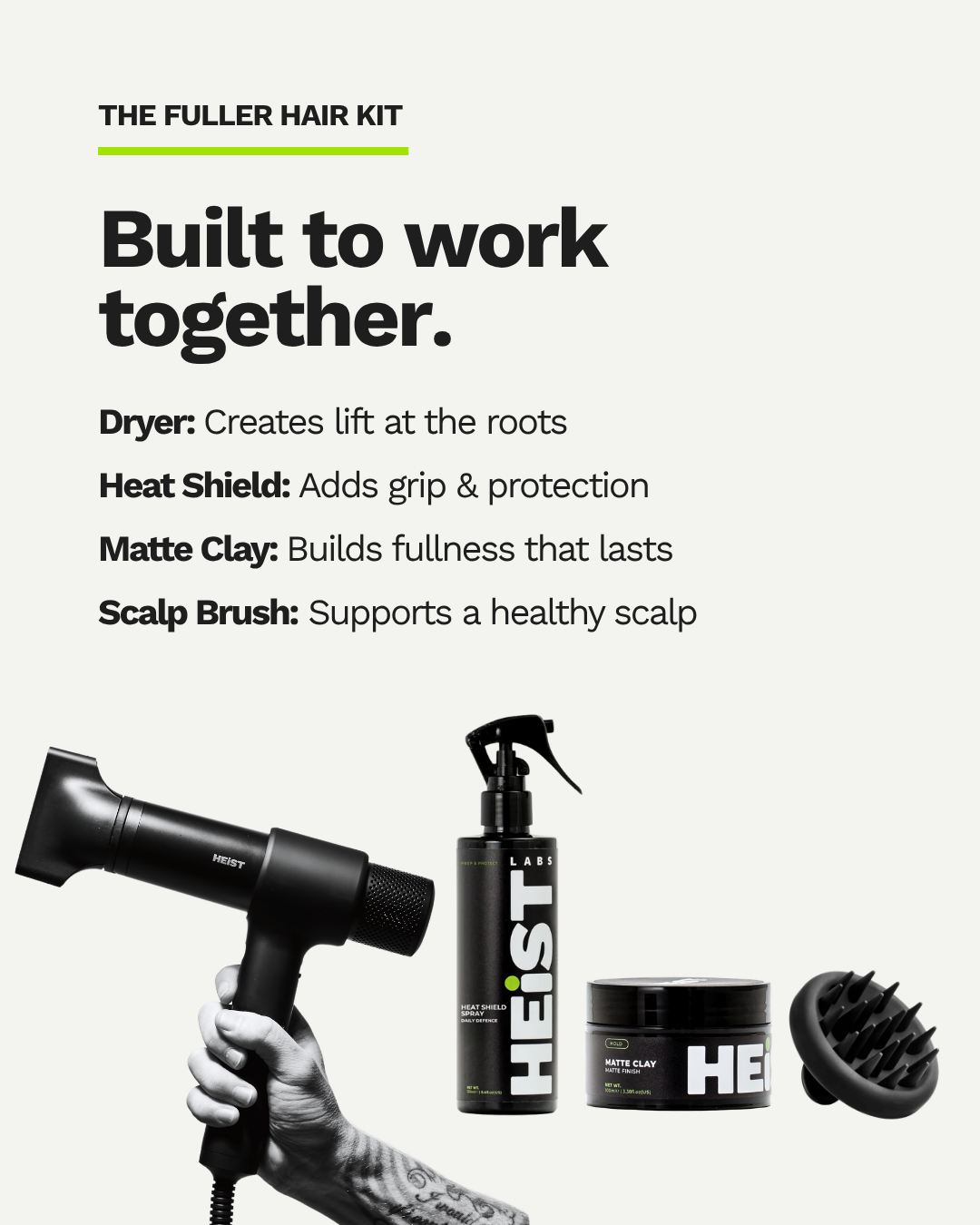
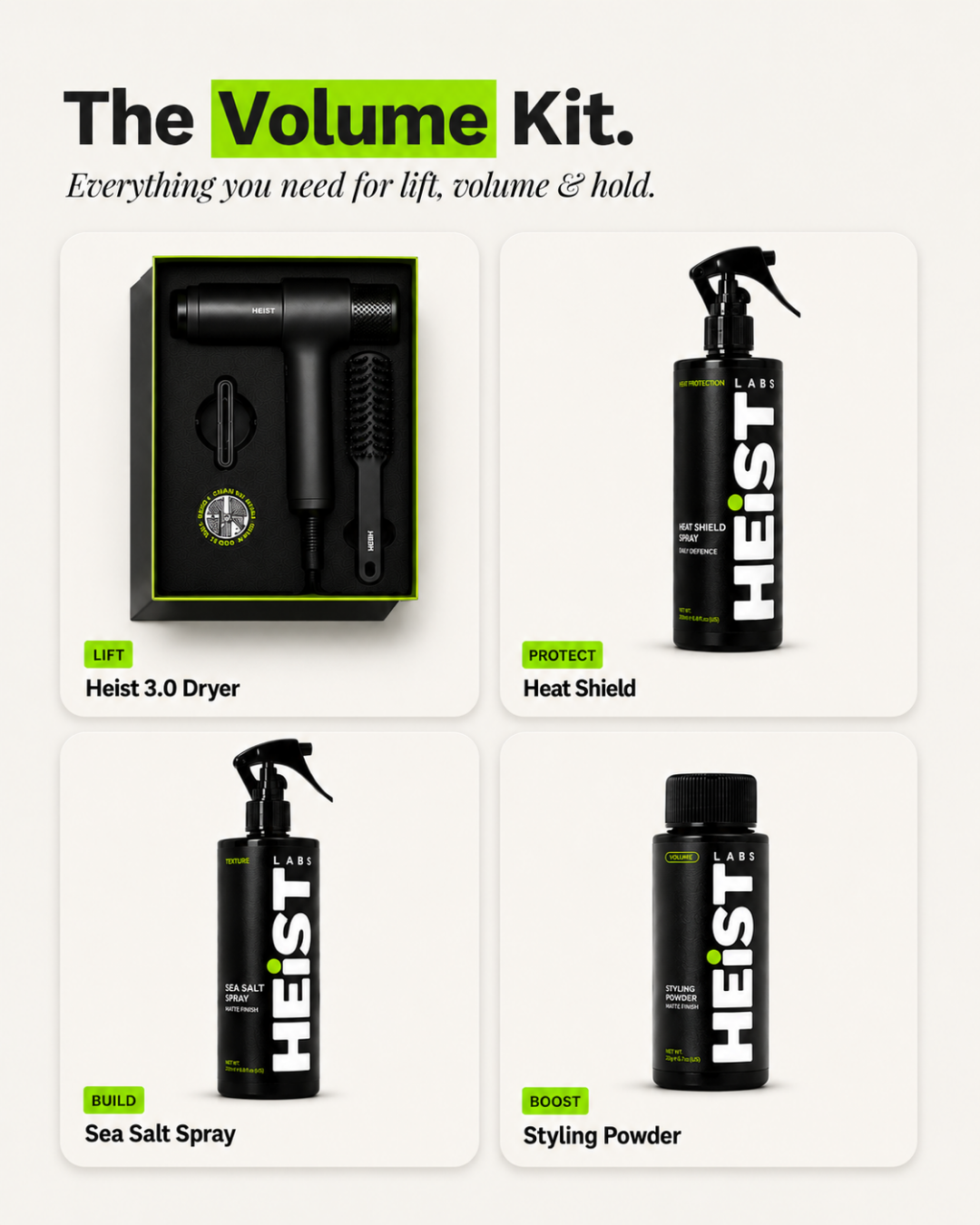
- Apply Heat Protectant First: These lightweight sprays shield your hair from damage and often add beneficial ingredients like proteins and oils.
- Use Medium Heat, Not Maximum: Highest settings feel intense but actually damage hair. Medium heat with extended time produces better results and less frizz.
- Direct the Nozzle Downward: Pointing it down along the hair shaft smooths cuticles and reduces frizz. Pointing upward creates chaos.
- Keep Distance Consistent: Stay roughly six inches from your scalp. Closer distances can burn your skin or cause excessive heat damage.
- Dry the Underside First: This technique prevents the top from drying completely before you've worked through the base layers for even results.
- Finish with Cool Shot: A final blast of cool air seals hair cuticles, locks in your style, and adds shine.
- Work with Your Hair's Natural Direction: Fighting your hair's growth patterns wastes time and energy. Work with your hair, not against it.
How to Choose the Perfect Device for Your Hair Type
Not all styling tools are created equal. Your hair type dramatically influences which option works best for you.
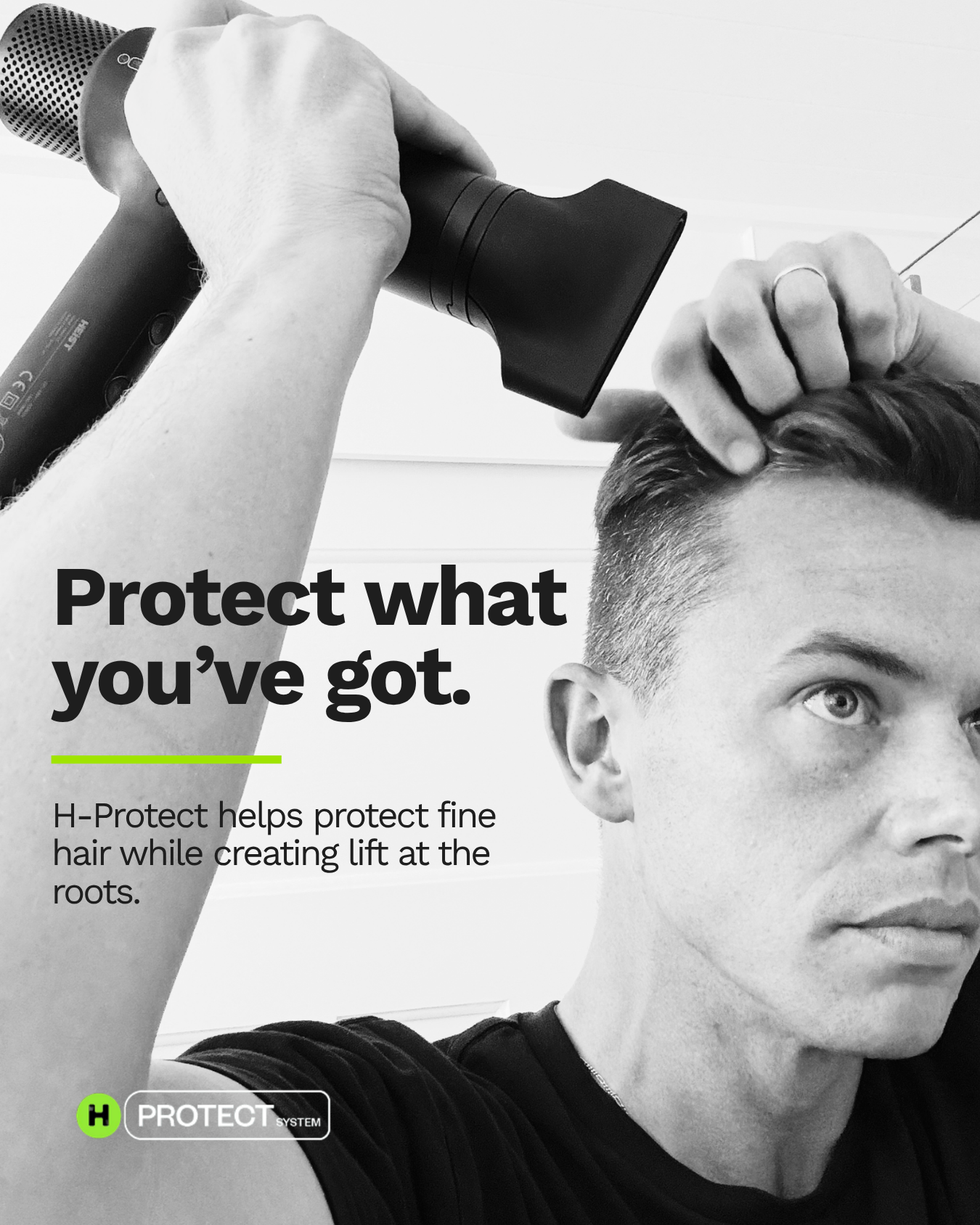
For Fine or Thin Hair: Look for lighter-weight models with lower wattage. You want something powerful enough to style quickly but not so intense that it damages delicate strands. Ionic technology is your friend here—it reduces frizz while adding volume. Professional-grade options often feature intelligent heat management that protects fine hair while delivering results.
For Thick or Curly Hair: Invest in higher wattage and stronger airflow. You need genuine power to dry through density without spending forty-five minutes hovering over your head. Look for models with multiple heat and speed settings so you can customize intensity. Specialized dryers designed for textured hair often include diffuser attachments that distribute heat evenly.
For Straight Hair: You have flexibility in your choices. Straight hair is more forgiving than other textures. Focus on models with concentrator nozzles for precise styling. Dedicated straight hair tools typically feature streamlined designs that create sleek, polished results.
For Combination Textures: Choose something versatile with multiple attachments. You'll want options to handle different areas of your head that behave differently. Variable speed and heat settings provide the flexibility to adapt as needed.
The investment in finding the right tool pays dividends. Using something mismatched to your hair type creates frustration and suboptimal results. Spend time identifying your specific needs before purchasing.
Common Mistakes That Ruin Your Style
Even with quality equipment, technique errors sabotage your efforts. Avoid these widespread pitfalls:
Using Maximum Heat Constantly: This is the fastest way to damage hair and create frizz. Your hair isn't made of steel—treat it accordingly.
Starting While Hair Is Soaking Wet: This prolongs drying time unnecessarily. Towel dry first until your hair stops actively dripping.
Neglecting the Cool-Down Phase: This final step is non-negotiable for style longevity. It seals everything in place.
Holding It Too Close: Keeping the device inches from your scalp burns skin and fries hair. Maintain proper distance.
Going Against Your Hair's Natural Grain: Fighting your hair's texture wastes time and creates an unnatural appearance.
Skipping Heat Protectant Products: These aren't luxuries—they're essential protective layers between your hair and direct heat.
Summary and Next Steps
Modern styling devices for men represent a straightforward upgrade to your grooming routine. They deliver salon-quality results at home, save precious morning minutes, and genuinely improve how you look and feel about yourself. The technology has evolved significantly, making these tools more effective and hair-protective than ever before.
Your action plan is simple: assess your hair type honestly, research options suited to your specific needs, invest in a quality device, and commit to learning proper technique. Watch video tutorials if necessary—seeing the motion in action often clarifies what written instructions cannot convey. Start experimenting this week. Your hair will thank you, and your confidence will follow.
Frequently Asked Questions
How long should I spend drying my hair each morning?
Most men can achieve great results in five to ten minutes, depending on hair length and thickness. Short hair typically requires just three to five minutes. The key is using proper technique rather than rushing through it. With practice, the entire process becomes quick and automatic.
Will using a blow dryer damage my hair?
Not if you use it correctly. Modern devices include protective technologies like ionic systems and temperature controls. The real risk comes from excessive heat, holding it too close, or skipping heat protectant products. Proper technique actually prevents more damage than air drying, which causes moisture loss and frizz.
Can I use a blow dryer on wet hair immediately after showering?
You can, but it's inefficient. Towel dry first until water stops dripping actively. Starting with completely soaked hair wastes time and heats water rather than styling your hair. A quick towel session dramatically reduces overall drying time.
What's the difference between ionic and regular blow dryers?
Ionic technology emits negative ions that break water molecules into smaller particles, allowing faster evaporation and reducing frizz significantly. Regular dryers lack this feature. The ionic version typically costs more but delivers noticeably superior results, especially for frizz-prone or fine hair.
Should I use attachments or just the basic nozzle?
Attachments like concentrator nozzles and diffusers serve different purposes. Concentrators direct airflow for precise styling. Diffusers distribute heat widely for textured hair. Start with the concentrator nozzle as your primary attachment—it works for most men's styles. Add specialty attachments as you discover your preferences.
How often should I replace my styling device?
Quality devices last three to five years with regular use. Signs you need replacement include reduced airflow, inconsistent heat, or strange noises. Proper maintenance—cleaning the filter regularly and storing carefully—extends lifespan significantly.
Is a more expensive device always better?
Not necessarily. Price reflects brand reputation and advanced features rather than pure performance. Premium options often include smart heat management and luxury designs, but mid-range devices deliver excellent results for most men. Focus on wattage, heat settings, and attachments rather than price alone.
Can I travel with my blow dryer?
Yes, but check voltage compatibility. Most modern devices work with 110-240 voltage, making them internationally compatible. Compact travel versions exist for convenience. Always pack it in checked luggage rather than carry-on to avoid TSA issues, and wrap it securely to prevent damage.
What's the best way to store my styling device?
Store it in a cool, dry location away from humidity. Many devices come with hanging hooks or travel cases. Never wrap the cord tightly around the body while it's still warm—this damages the cord and insulation. Let it cool completely before putting it away.
Should I clean my blow dryer regularly?
Absolutely. Clean the filter every month by gently removing dust and debris. Check your manual for specific cleaning instructions. A clean filter improves airflow and prevents overheating. Some models feature removable nozzles that benefit from regular cleaning too.
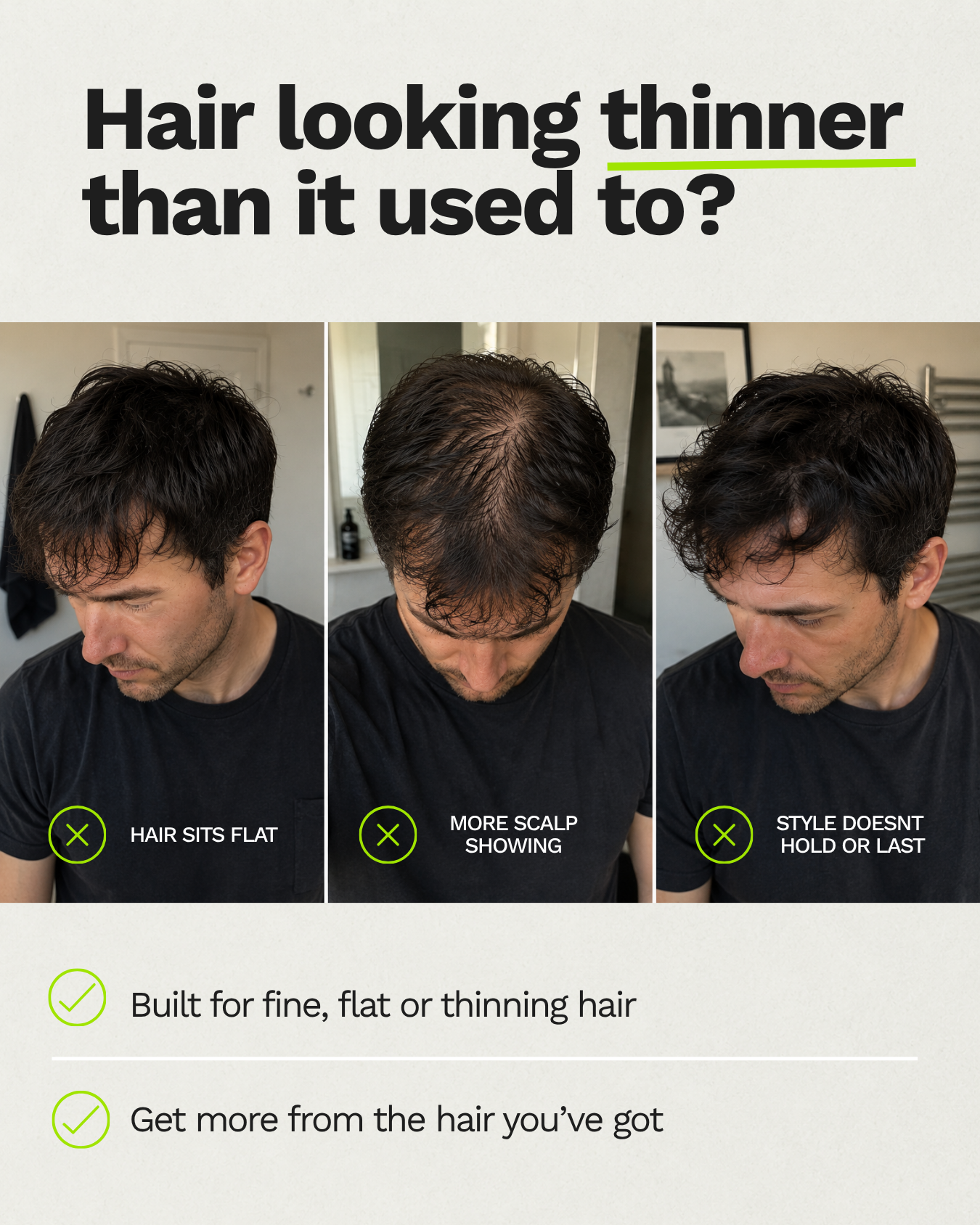
Will a blow dryer help if I'm experiencing hair loss?
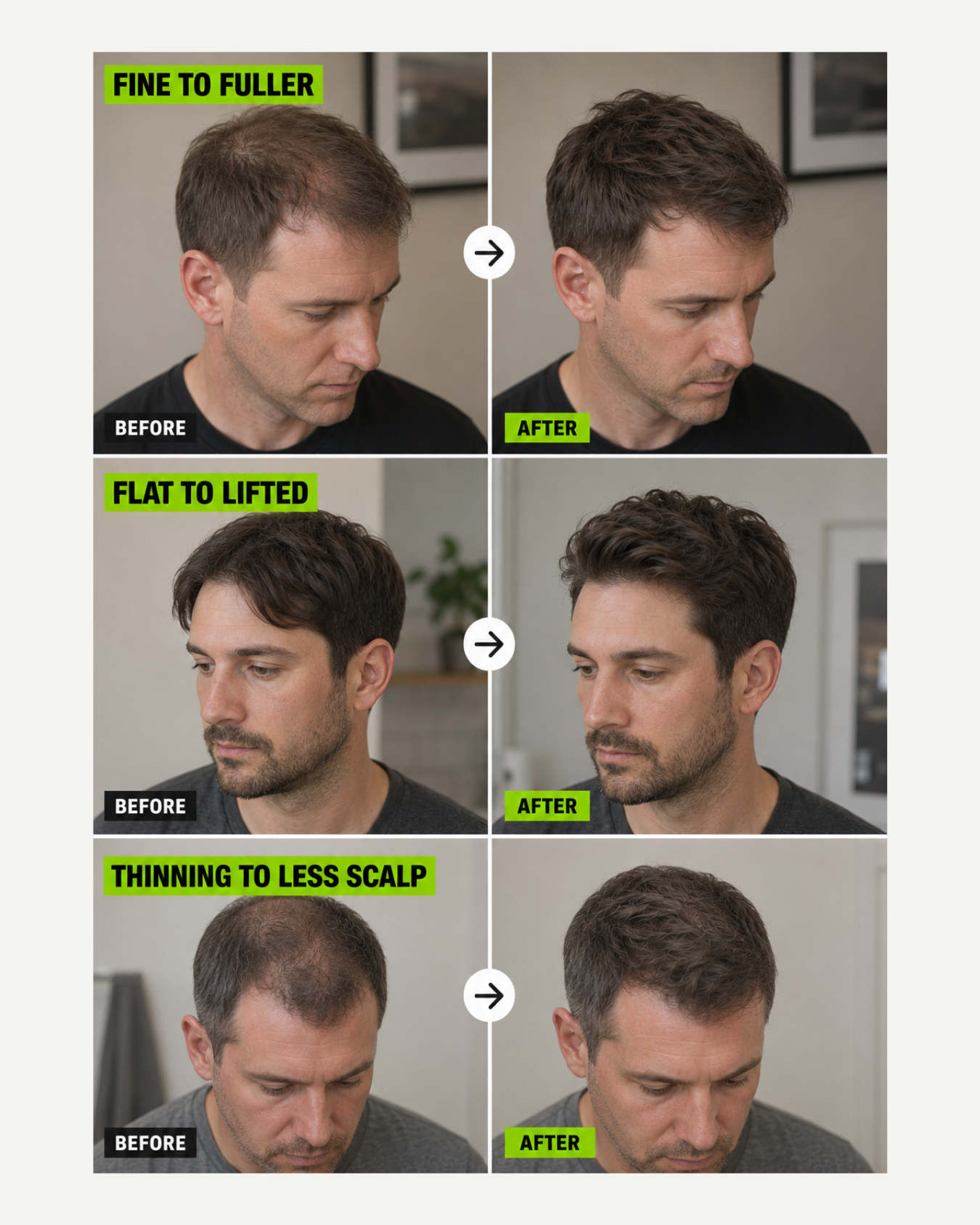
Using proper technique helps your existing hair look fuller and thicker, which boosts confidence. However, no styling tool stops hair loss itself. If you're concerned about hair loss, consult a dermatologist for appropriate solutions. Quality styling tools simply maximize your current hair's appearance.
Can I use a regular blow dryer designed for women on my hair?
Technically yes, but designs marketed for men often feature better performance for shorter, thicker hair. Women's models sometimes prioritize noise reduction and heat damage prevention for longer hair. Your mileage varies based on your specific hair type and the device's actual specifications rather than its marketing category.
What products should I use with my blow dryer?
Heat protectant spray is essential—use it every time. Styling products like pomades, pastes, or clays work well post-drying for hold and texture. Some men apply light styling cream before drying for added control. Experiment to find what works with your hair type and desired style.
How do I achieve different hairstyles with a blow dryer?
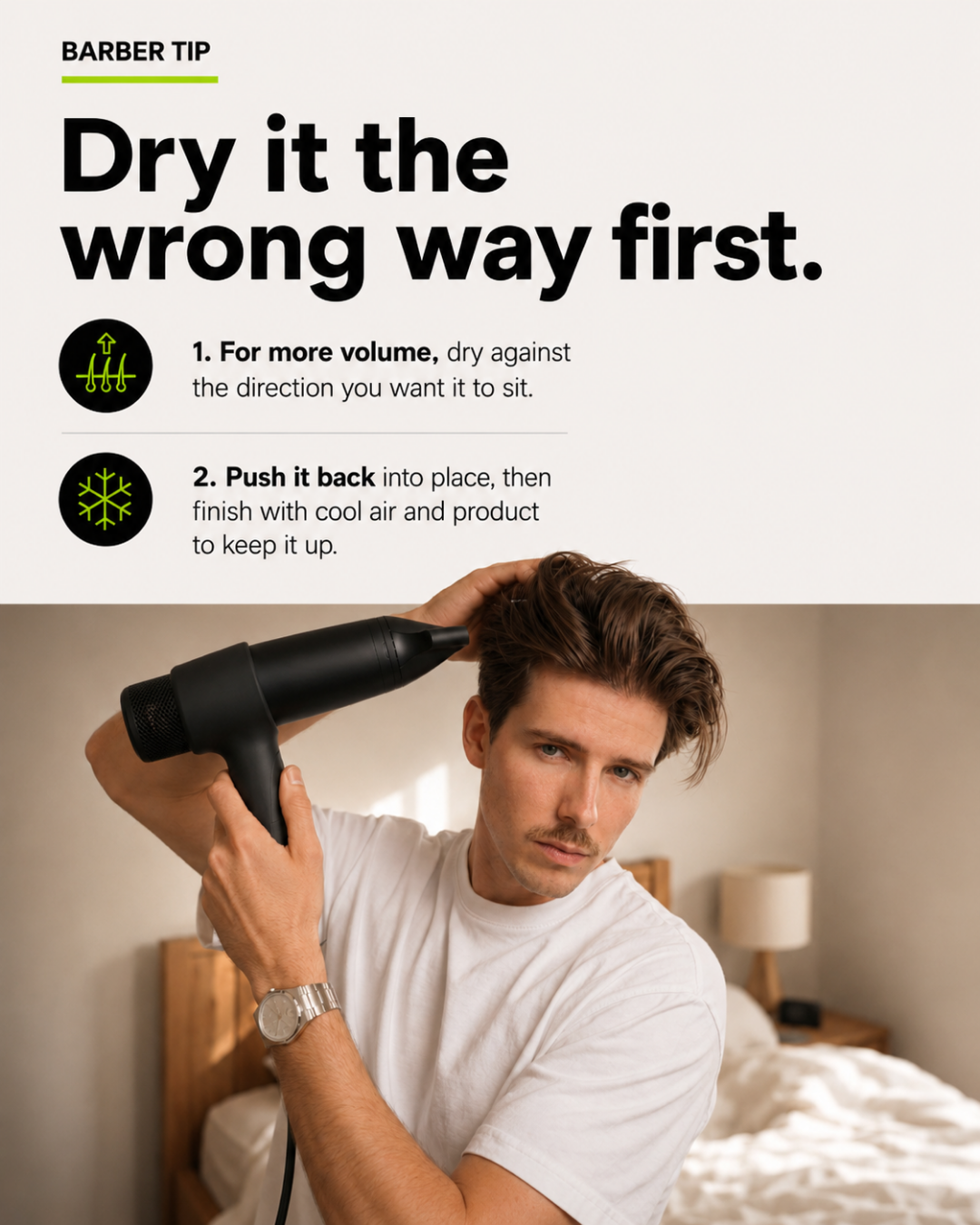
Use the concentrator nozzle to direct hair in your desired direction while drying. For volume, dry against your natural hair growth at the roots. For sleek styles, dry with the grain. Once you master these basics, you can create virtually any style by adjusting direction and heat intensity.
Is it necessary to use a leave-in conditioner before blow drying?
Not necessary, but beneficial. Leave-in conditioners provide moisture and protection, especially if you have dry or damaged hair. However, many men skip this step and still achieve great results with heat protectant alone. Find what your hair needs through experimentation.
Can humidity affect my styled hair?
Absolutely. Humidity causes frizz and disrupts styling. That final cool-shot finish helps seal hair and resist humidity better. In humid climates, using anti-frizz products provides additional protection. Humidity is why styling matters more in some locations than others.
What wattage should I look for in a blow dryer?
Wattage generally ranges from 1200 to 1800 watts. Higher wattage typically means faster drying and stronger airflow. For thick or curly hair, aim for 1600+ watts. Fine hair can work with 1200-1400 watts. More power isn't always better—it's about matching your hair type's actual needs.
Should I blow dry my hair every single day?
You can, but it's not required. Some men blow dry daily for styling purposes and it works fine. Others do it several times weekly. Listen to your hair's needs. If it shows signs of damage or excessive dryness, give it recovery days. Most men benefit from at least three to four styled sessions weekly.
Do I need multiple attachments or just the basic nozzle?
Start with the basic concentrator nozzle—it handles most situations perfectly. Add a diffuser only if you have curly or textured hair that needs it. Most men never use additional attachments, so don't buy extras unnecessarily.
What's the noise level like on modern blow dryers?
Modern devices typically range from 75 to 85 decibels—comparable to a vacuum cleaner. Some premium models prioritize quieter operation. If noise bothers you early in the morning, check decibel ratings before purchasing. Most men adapt to the noise quickly.
Can I use my blow dryer on a beard?
You can, but it's not ideal for long beards since direct heat can damage facial hair. For short stubble or keeping your neckline clean, it works fine. If you have a substantial beard, a specialized beard dryer or regular towel drying works better.
How do I know if my blow dryer is overheating?
Most modern devices have automatic shut-off safety features. Signs of overheating include the device shutting off unexpectedly, reduced airflow, or a burning smell. If this happens, unplug it immediately and let it cool. If problems persist, the device needs replacement.
Are cordless blow dryers worth the investment?
Cordless models offer convenience but typically have lower power and shorter battery life. For men with short hair and quick drying needs, they might work. For thicker hair or those who prefer maximum power, corded models remain superior. Consider your specific needs.
What should I do if my blow dryer stops working?
Check that it's properly plugged in and the outlet works. Ensure the filter isn't clogged, restricting airflow. If problems persist and the device is under warranty, contact the manufacturer. Most issues are resolved with filter cleaning or replacing a faulty cord.
Can I use my blow dryer while standing in the shower?
Absolutely not. Water and electricity are extremely dangerous together. Always use electrical devices only after you've completely dried off and exited the shower. This is a serious safety requirement, not a suggestion.
How does ionic technology actually work?
Ionic emitters release negative ions that break water molecules into tinier particles. This speeds evaporation and reduces the frizz-causing effects of moisture. The science is legitimate and produces real benefits, especially for men with frizz-prone or fine hair types.
Should I invest in a professional salon-grade blow dryer?
Professional models offer superior performance and durability but cost significantly more. For most men, mid-range consumer devices deliver excellent results at reasonable prices. Only upgrade to professional if you've tried consumer options and feel limited by their capabilities.
What's the difference between concentrator and diffuser attachments?
Concentrators focus airflow into a narrow stream for precise styling and smooth surfaces. Diffusers spread airflow widely to gently handle textured or curly hair without disrupting curl patterns. Most men use concentrators exclusively unless they have textured hair requiring a diffuser.
Can I use my blow dryer for other purposes besides styling?
Yes. Some men use low-heat settings to dry other items after washing. However, using it exclusively for hair extends its lifespan. The device is engineered specifically for hair grooming. Avoid using it for other purposes when possible.


Share:
Hair Care Innovation Practical Tips for Healthier Hair
Choosing Ionic Hair Dryers: Quiet Power, Smooth Results