



Updated on: 2026-06-22
If you’ve ever wondered how to level up your look without overcomplicating things, hair care for men is a great place to start. The right routine can help with dryness, frizz, itch, and overall manageability. In this guide, you’ll learn simple steps for washing, conditioning, styling, and troubleshooting common scalp and hair concerns. You’ll also get product-type tips and a quick FAQ so you can build a routine that fits your hair and lifestyle.
Table of Contents
Introduction
Benefits & Reasons
Start With Your Hair Type
Build a Simple Routine
Washing: Frequency, Technique, and Water Temperature
Conditioning: Why It Matters Even for Short Hair
Scalp Care: The Foundation Most People Skip
Drying and Styling: Reduce Damage, Keep Control
Tools That Make a Difference
Common Mistakes to Avoid
Troubleshooting by Concern
Ready to Upgrade Your Routine?
FAQ
Hair care for men, made simple
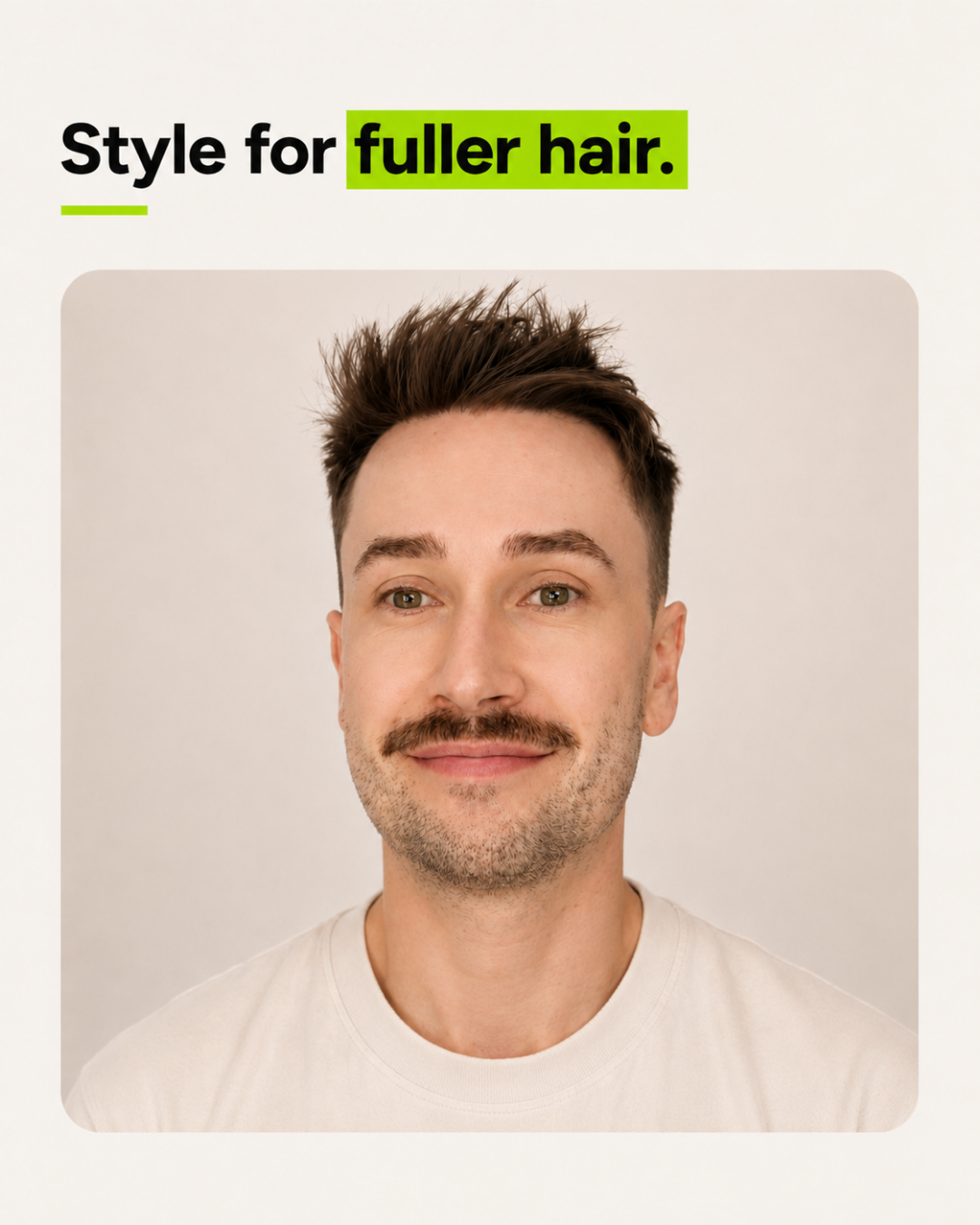
Let’s be real: most guys want hair that looks good with minimal effort. You shower, you towel-dry, you throw in a quick product if you remember, and you hope for the best. But hair care for men doesn’t have to be complicated. With a few smart habits, you can make your hair feel softer, look healthier, and style easier—whether you’ve got a buzz cut, short sides with volume on top, or longer textured hair.
Think of it like skin care. You don’t need a 12-step routine to see improvement. You just need the right basics done consistently. In the sections below, I’ll walk you through a friendly, practical approach you can actually stick with.
Benefits & Reasons
When your routine matches your hair, you’ll usually notice changes fast—mainly in how your hair behaves day to day.
1) Better softness and less roughness. Washing and conditioning help reduce that “straw-like” feel that can build up from sweat, product, and hard water.
2) More control without fighting your hair. The goal isn’t to eliminate texture. It’s to make it easier to shape and tame, so you spend less time re-styling.
3) A calmer scalp. A healthy scalp helps your hair look more consistent and can reduce itchiness or flakiness caused by buildup or dryness.
4) Less damage from heat and friction. Drying and styling techniques matter. Even simple changes—like drying gently—can prevent frizz and breakage over time.
Start With Your Hair Type
Before you buy anything, take a minute to identify what your hair is like. Not perfectly—just enough to guide choices.
- Wavy or curly: Often needs more moisture and a gentler approach to drying.
- Straight: Can get weighed down easily, so lighter conditioning usually works best.
- Coily: Typically benefits from richer leave-in moisture and careful detangling.
- Fine hair: Looks best with lightweight products and the right amount of conditioning.
- Thick hair: Can handle richer formulas and may need extra detangling care.
- Oily scalp: Often needs more consistent cleansing to manage buildup.
- Dry or sensitive scalp: Usually does better with gentler cleansing and thoughtful moisturization.
If you’re not sure, start observing. After you wash, does your hair feel stretchy or rough? Does it get frizzy fast? Does your scalp feel tight? Those clues point you toward the right routine.

Hair texture icons and routine checklist layout
Build a Simple Routine
You don’t need a complex system. You need a routine that covers three areas: cleansing, conditioning, and styling. Then you adjust based on how your hair responds.
Here’s a simple framework you can customize:
- Wash: Use shampoo to cleanse your scalp and remove buildup.
- Condition: Use conditioner to soften hair and improve manageability.
- Style: Use a product that matches your look goals (shine, hold, texture, or volume).
- Protect: Dry gently and use heat wisely to reduce damage.
If your schedule varies, that’s okay. Consistency matters more than perfect timing. Even a routine that shifts by a day or two can still work great.
Washing: Frequency, Technique, and Water Temperature
Let’s talk washing, because it’s where a lot of guys accidentally make things harder. If you wash too often, hair can feel dry. If you wash too rarely, buildup can make hair look dull and feel heavy.
How often should you wash? A good starting point is based on how quickly your scalp gets oily and how much product you use. If you’re using styling products daily, you may need more frequent cleansing. If your hair doesn’t get oily fast and you keep product light, you can often stretch washes a bit.
Technique matters as much as frequency. When you shampoo, focus on your scalp, not the ends. Your ends need cleansing too, but over-scrubbing can increase dryness and tangles.
Water temperature: Keep it comfortably warm, not hot. Hot water can strip oils and make the scalp feel irritated.
If you want a simple upgrade to your hair-drying routine later, a high-quality hair dryer can help reduce how long you expose hair to heat. You can check options like the Dyson hair dryers guide for features that may help you dry faster and with less frizz.
Conditioning: Why It Matters Even for Short Hair
Conditioner isn’t only for long hair. Even if you keep it short, conditioning helps improve softness and reduces breakage from friction during combing and drying.
Where to apply: Start mid-length to the ends. If you have a very oily scalp, avoid putting heavy conditioner directly on your roots.
How long to leave it: Follow the label, but in general, a couple of minutes can make a noticeable difference in how your hair feels after washing.
How much: Use enough to coat the hair you can see and feel. If you use too much, straight hair can feel flat. If your hair is thick or coily, you may need a richer amount.
One quick trick: if you notice your hair feels “dry but clean,” that’s often your cue to condition more consistently, not to shampoo harder.
Scalp Care: The Foundation Most People Skip
Healthy hair starts with a healthy scalp. Even if your hair looks fine, scalp issues can show up as itchiness, flakes, or a greasy feel that returns too fast.
Try these practical habits:
- Massage gently: Use your fingertips, not nails, and spend a little extra time on the scalp.
- Rinse thoroughly: Product and shampoo residue can build up and make hair feel rough.
- Choose scalp-friendly formulas: If you’re prone to dryness, look for gentle cleansing. If you’re oily, a more clarifying approach may help.
- Don’t forget between washes: If you use styling products often, you may benefit from a deeper cleanse occasionally to reset.
If your scalp is persistently irritated, it’s worth being cautious and seeking professional advice. Avoid switching too many products at once. Your scalp needs time to adjust.
Drying and Styling: Reduce Damage, Keep Control
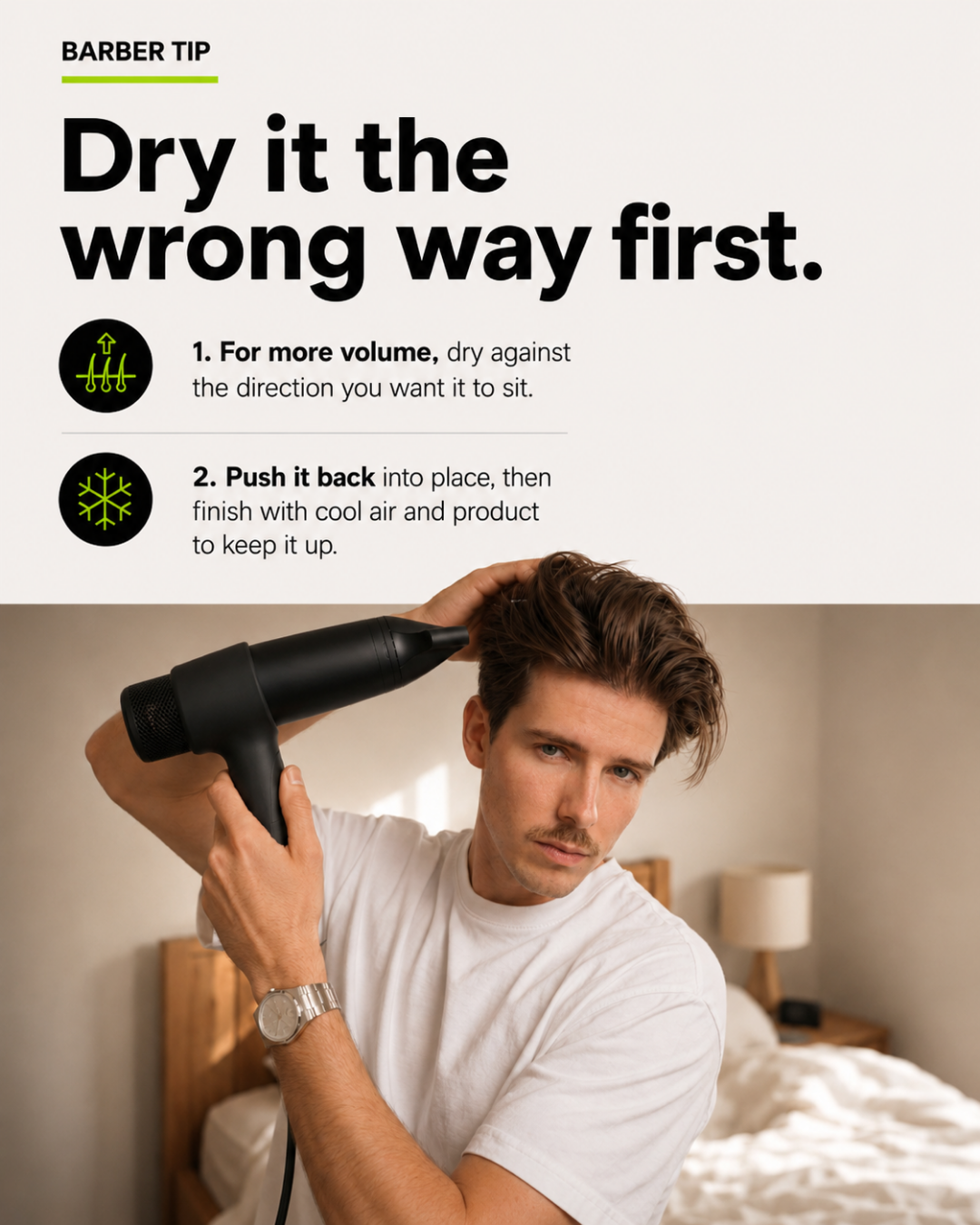
Drying is where you can win big. The difference between “my hair never looks right” and “it always looks put together” is often drying technique.
Towel method: Instead of aggressive rubbing, gently squeeze water out. A microfiber towel or soft cloth helps reduce friction.
Heat control: Use the right heat setting for your hair type. If you can dry faster with less intense heat, that’s usually better for long-term softness.
Comb and brush choices: Wide-tooth combs are great for detangling damp, especially for wavy or curly hair. For straight hair, choose tools that don’t tug.
Styling product placement: Apply product from roots to ends only if it matches your hair needs. Otherwise, focus on where you want shape—often mid-length to ends.
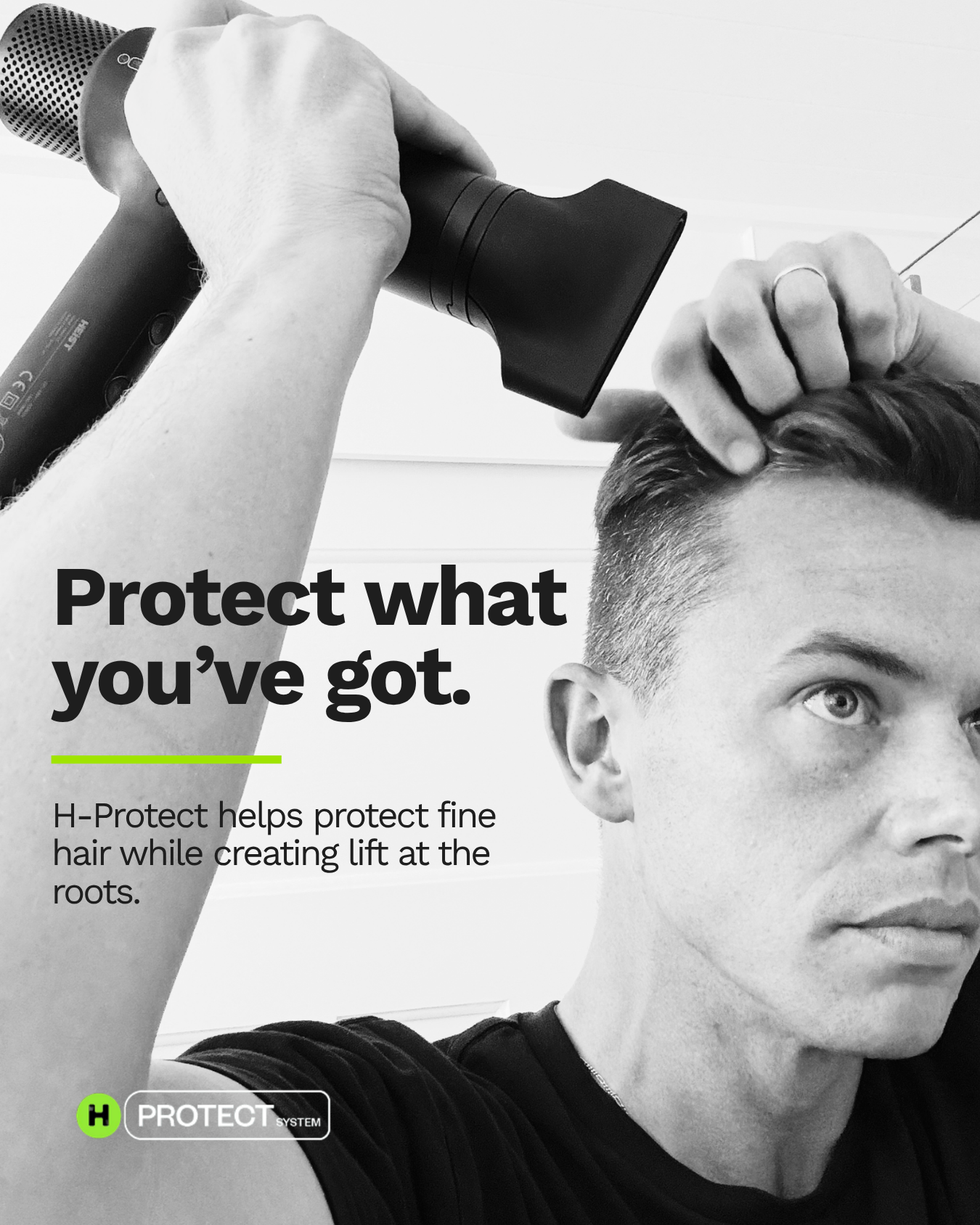
For drying and smoothness, people often ask about airflow and heat settings. If that’s you, you can compare dryer styles such as the Dyson Supersonic hair dryer options to see what features align with your hair goals.

Gentle drying motion lines and heat setting dial visuals
Tools That Make a Difference
Tools won’t fix a routine alone, but they can make your routine easier and more consistent.
Hair dryer basics
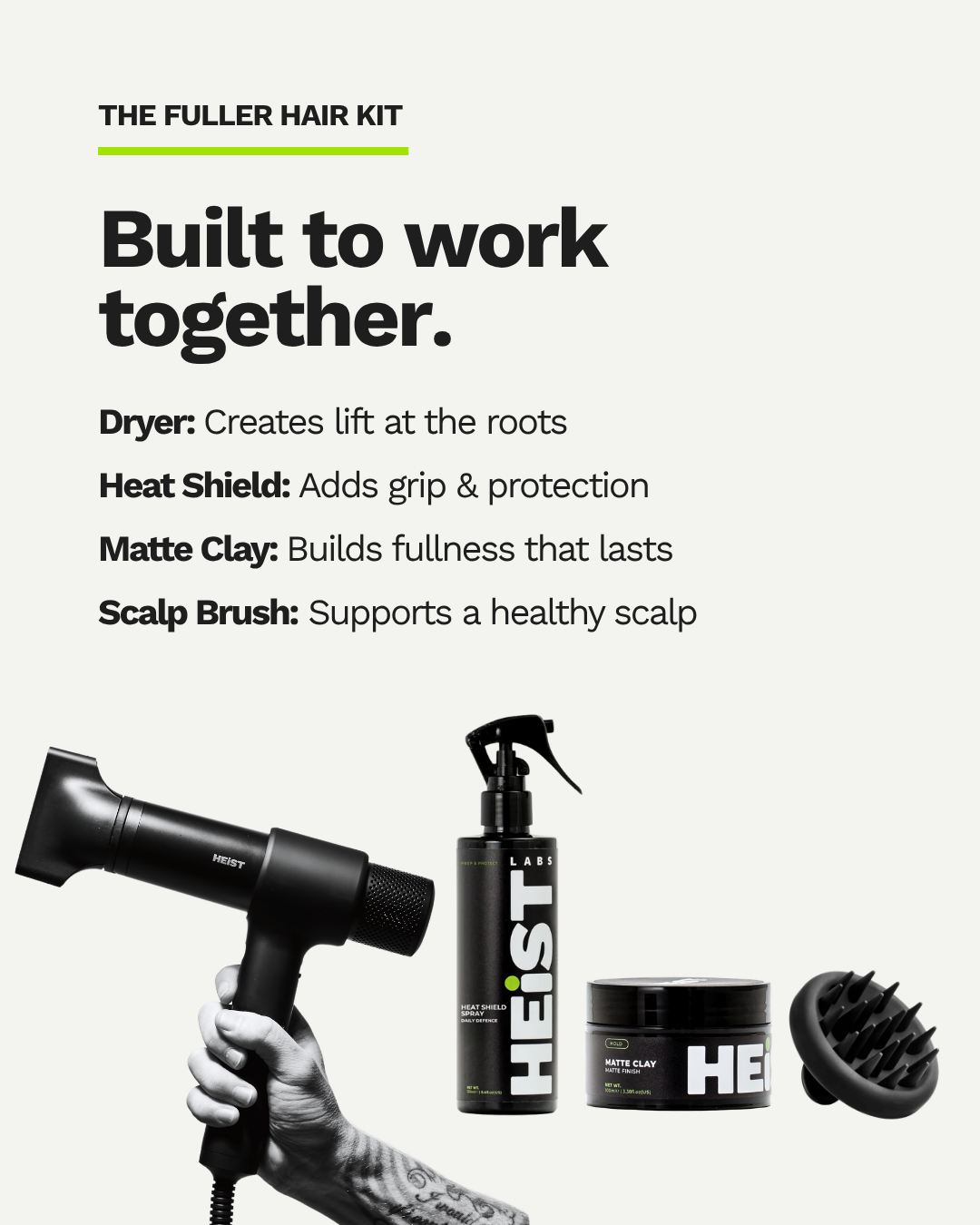
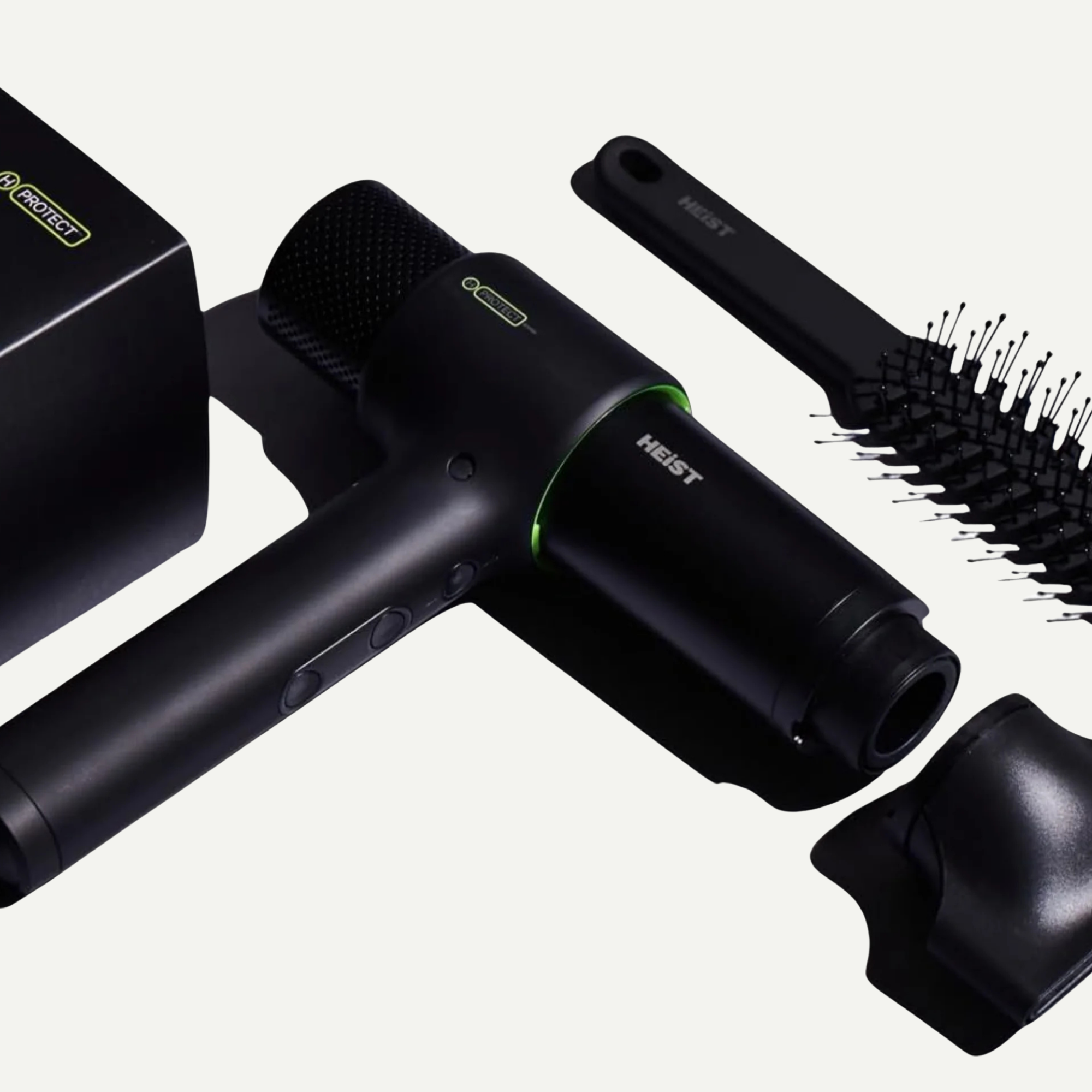
A good dryer helps you control drying time and reduces frizz. Look for features like adjustable heat and airflow, plus attachments that help you style different hair lengths.
If you want a reference point, you can browse specific models on reputable pages like the Dyson hair dryer collection and pick what feels right for your routine.
Comb, brush, and clips
Simple tools can help you style with less tugging. Clips keep sections in place while you dry. Comb types that match your hair texture reduce breakage and help you get a neater finish.
Common Mistakes to Avoid
Here are a few patterns that mess up hair care for men, even when people are trying their best.
- Over-shampooing the ends: Ends dry out faster when you scrub too much.
- Skipping conditioner: It can lead to roughness and tangles.
- Rubbing hair aggressively with a towel: That friction increases frizz.
- Using too much product: Heavy product can look greasy and feel stiff.
- Applying product on soaking wet hair: Some products work best when hair is damp, others on drier hair. Start with the label and your own results.
If you fix just one mistake this week, focus on gentle drying and consistent conditioning. Those two changes alone often make hair look more polished.
Troubleshooting by Concern
Let’s match common problems with practical solutions. You don’t need to guess forever—try a small change and observe for a couple of washes.
My hair feels dry after washing
Reduce shampoo time on the ends and condition more consistently. If you’re using heat often, lower heat intensity and dry with a gentler touch.
My scalp gets flaky or itchy
Consider whether you’re over-cleansing or not rinsing thoroughly enough. Try a gentler shampoo and give your routine time to settle. If flakes persist, consult a professional for tailored guidance.
My hair looks flat or lifeless
Check how much conditioner you’re using. For straight or fine hair, apply conditioner sparingly and focus on the ends. Also, use lighter styling products and apply them where you need lift.
My hair frizzes fast
Dry gently, avoid rough towel friction, and use a heat setting that dries efficiently without blasting. Consider adding conditioner consistently for smoother texture.
I can’t get the style to hold
Start with a hair-friendly base: hair that’s clean and not overloaded with heavy product. Use a styling product that fits your finish goal (matte texture, natural hold, or more shine). Apply evenly, then adjust with a small amount at a time.
Ready to Upgrade Your Routine?
If you want hair that looks better with less effort, start with a simple plan you can repeat: cleanse your scalp, condition your hair, dry gently, and style with intent. Then tweak based on what you notice. That’s the real secret—small changes, repeated consistently.
If you’re exploring tools that help with drying and styling control, you can also look into dryer options from trusted retailers and brands. For example, you can review heistof.london hair styling favorites to find what matches your routine.
Next step: Pick one area to improve this week—either washing technique, conditioning, scalp care, or drying method. Do it for a few washes and let your hair “give feedback.” You’ll be surprised how quickly your hair responds.
Disclaimer: This article is for general educational purposes and does not provide medical advice. Hair and scalp needs vary by person. If you have persistent irritation, discomfort, or worsening symptoms, consider seeking professional guidance.
FAQ
How often is best for hair care for men?
It depends on your scalp and your lifestyle. Many guys do well washing every few days, but if your scalp gets oily quickly or you use styling products often, you may need more frequent cleansing. If your hair feels dry or your scalp feels tight, you may benefit from spacing washes out and focusing on conditioning.
Should I condition if my hair is short?
Yes, usually. Conditioner helps reduce roughness, supports smoother combing, and can lower breakage from friction. For short hair, apply conditioner mainly to the lengths and ends, and avoid heavy amounts on an oily scalp.
What’s the biggest mistake to fix first?
Gentle drying and consistent conditioning are great starting points. If you rub hard with a towel or skip conditioner, you often end up with frizz, tangles, and a less polished finish—even if your products are decent.

Sarah Courtney writes expert hair content for Heist’s blog and guides. She focuses on practical styling advice and product insights that help you nail everyday looks with salon-level results. Her work blends technical knowledge of hair tools with clear step-by-step tips you can apply at home. You can see her byline on posts like Choosing a Salon Quality Dryer for Everyday Home Styling.





Share:
Styling Tips for Men’s Hair: Build a Clean, Modern Look
Unique Features in Men’s Hair Dryers for Better Results