



Updated on: 2026-06-15
Summary
- Great styling tips for men's hair start with understanding your hair type and your daily routine.
- You can upgrade your look with simple changes like the right towel, smarter parting, and light, buildable product use.
- This guide breaks down pros and cons, plus a practical checklist you can follow at home.
- You’ll also find quick answers to common questions so you can avoid trial-and-error.
Table of Contents
If you’ve ever stood in front of the mirror thinking, “Why does my hair look good in the morning but not by lunch?” you’re not alone. The good news is that styling tips for men's hair don’t have to be complicated or time-consuming. A few small habits—like how you dry your hair, how you apply product, and how you choose your finish—can make your style look cleaner, more natural, and more consistent.
Think of styling like cooking: you don’t need fancy techniques at first. You need a reliable method, the right tools, and just enough product. Whether you wear your hair short, medium, curly, or straight, this guide will help you dial in a look you can repeat with confidence.
Did You Know?
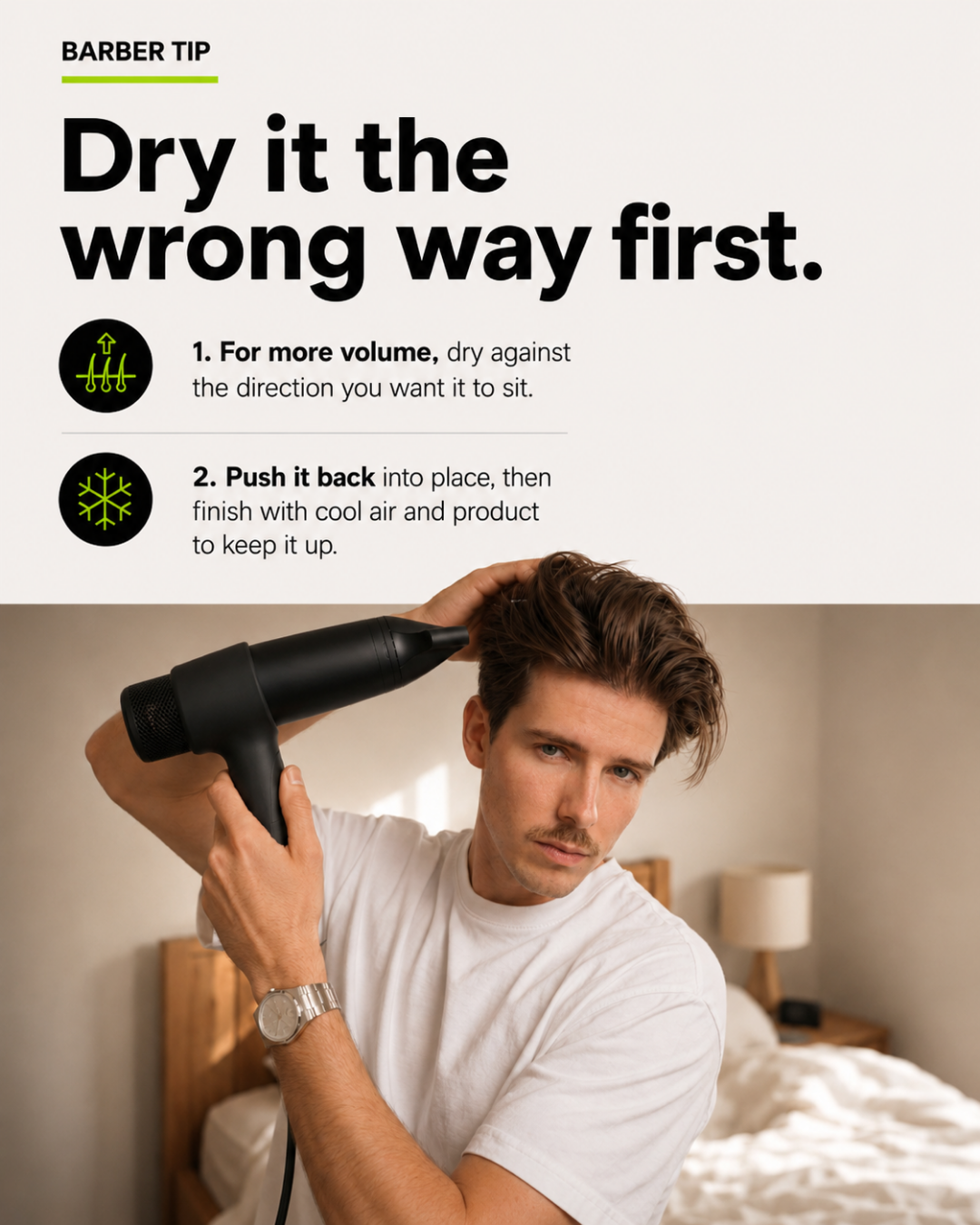
- How you dry your hair can change the final shape more than the product you use.
- Most people apply too much styling product, which can make hair look heavy or flaky later.
- The right hair part (or even changing it slightly) can instantly improve volume and framing.
- Finishes matter: matte tends to look casual and natural, while shine can highlight texture (for better or worse).
- Your haircut shape sets the ceiling for styling, so a small trim can unlock a whole new look.
Here’s a simple mindset shift: instead of trying to “fix” your hair, work with its natural behavior. For example, if your hair dries into soft waves, embrace that shape. If it gets flat quickly, focus on lift at the roots. You’ll get results faster when you’re steering, not fighting.

Hair drying flow: towel, lift, and finish choices
To start strong, aim for a routine you can repeat every day. Begin with slightly damp hair, not dripping wet. Use a gentle towel technique—press or blot instead of rough rubbing. Then apply product in small amounts, warming it between your hands first. That tiny step helps you spread product evenly instead of clumps that create an uneven, “trying too hard” look.
Comparison: Pros & Cons
Different styling approaches work better for different hair types and lifestyles. Here’s a friendly comparison so you can pick what fits you. You can also mix and match, which is totally normal.
-
Lightweight leave-in + light hold
- Pros: Natural movement, less buildup, easy re-style mid-day.
- Cons: May not tame stubborn curls or heavy cowlicks.
-
Matte clay or paste
- Pros: Great for texture, a less shiny finish, strong control for most haircuts.
- Cons: Can feel dry if you use too much or apply on dry hair only.
-
Pomade with shine
- Pros: Clean, polished look; helps shape hair that needs definition.
- Cons: Can look greasy on fine hair or with over-application.
-
Heat styling (careful blow-dry)
- Pros: Faster results, better volume control, smoother styling for straight or wavy hair.
- Cons: Takes practice; too much heat or poor technique can dry hair out.
-
Air-dry with curl/texture support
- Pros: Minimal daily effort, good for curls and natural texture.
- Cons: Less control over height and exact shape.
If you’re not sure where you fit, start with one experiment at a time. For instance, change your drying method for a week before switching products again. That’s the easiest way to see what really makes the biggest difference.

Three finishes: matte texture, soft volume, controlled shape
Buyer’s Checklist
When you’re shopping, it’s easy to get distracted by labels like “strong hold” or “extra volume.” Instead, use this checklist to choose tools that support your specific hair goals. This is also a great way to avoid buying ten things you’ll never finish.
- Know your hair type: short or long, straight, wavy, curly, or coily. Your hair type decides what kind of hold and finish will look best.
- Choose a finish you actually want: matte for natural texture, shine for polish, and “low shine” for everyday balance.
- Pick hold level based on your day: if you hate re-styling, choose stronger control. If you like flexibility, go lighter.
- Look for buildable product: you should be able to add more without turning hair into a heavy helmet.
- Check application style: creams and lotions work well for shaping; clays and pastes work well for texture; gels are helpful for defined curls.
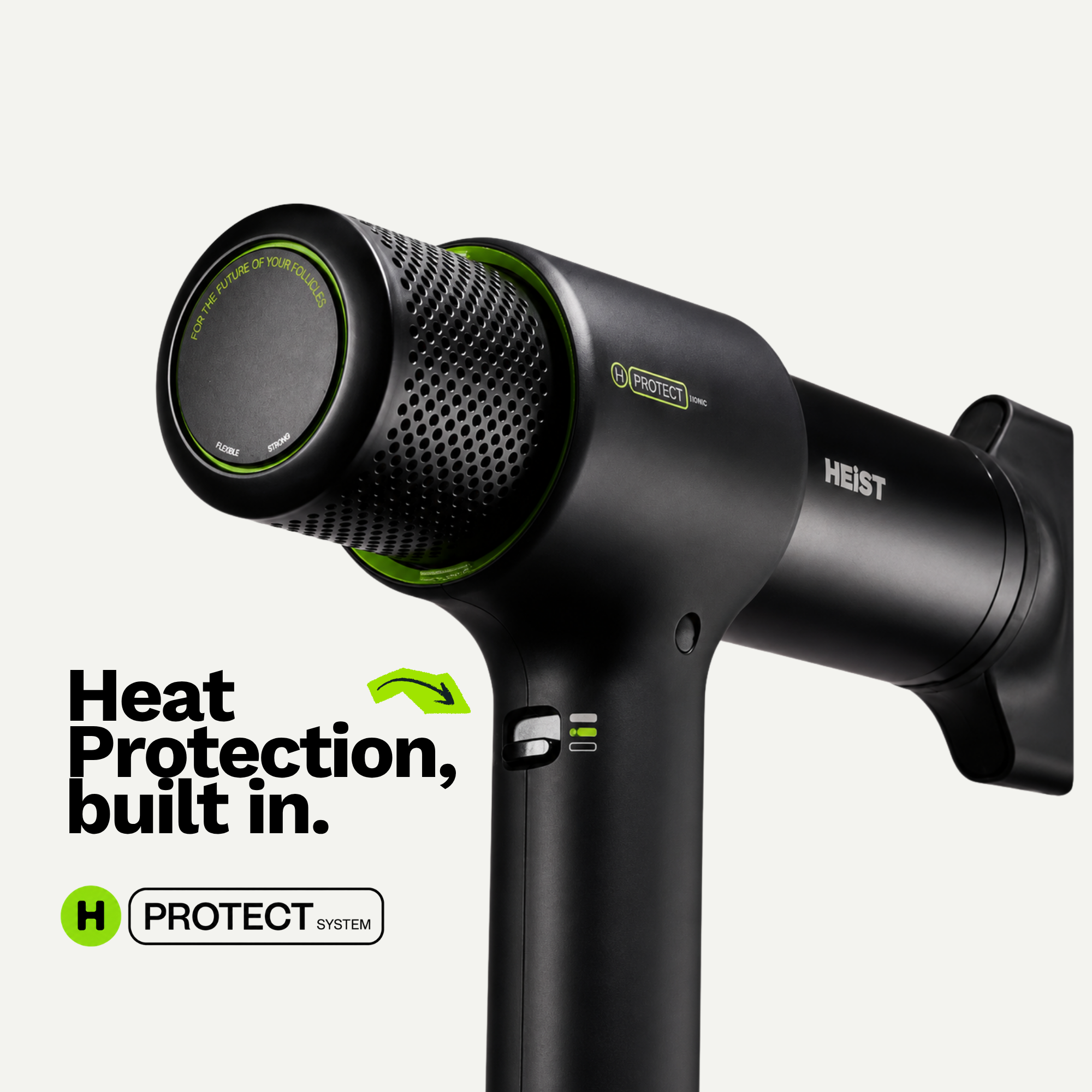
- Drying matters: if you style with a blow-dryer, prioritize comfortable heat settings and airflow control.
- Don’t ignore prep: a gentle wash routine, conditioner if needed, and a good towel habit can improve everything.
- Watch for buildup: if your hair feels stiff or dull over time, you may need less product or a stronger cleansing routine.
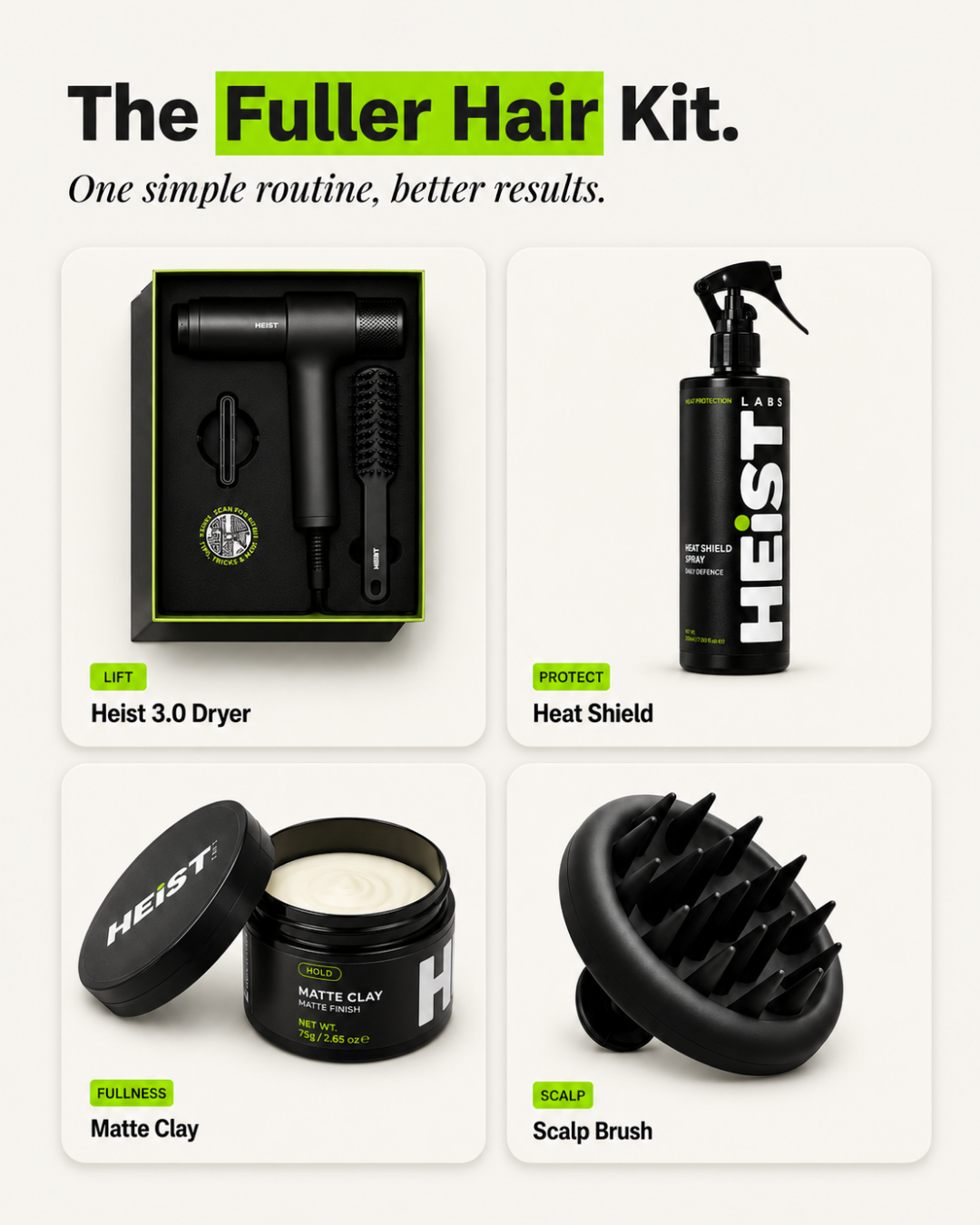
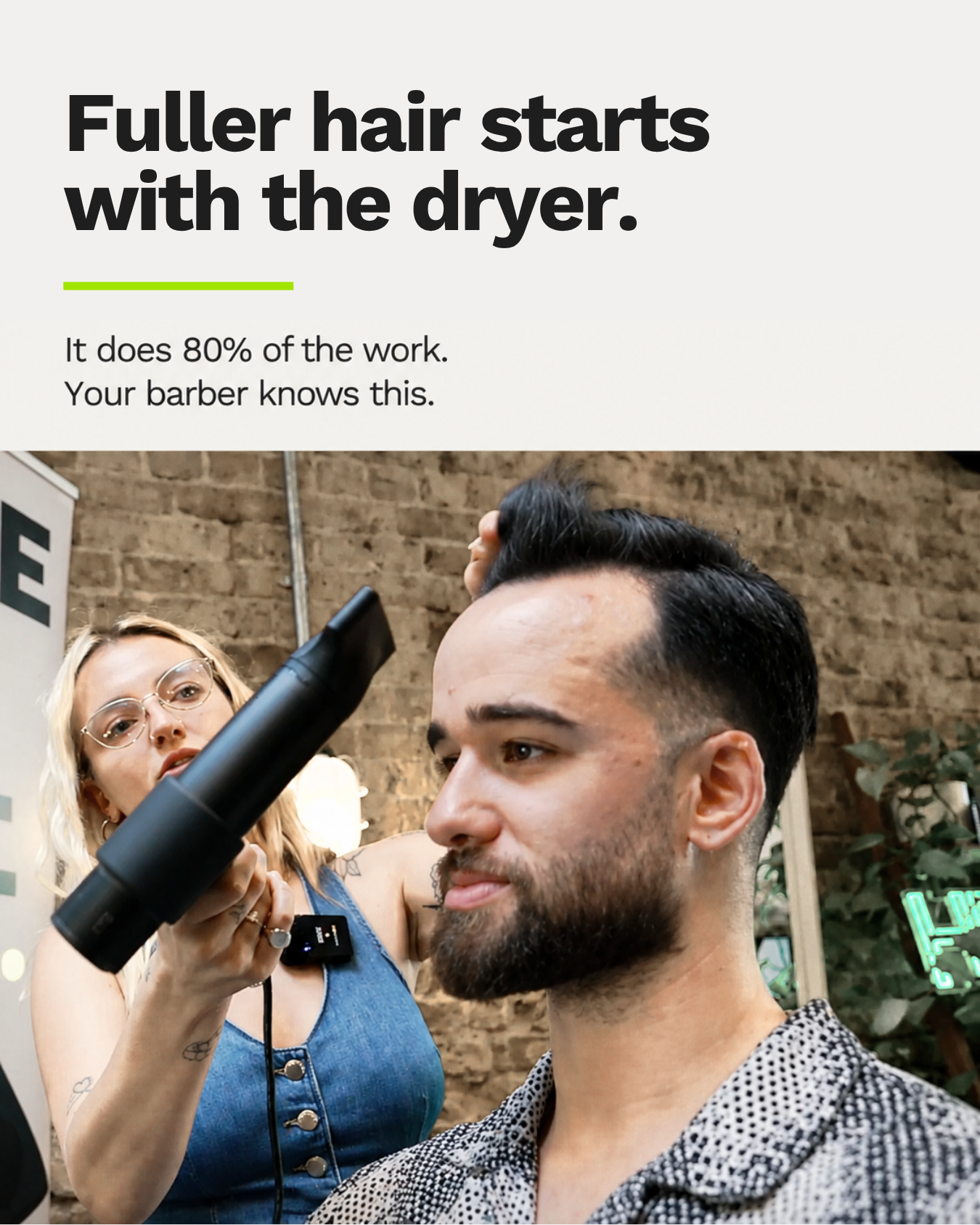
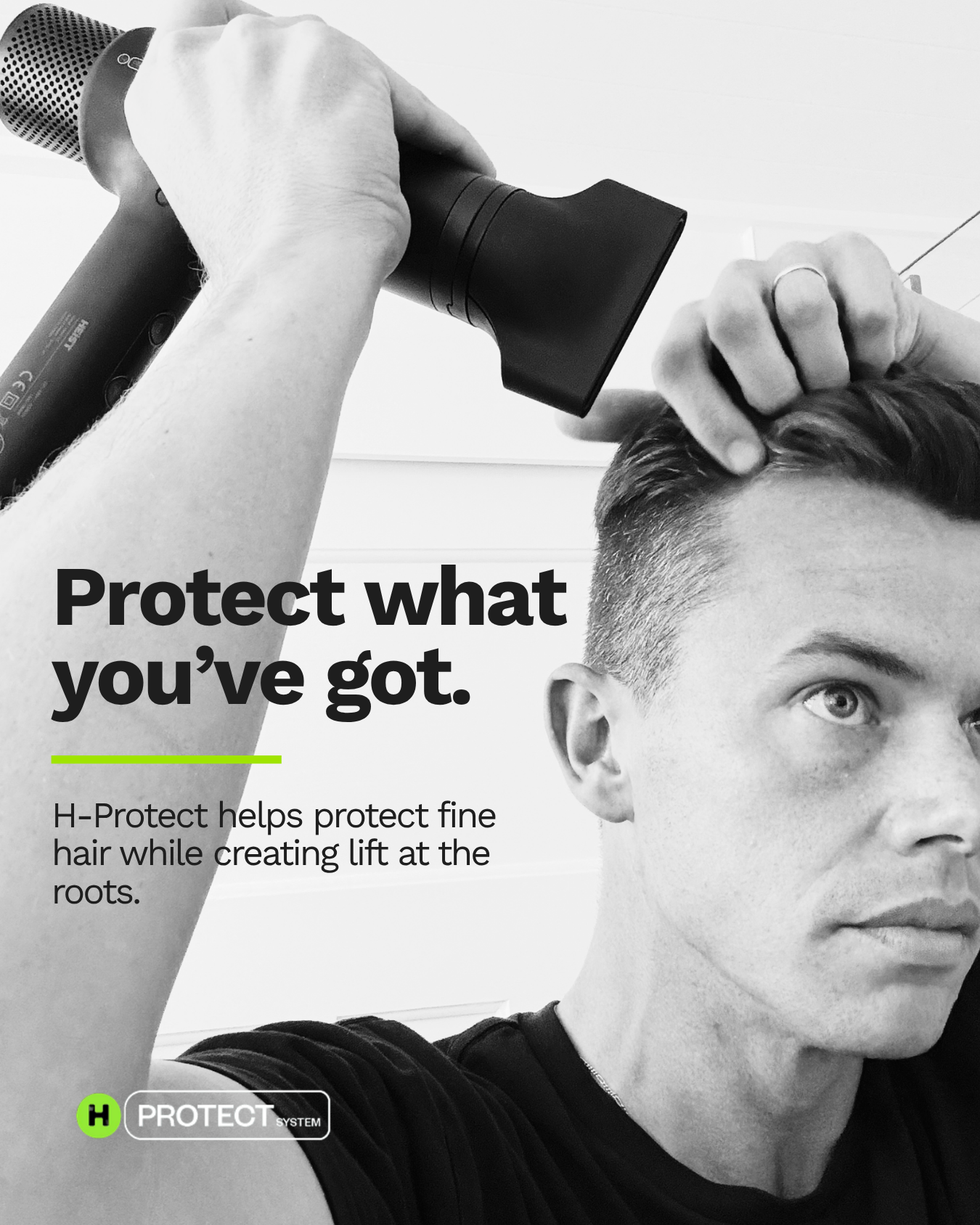
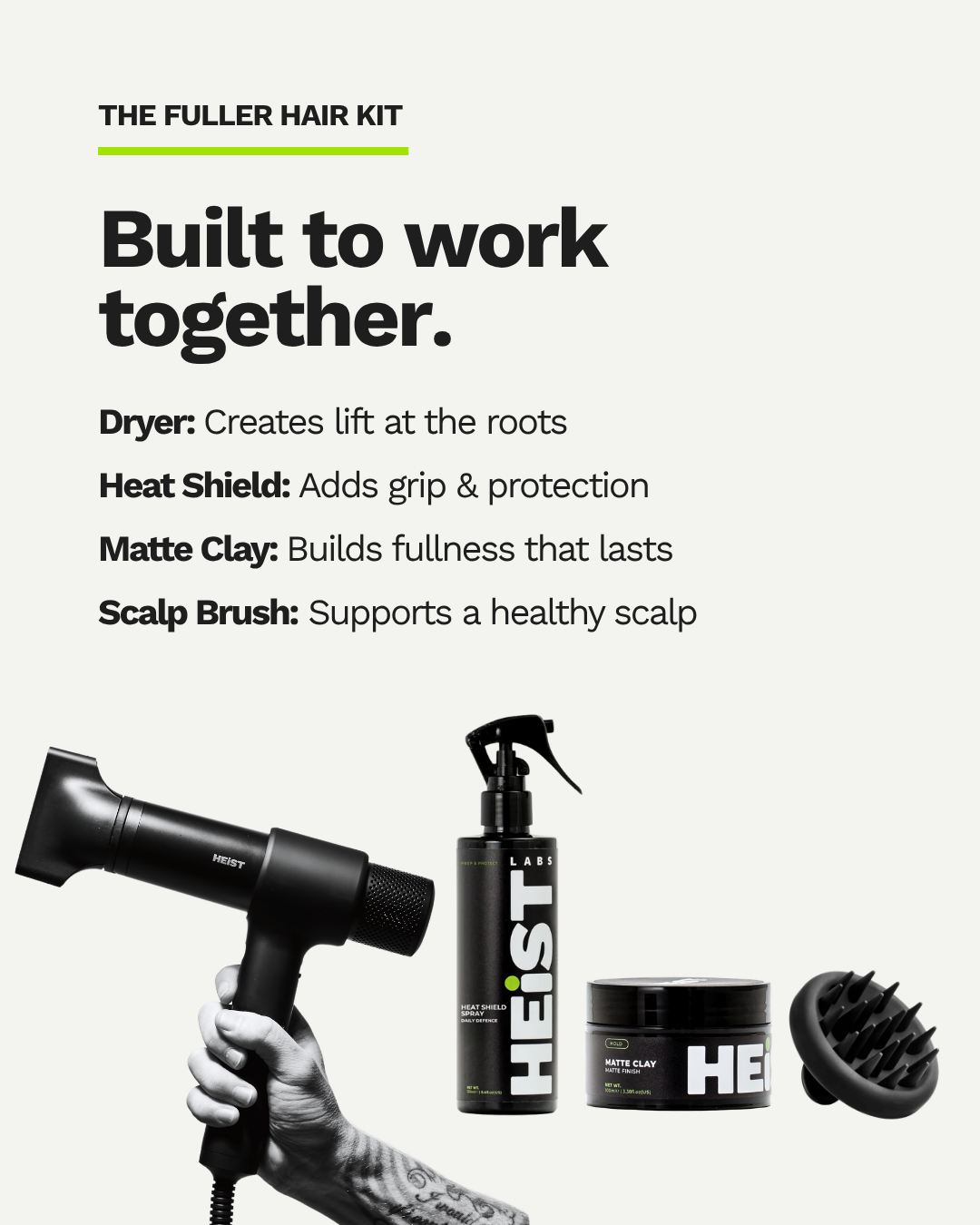
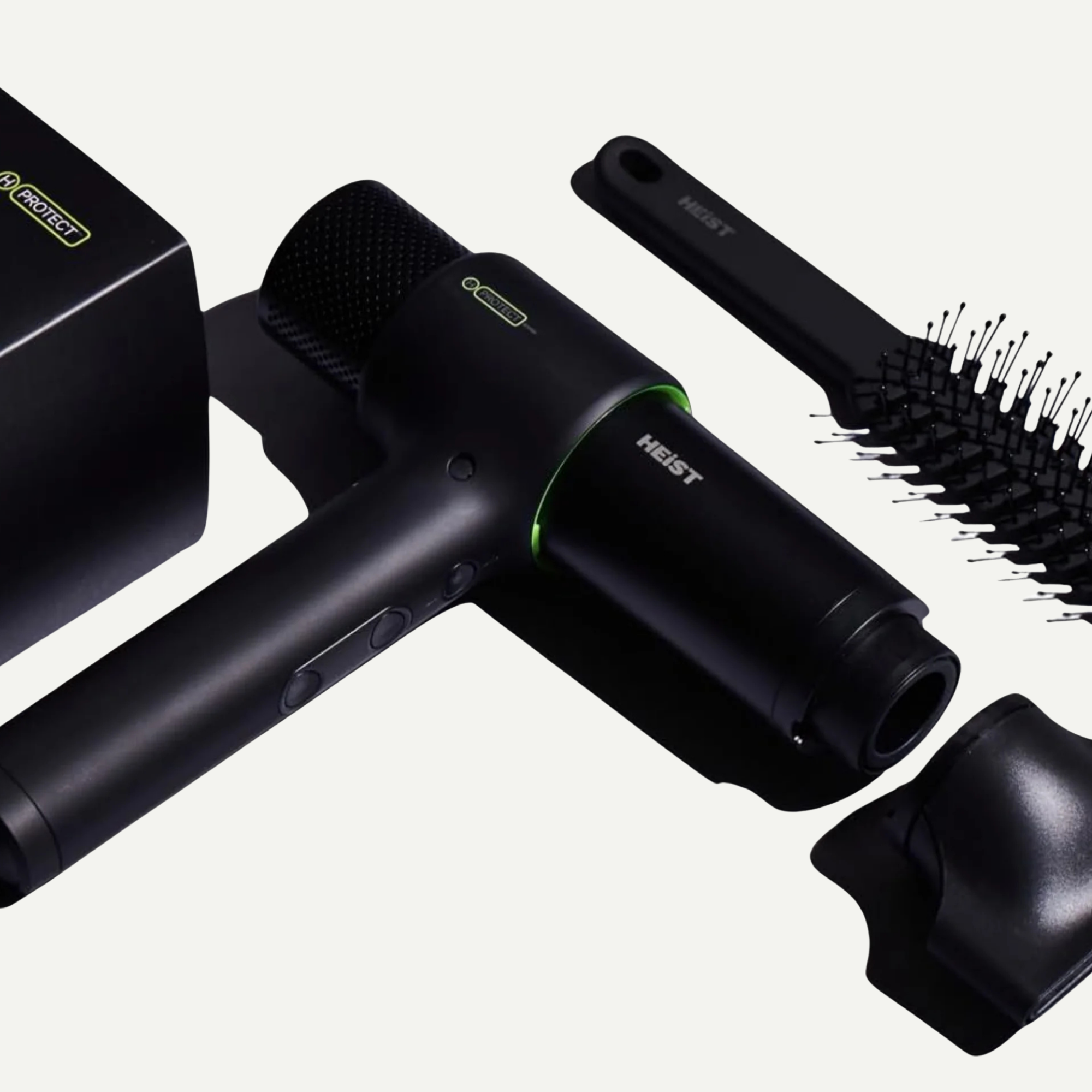
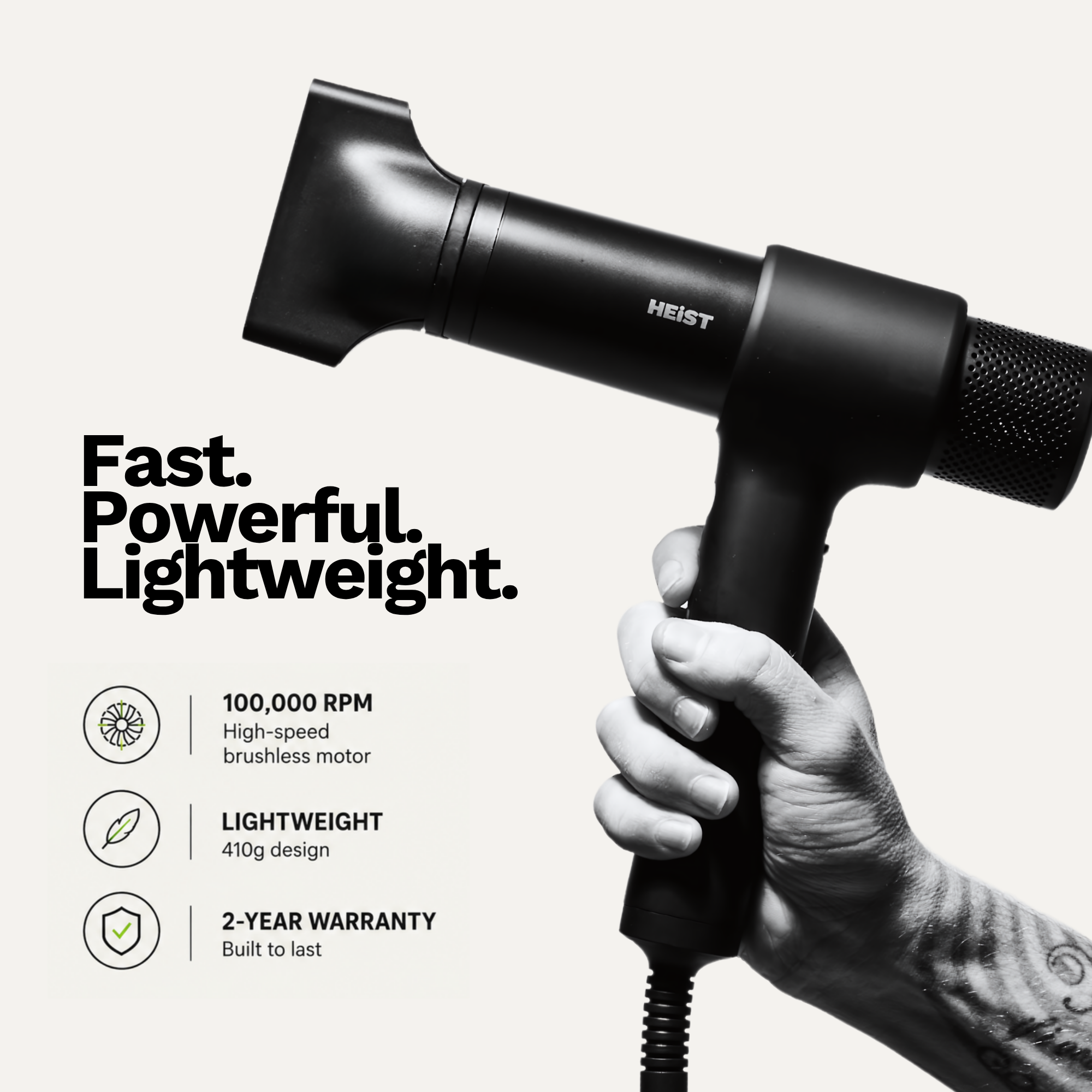
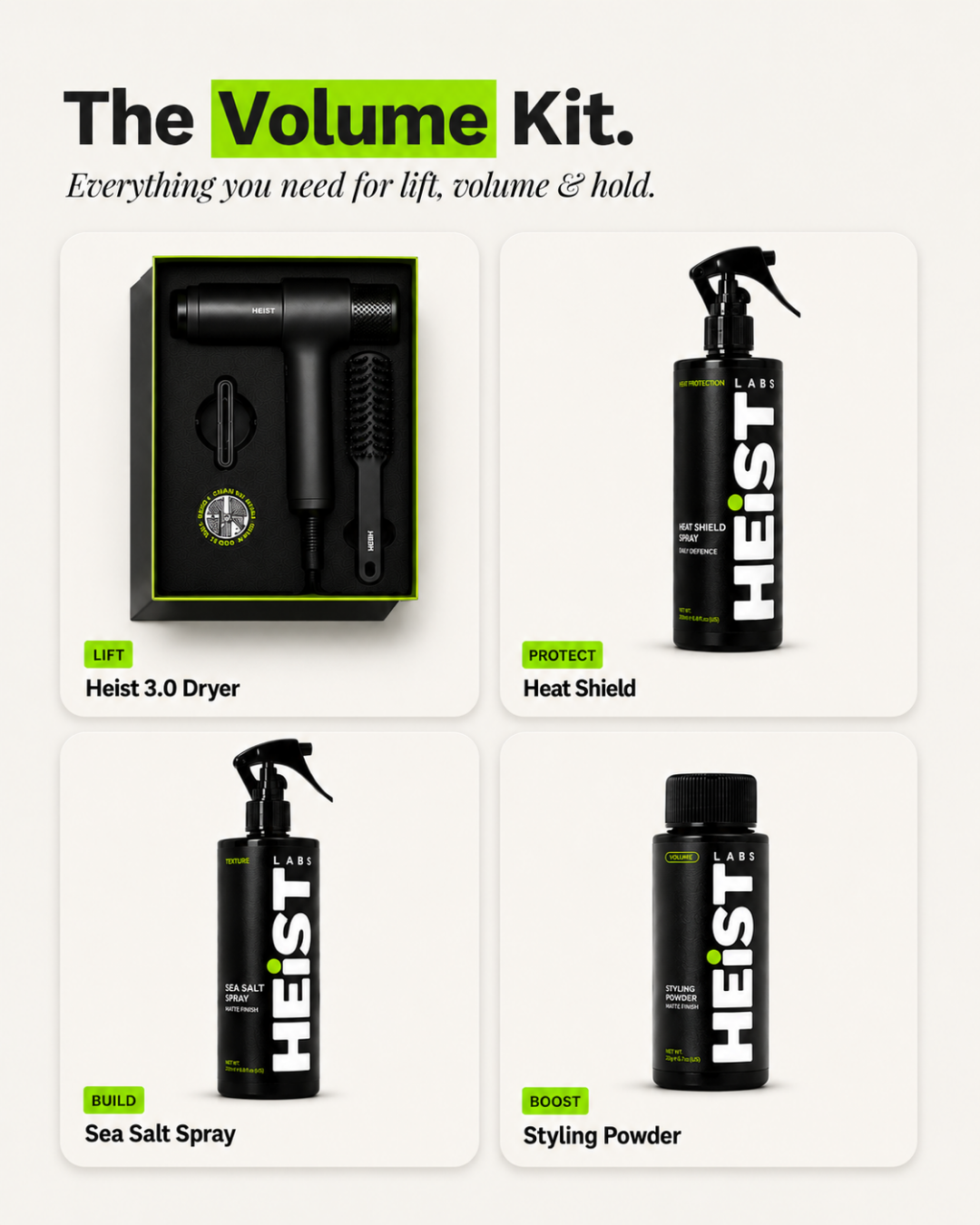
If you’re thinking about upgrading your drying routine, a high-quality hair dryer can make styling easier—especially when you’re trying to add root lift or smooth waves. For inspiration, you can explore dryer options at Heist of London. If you’re curious about specific dryer features like heat control and targeted airflow, you can also reference Dyson’s hair dryer pages such as Dyson hair dryers for general guidance.
And if your hair is more on the straight or wavy side, it can help to focus on smoothing and direction. For curly or coily hair, you’ll often get better results with gentle sectioning and consistent styling technique. In that case, check out dryer options like curly and coily dryer styles for ideas on airflow and attachments.
To keep things practical, here’s a quick “morning flow” you can copy:
- Shampoo and condition as needed, then blot hair dry.
- Apply a small amount of product to damp hair (start small).
- Shape your part and lift the roots with your fingers.
- Finish with a final light touch at the surface so it looks intentional, not sticky.
- If needed, do a quick re-shape after a few minutes once hair sets.
Remember: you’re aiming for a look that looks like you woke up this way. That means controlled texture, clean edges around your haircut, and a finish that matches your vibe.
Final Thoughts & Advice
Here’s the honest truth: the best styling tips for men's hair are the ones you’ll actually use. If a routine takes too long, you won’t stick with it. Start with one haircut-friendly technique, one product category, and one finish goal. Once that’s locked in, you can layer on extra details like micro-parting, targeted root lift, or reshaping with water and a tiny amount of product.
If you want a quick way to judge whether your approach is working, use the “two-look test.” First, check your hair in natural light. Second, check it after you move around for a bit. If it starts to separate, frizz, or go flat too quickly, you likely need a slightly stronger hold, a different application amount, or better drying prep.
Before you buy anything else, also consider browsing more general grooming inspiration at Heist of London. It’s a great reminder that styling isn’t only about product—it’s also about how you wear your haircut, your routine, and your confidence.
And if you’re interested in styling tools beyond hair dryers, Dyson also shares general tips and accessory ideas on accessories and tools. Use those pages as a learning resource to understand what different attachments are designed to do, then pair that knowledge with your hair type.
Finally, don’t feel bad about experimenting. Most of us try a new product, overdo it once, and then learn from it. That’s part of the process. With consistent habits, you’ll find your go-to routine and it’ll start feeling effortless.
Q&A
What’s the easiest way to make men’s hair look thicker?
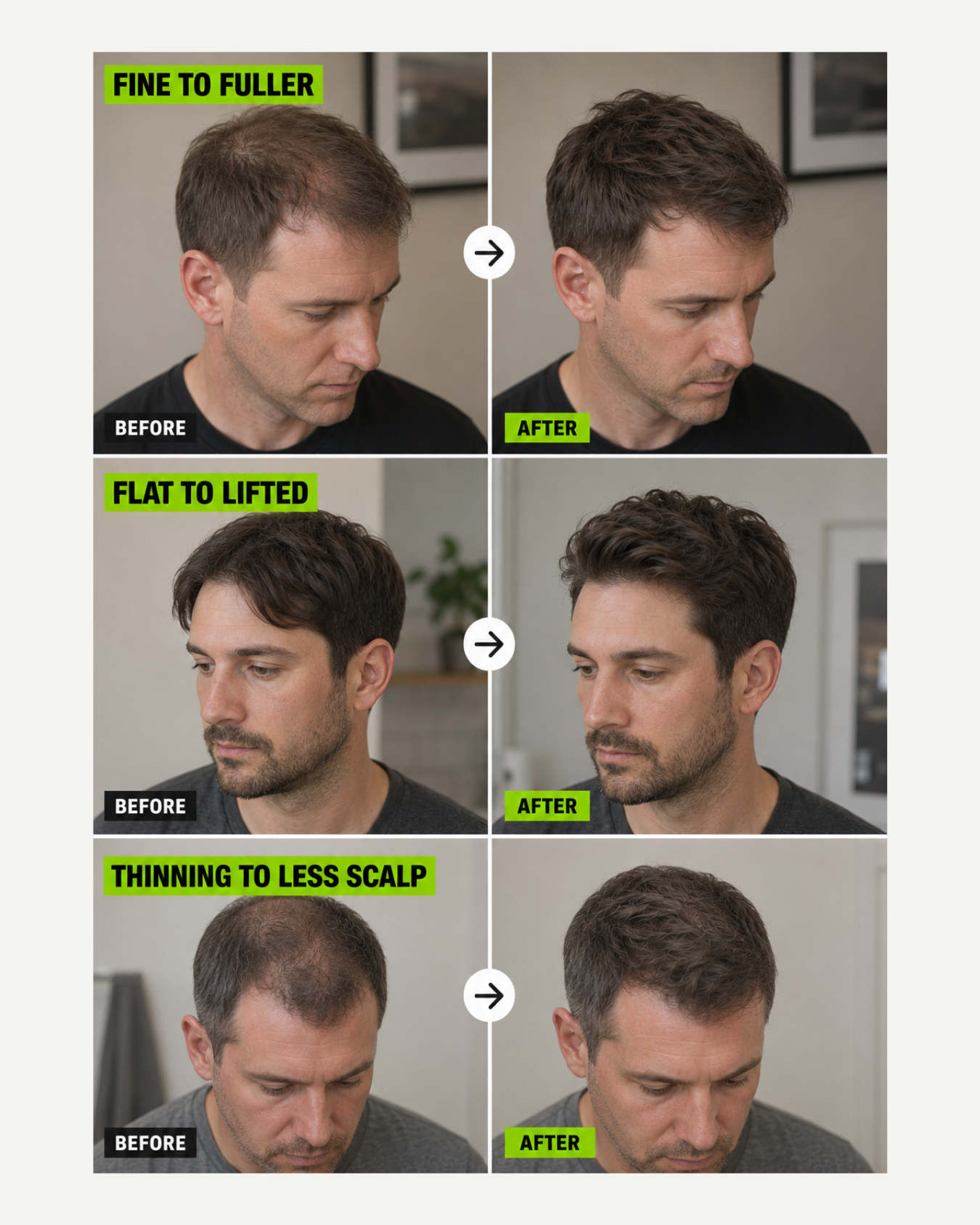
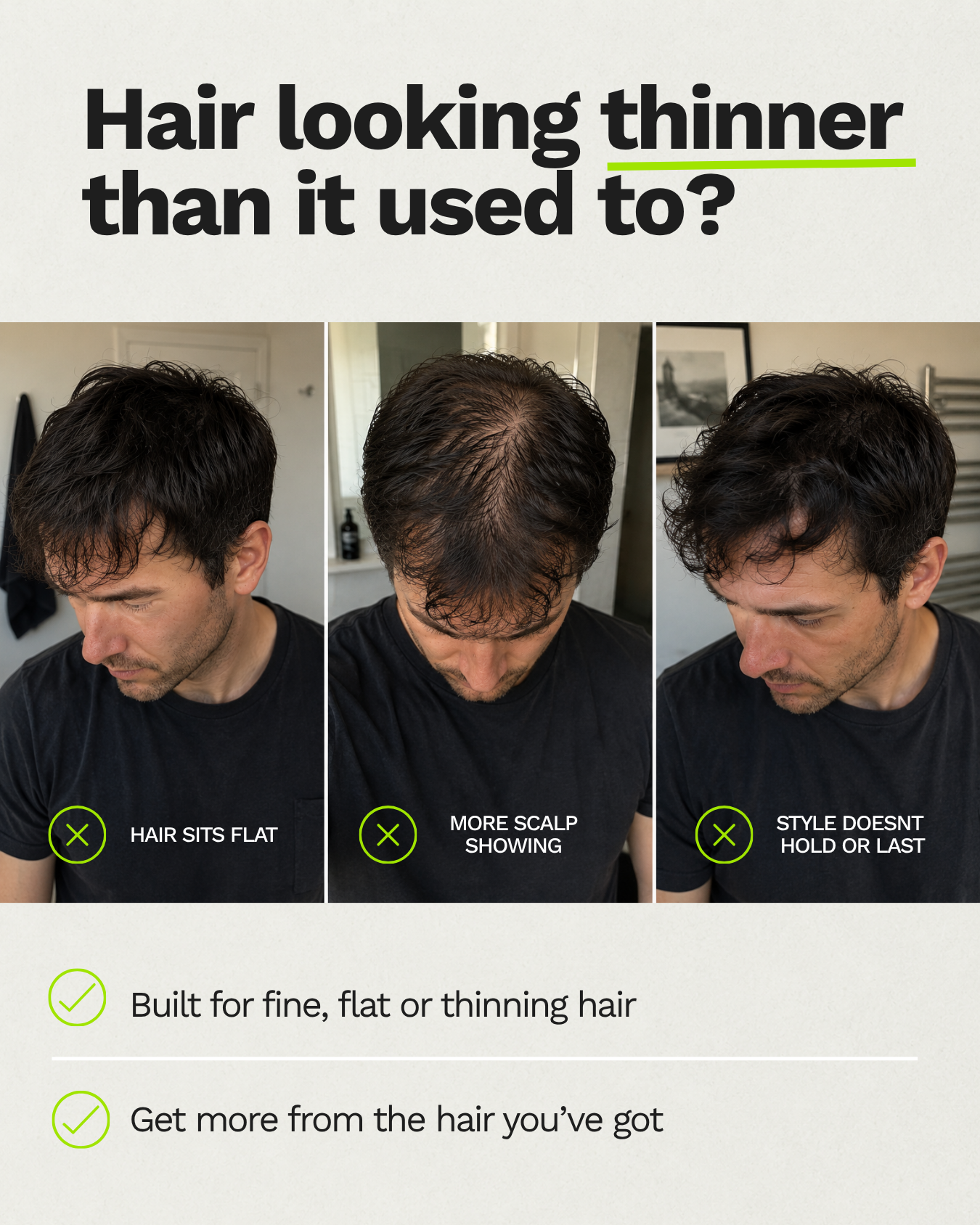
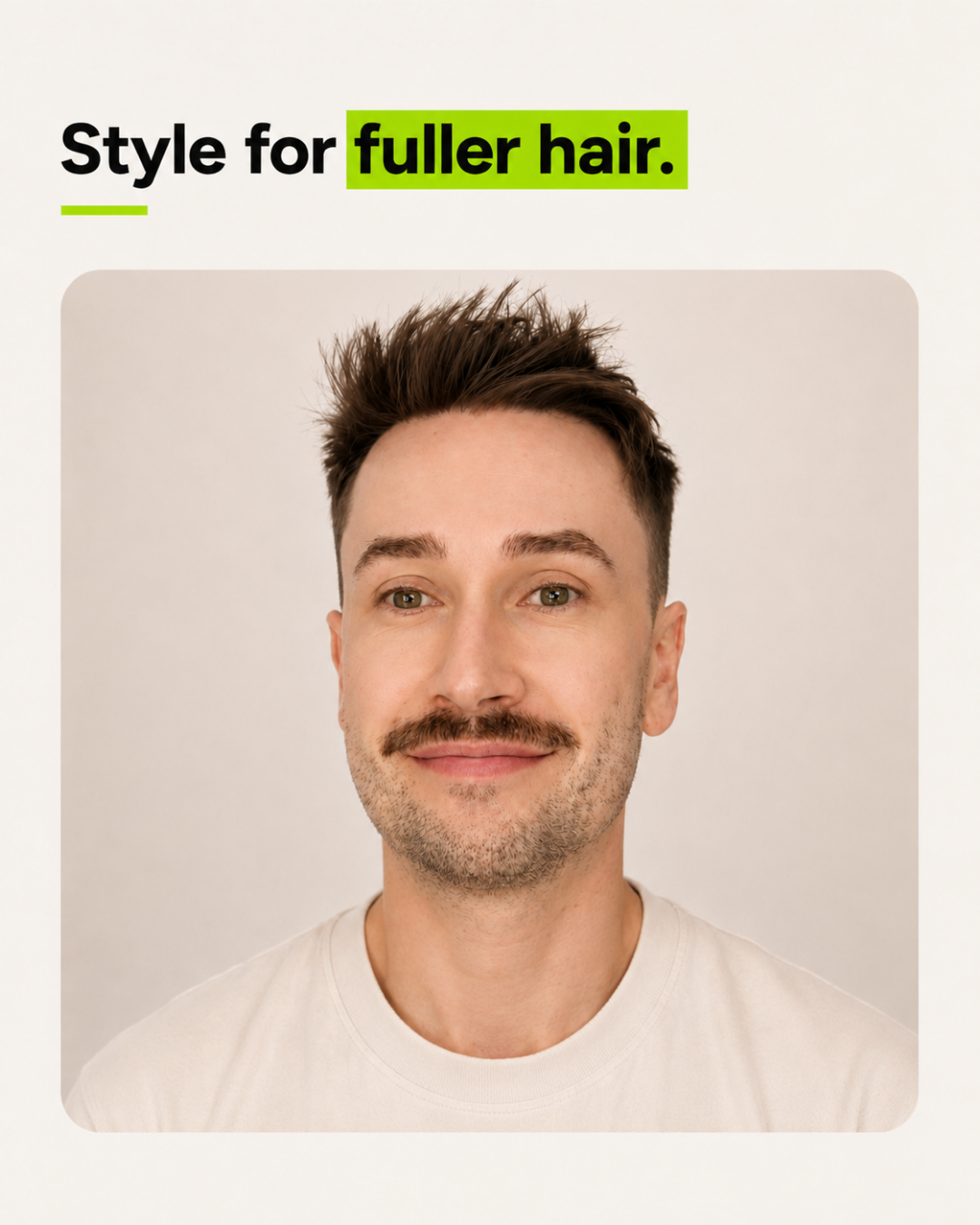
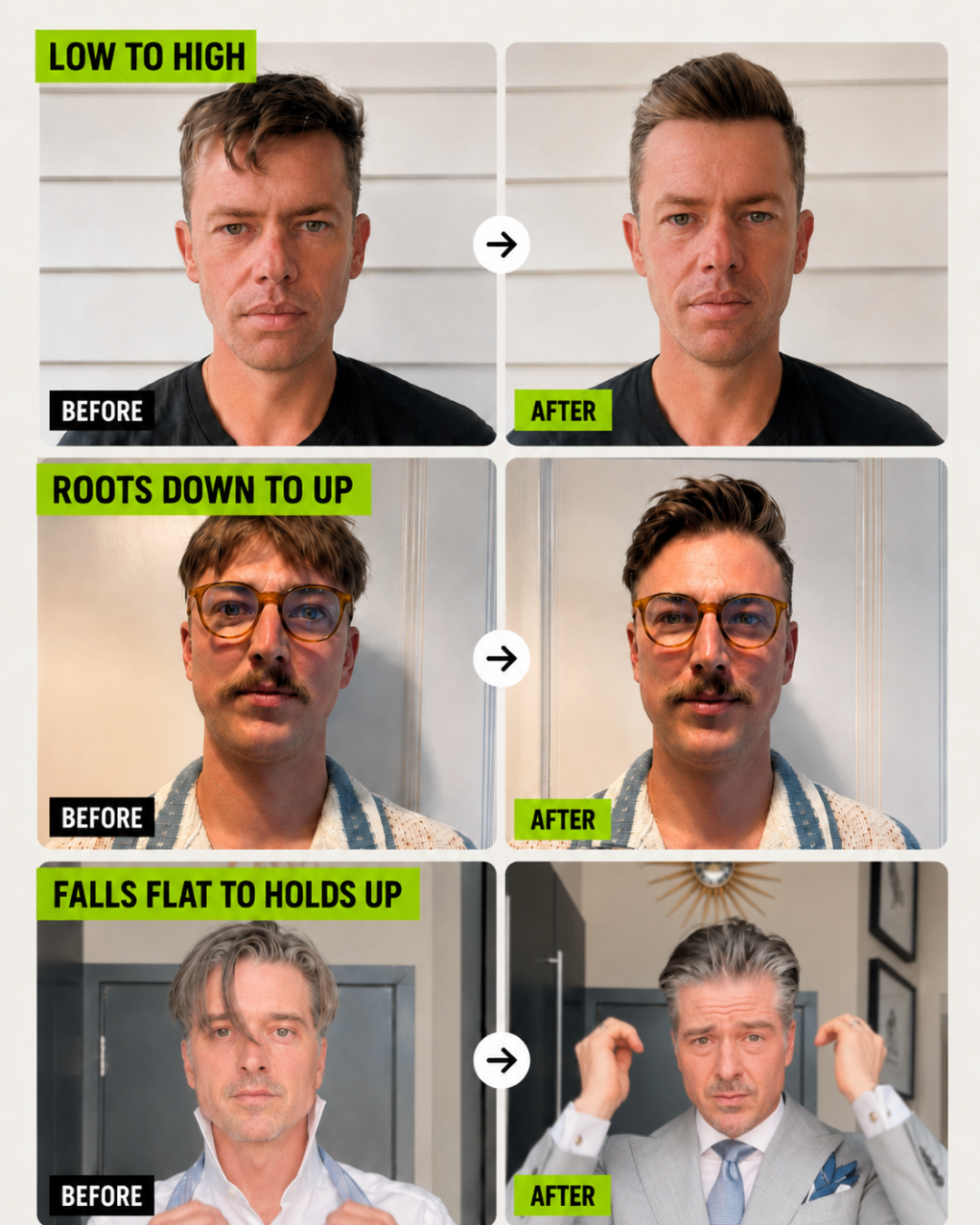
Start with volume at the roots. Apply a small amount of lightweight product to damp hair, lift with your fingers as it dries, and avoid overloading the top with heavy paste or pomade. Also, consider asking your barber for a haircut that adds shape near the crown—tiny changes there can make a big difference.
Should I style men’s hair on wet or dry hair?
For most looks, you’ll get better control starting with damp hair rather than soaking wet. Damp hair helps product spread evenly and lets you shape it while hair sets. If you’re using a clay or paste, you can also apply to dry hair for texture, but keep the amount small.
How do I prevent frizz and flyaways without making hair feel greasy?
Use less product than you think you need, and focus on the surface layer only. If your hair frizzes easily, a gentle blow-dry technique can help smooth the outer layer. You can also try a light leave-in or smoothing cream, then finish with a quick hand reshape so it looks natural.
How often should I wash if I style daily?
It depends on your hair and scalp. If your hair gets oily fast, you may need more frequent washing. If it feels dry or you get buildup, you may need a cleaner routine or a gentler product. A good rule of thumb is to wash based on how your scalp feels, not just because it’s “hair day.”
Disclaimer: This article is for general educational purposes and offers lifestyle and grooming guidance only. Results vary by hair type, haircut, and individual routine. Always patch-test new products when appropriate and follow the instructions provided by the manufacturer.

Sarah Courtney writes expert hair content for Heist’s blog and guides. She focuses on practical styling advice and product insights that help you nail everyday looks with salon-level results. Her work blends technical knowledge of hair tools with clear step-by-step tips you can apply at home. You can see her byline on posts like Choosing a Salon Quality Dryer for Everyday Home Styling.





Share:
Drying Techniques for Men: Faster, Neater Results
Hair Care for Men: Simple Routine for Healthier Hair