


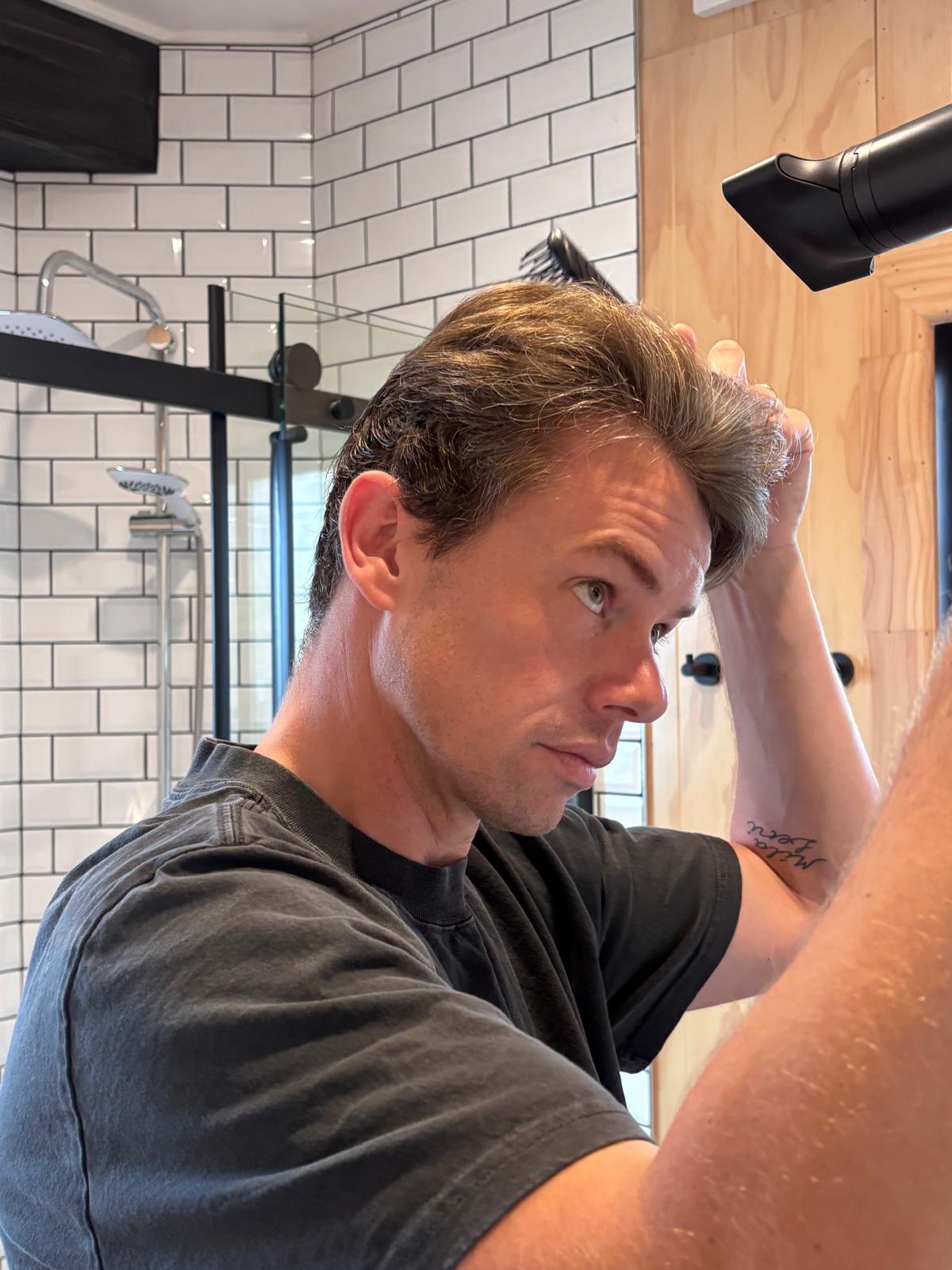
If you want drying to feel easier and look better, drying techniques for men start with understanding your hair type and your routine. The best approach is usually gentle towel habits, correct airflow direction, and choosing the right heat level. You’ll also get better results by separating “set the style” steps from “finish and protect” steps. This guide walks you through common mistakes, practical tips, and a simple method you can reuse daily.
Updated on: 2026-06-08
Table of Contents
Drying Techniques for Men: Why It Makes Such a Difference
Let’s be honest: most people don’t think much about drying until their hair feels frizzy, takes forever, or won’t hold the look they want. But drying is one of the biggest “invisible” steps in your hair routine. It affects how smooth your hair feels, how the style sets, and even how healthy your hair looks over time.
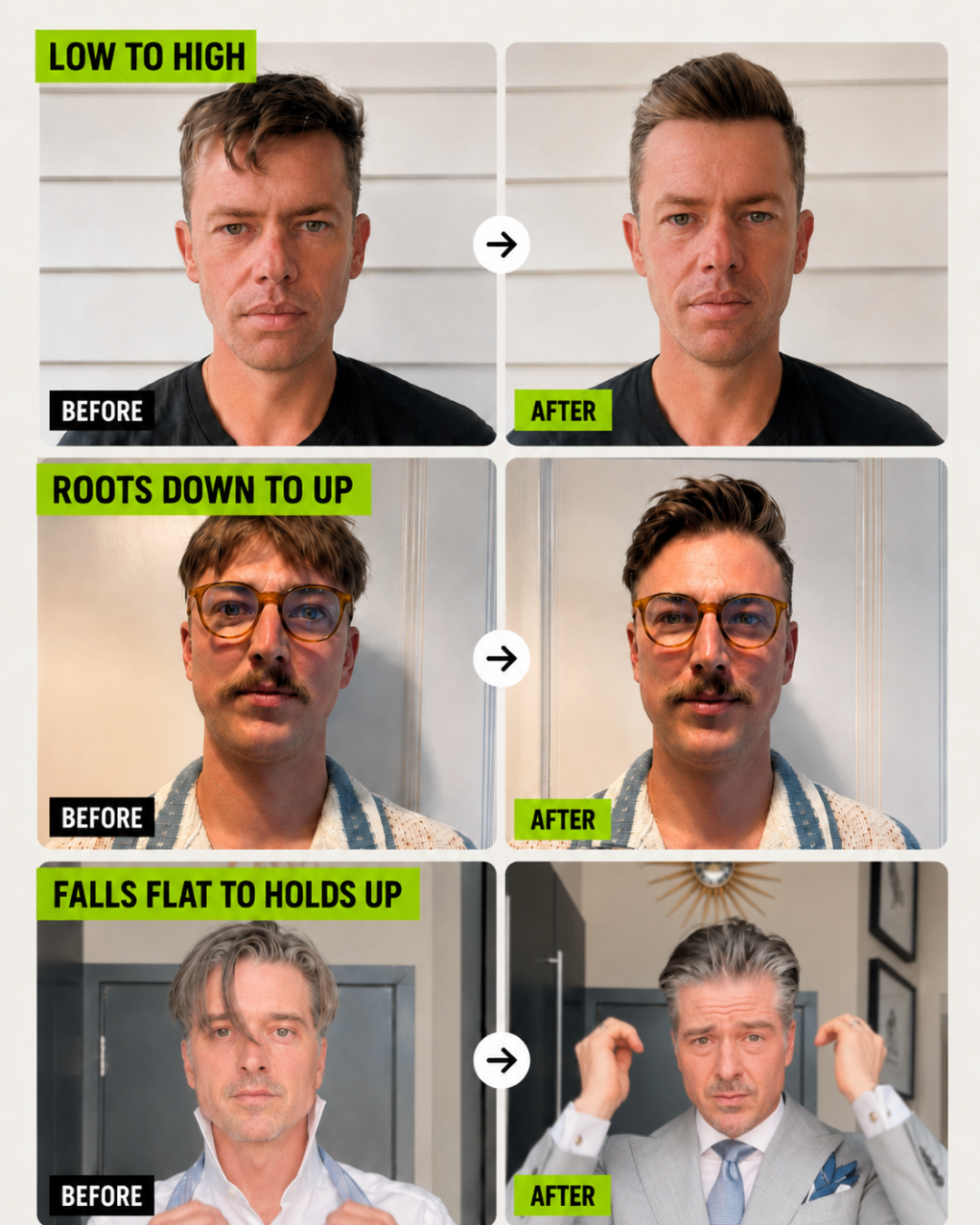
Whether you wear your hair short, medium, curly, or wavy, the way you dry changes the result. Think of it like building a good foundation before you style. If you rough it up too much, skip prep, or use heat in the wrong way, your hair can end up puffy, dry-looking, or oddly flat.
In this post, you’ll learn easy drying techniques for men, common mistakes to avoid, and practical quick tips that fit real life. No fancy routine required—just smarter steps you can repeat daily.
Common Mistakes to Avoid
Most drying issues come from a few repeat offenders. The good news? Fixing them is usually simple.
Rubbing hard with a towel: If you treat wet hair like you’re drying a car, you’ll create extra friction. That often leads to frizz, flyaways, and a rough feel.
Skipping towel time control: Letting hair drip for too long can make it harder to style evenly. But drying too fast with aggressive heat can also backfire.
Using heat on autopilot: High heat for every step can make hair feel stiff or look dull. Your goal is efficient drying with gentler settings whenever you can.
Blasting from every direction: If you’re constantly changing airflow direction while hair is wet, you can disrupt the shape you want. It’s better to work in sections and aim consistently.
Drying without direction: Hair likes guidance. Drying upward and backward randomly often creates bulk where you don’t want it.
How to spot you’re overdoing it
If your hair feels straw-like after drying, looks puffy even when you used styling product, or starts frizzing again within an hour, your technique is likely too harsh. You don’t need to “try harder”—you need to work smarter.

Gentle blotting motion and frizz control visuals
Pros & Cons Analysis
Different drying techniques for men work for different goals. Here’s a balanced look so you can choose what fits you.
Air-drying (with prep)
Pros: Low stress on hair, great for convenience, and often best for defined waves or curls when paired with the right product.
Cons: Can take longer, may look uneven if your hair is very thick or you don’t manage sections.
Towel-drying only (no tools)
Pros: Quick routine, minimal heat exposure, easy to do anywhere.
Cons: Many people end up with puffiness because towel friction is harder to control than airflow.
Blow-drying (with controlled heat)
Pros: Faster styling, smoother finish, and easier volume control when you dry in sections.
Cons: If heat or technique is too aggressive, hair can feel dry-looking or stiff. You’ll also use more energy than air-drying.
Diffuse airflow (especially for curls)
Pros: Helps reduce frizz and keeps curl shape more intact.
Cons: Not always ideal for straight looks, and it can still take some practice to get the shape right.
If you’re unsure, pick one goal first: smoother finish, faster routine, or better wave definition. Then choose the method that supports that goal.
Quick Tips
Use a microfiber towel or a soft t-shirt: They reduce friction compared to a regular towel.
Blot, don’t scrub: Aim for a “press and release” motion.
Start with detangled hair: Comb through gently while hair is still damp so you avoid breakage later.
Apply product when hair is damp: Light styling products tend to spread more evenly and set better.
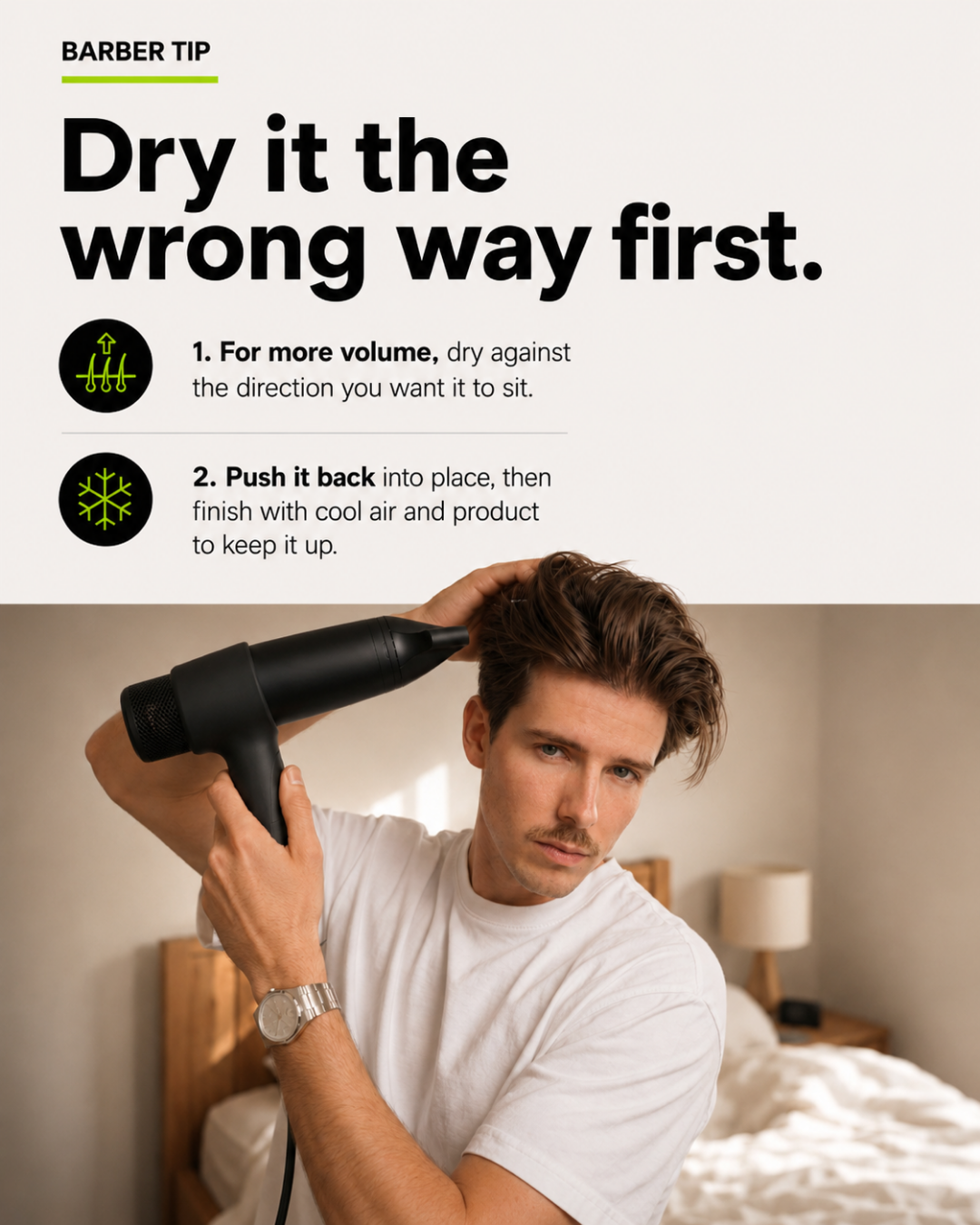
Dry roots first: Your scalp area drives how fast the rest of your hair dries.
Use airflow direction: If you want a calmer, sleeker look, guide hair in the direction you want it to sit.
Finish with a lower heat burst: It can help the style settle without overexposure.
Keep the tool moving: Holding a dryer in one spot too long is where dryness surprises happen.
If you’re shopping for tools, you can compare options from trusted brands. For example, you can explore Dyson hair dryer pages like Dyson hair dryer and specific styling attachments on Dyson hair dryer accessories. (Always follow the manufacturer’s guidance for settings and safety.)

Sectioned drying arrows showing consistent airflow direction
A Simple Drying Method You Can Reuse
If you want a routine that works even on busy mornings, try this straightforward flow. It’s basically “prep, press, direct, set, finish.”
Prep: After washing, gently squeeze out excess water. Don’t twist or yank.
Press: Use a microfiber towel or soft t-shirt to blot moisture. Keep it to the point where hair stops dripping.
Detangle: Comb or brush carefully, starting from the ends and working upward.
Section: Split hair into two to four areas. This alone makes drying faster and more consistent.
Direct: If you blow-dry, aim airflow along the section’s direction. Keep the dryer moving and avoid blasting one spot.
Set: Dry until hair is mostly dry, then slow down to shape the final look.
Finish: Use a lower heat setting briefly to help your style hold.
Notice what’s missing: harsh rubbing, guessing, and over-drying. When you follow a consistent sequence, your hair usually behaves better over time.
Where people usually get stuck
Most people either dry too quickly (and end up with uneven frizz) or dry too long (and end up with dryness). The sweet spot is “fully dry, but not stressed.” If your hair still looks damp, dry a bit more. If it already feels dry, stop and let it cool down for a smoother finish.
Micro Scenarios by Hair Type
Drying techniques for men don’t need to be complicated. You just need to match the technique to your hair texture.
Short hair
Short hair can look amazing with minimal effort. Blot thoroughly, then blow-dry roots first. Use quick, consistent passes to avoid a “puffed helmet” look. If you want a cleaner finish, keep airflow slightly downward.
Medium length hair
Medium length hair benefits from sectioning. Dry the crown and sides first, then finish with the length. If your ends get frizzy easily, reduce heat and focus airflow on the outer layer last.
Wavy hair
For waves, gentle towel drying and careful airflow direction work wonders. Instead of scrubbing, blot and press. When blow-drying, avoid moving the dryer too aggressively through the wave pattern. Let the waves sit while drying to encourage definition.
Curly or coily hair
Curls and coils usually love patience and controlled airflow. Use a microfiber towel or t-shirt to avoid friction, then consider diffuse-style drying so you don’t disturb the curl structure. If you air-dry, you can still “help” by gently shaping and letting hair dry in place.
Thick hair
Thick hair often dries slowly and unevenly. Sectioning is your best friend. Dry roots first, then work outward. It’s okay to use moderate heat to speed things up—just keep the tool moving and stop once hair feels dry.
If you want a tool that makes airflow and styling feel more controlled, you can explore Dyson-focused pages like Dyson hair dryers or choose models and attachments by style needs via Dyson hair dryer styling attachments. Always double-check settings and best-use guidance for your exact hair type.
Wrap-Up & Key Insights
Drying techniques for men are really about reducing friction, managing moisture, and guiding your hair into the shape you want. When you blot instead of rub, dry in sections, and use controlled airflow, your hair usually looks smoother and feels more comfortable throughout the day.
Here’s the quick recap:
Skip hard towel rubbing to prevent frizz.
Section your hair for faster, more even results.
Use direction and movement if you blow-dry.
Finish gently so your style settles without extra stress.
If you want to upgrade your routine, start with one change today. For example, switch from rubbing to blotting, then notice how your hair behaves by lunchtime.
Q&A
Do men need to blow-dry every time they wash?
No, not at all. If your hair dries nicely on its own, air-drying can be a great option. Blow-drying is especially helpful when you want a smoother finish, faster mornings, or more control over volume and shape. A simple rule is: use tools when the look you want isn’t happening naturally.
What’s the best way to dry hair without causing frizz?
Start with gentle blotting using a microfiber towel or a soft t-shirt. Then detangle carefully and dry with consistent airflow direction. If you use heat, keep it moderate and avoid lingering in one spot. The goal is to remove moisture while minimizing friction and disruption.
How do I stop my hair from looking puffy after drying?
Puffiness often comes from friction, uneven drying, or airflow that fights the hair’s natural direction. Try drying roots first, work in sections, and guide hair downward or in the direction you want it to sit. Also, don’t over-towel-dry—too much rough handling can create extra lift and frizz.
Can I use the same drying technique for all hair textures?
You can use a similar overall routine, but details should change. Short hair usually needs quicker root-focused drying. Wavy hair often benefits from gentler, wave-respecting direction. Curly or coily hair often looks best with diffuse-style airflow or air-drying with shaping. Matching the method to your texture makes a big difference.
Disclaimer: This article is for general informational purposes and is not medical advice. Results vary based on hair type, products used, and individual routines. Always follow the safety instructions and usage guidelines from your hair tools’ manufacturers.

Sarah Courtney writes expert hair content for Heist’s blog and guides. She focuses on practical styling advice and product insights that help you nail everyday looks with salon-level results. Her work blends technical knowledge of hair tools with clear step-by-step tips you can apply at home. You can see her byline on posts like Choosing a Salon Quality Dryer for Everyday Home Styling.






Share:
Hair Dryer for Thick Hair: Fast, Smooth Results Guide
Styling Tips for Men’s Hair: Build a Clean, Modern Look