


Updated on: 2026-06-01
A hair dryer for thick hair can be a game-changer when your strands feel heavy, slow to dry, or frizzy. In this guide, you’ll learn how to choose the right power, heat settings, airflow, and attachments for your hair type. We’ll also clear up common myths so you can stop wasting time on what doesn’t work. By the end, you’ll have a simple, practical plan for fast, smooth results without guesswork.
Jump to TLDR · Table of Contents · Product Spotlight · Myths vs. Facts · Frequently Asked Questions · Final Recommendations
TLDR
- Look for strong airflow and smart heat control for thick hair.
- Use the right attachments to shape and smooth without fighting frizz.
- Work in small sections and keep the dryer moving for better results.
- Stop believing that “more heat” is always the answer.
Introduction
If you’ve got thick hair, you already know the struggle. You step out of the shower, grab your towel, and then… the waiting starts. Maybe your roots stay damp. Maybe your ends get puffy. Maybe you find yourself drying longer than you’d like, just to feel “done.” The good news? With the right hair dryer for thick hair and a simple routine, you can cut down drying time and get a smoother, more polished finish.
In this post, I’ll walk you through what actually matters when choosing a dryer, how to set it up for thick strands, and what to do if you’re still seeing frizz or uneven drying. Think of it like a friendly checklist—no complicated hair science required.
Product Spotlight
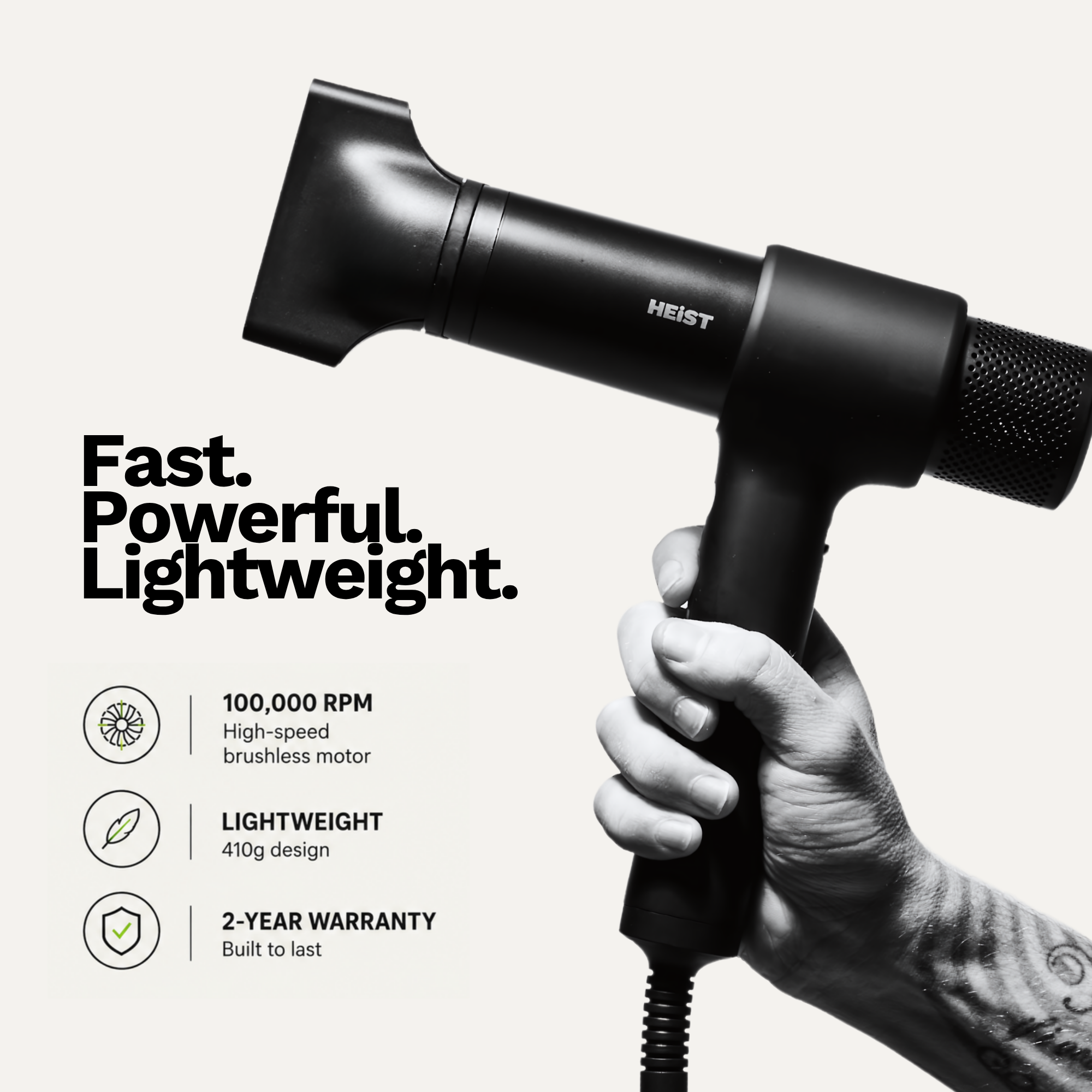
Let’s talk about what to look for in a dryer made for thick hair. When people say a hair dryer is “good,” they often mean it dries fast and helps control frizz. But the real difference usually comes from a few specific features.
First: prioritize airflow power. Thick hair holds water longer, so gentle airflow won’t always cut it. Strong, consistent airflow helps you move moisture out of the hair faster and more evenly.
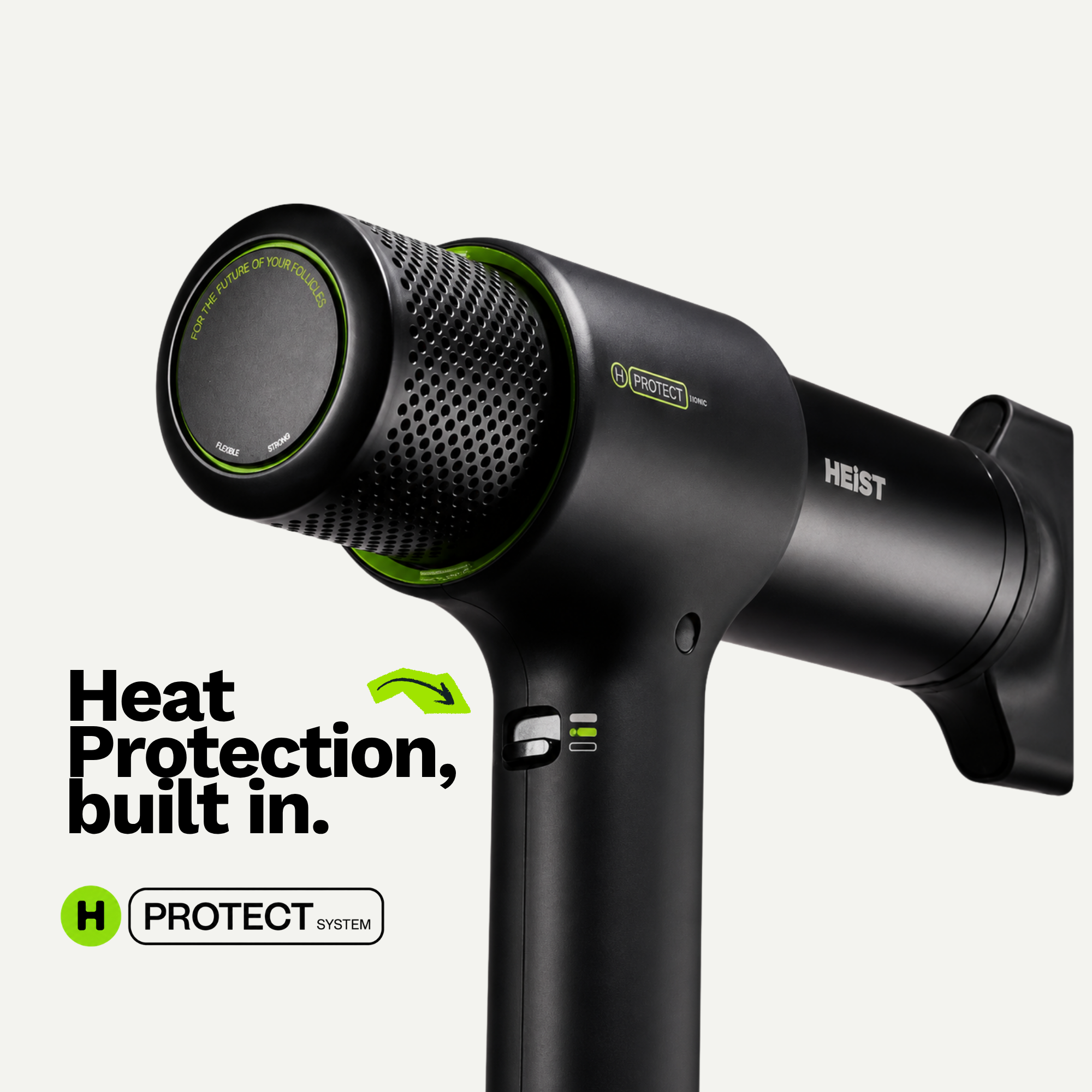
Second: look for multiple heat and speed settings. High heat can feel tempting, but it’s not always the best choice. For many people, medium heat plus higher airflow works better for thick styles because it dries while staying a bit more comfortable for your hair.
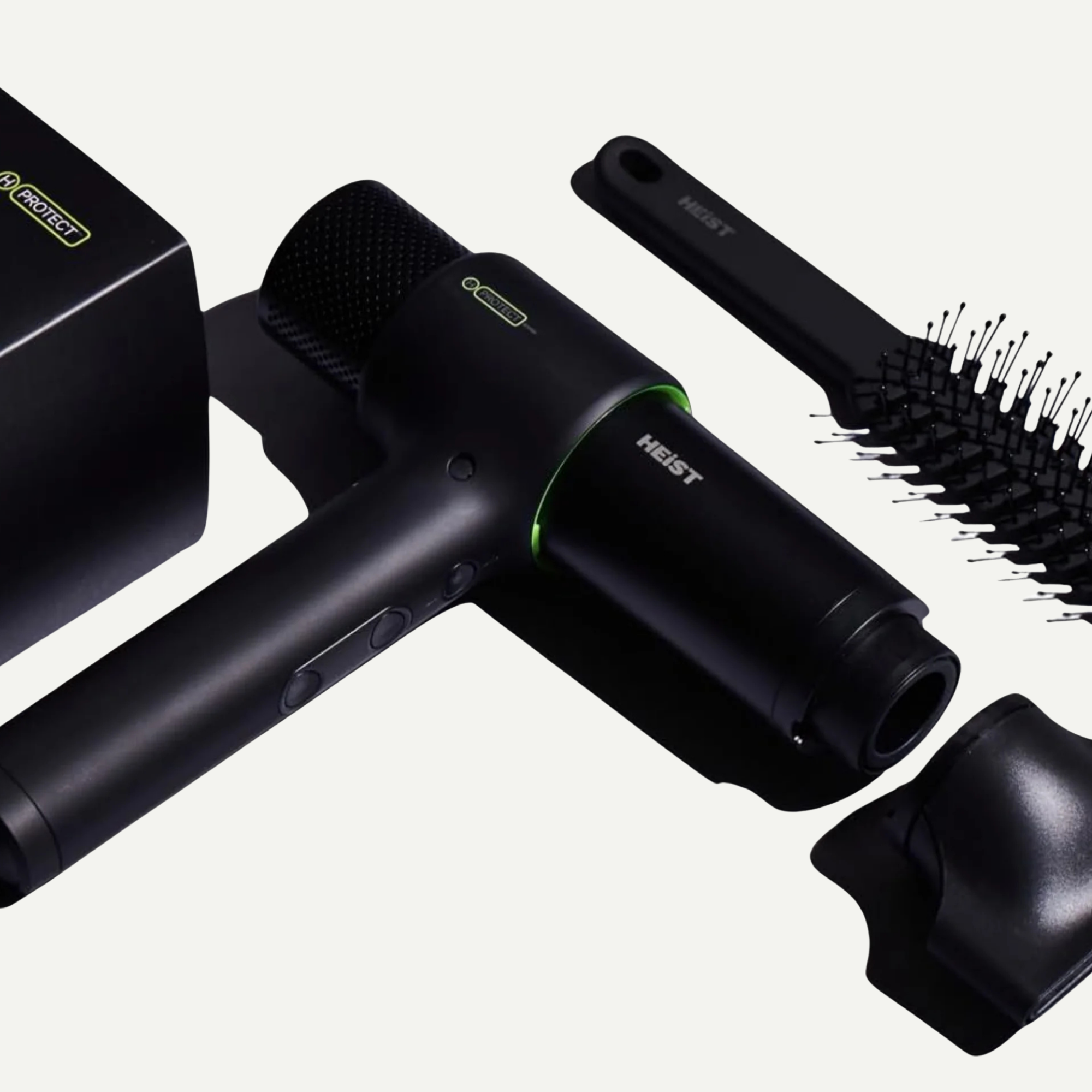
Third: check for styling attachments. A concentrator nozzle can help you direct airflow along the hair’s surface for smoother blowouts. A diffuser can be helpful if you’re working with natural waves or curls, because it spreads airflow and reduces the “blast” effect that can disturb shape.
Fourth: consider smart controls. If your dryer has heat management or a cool shot button, you can lock in your style at the end. That small step often makes a difference in how long your blowout stays neat.
And if you want to compare options quickly, you can browse reputable dryer lines and accessories. For example, you may find helpful details on hair styling guides that explain airflow, nozzle types, and attachment basics. You can also explore broader hair care tips on conditioning and styling tips, which often pair well with a more effective drying routine.
If you like shopping in categories, here’s a practical way to narrow down choices: start with airflow strength, then match settings to your hair’s needs. For thick hair, the goal is even drying, smooth cuticles, and less frizz—without turning your bathroom into a “drying marathon.”
Best Settings for Thick Hair
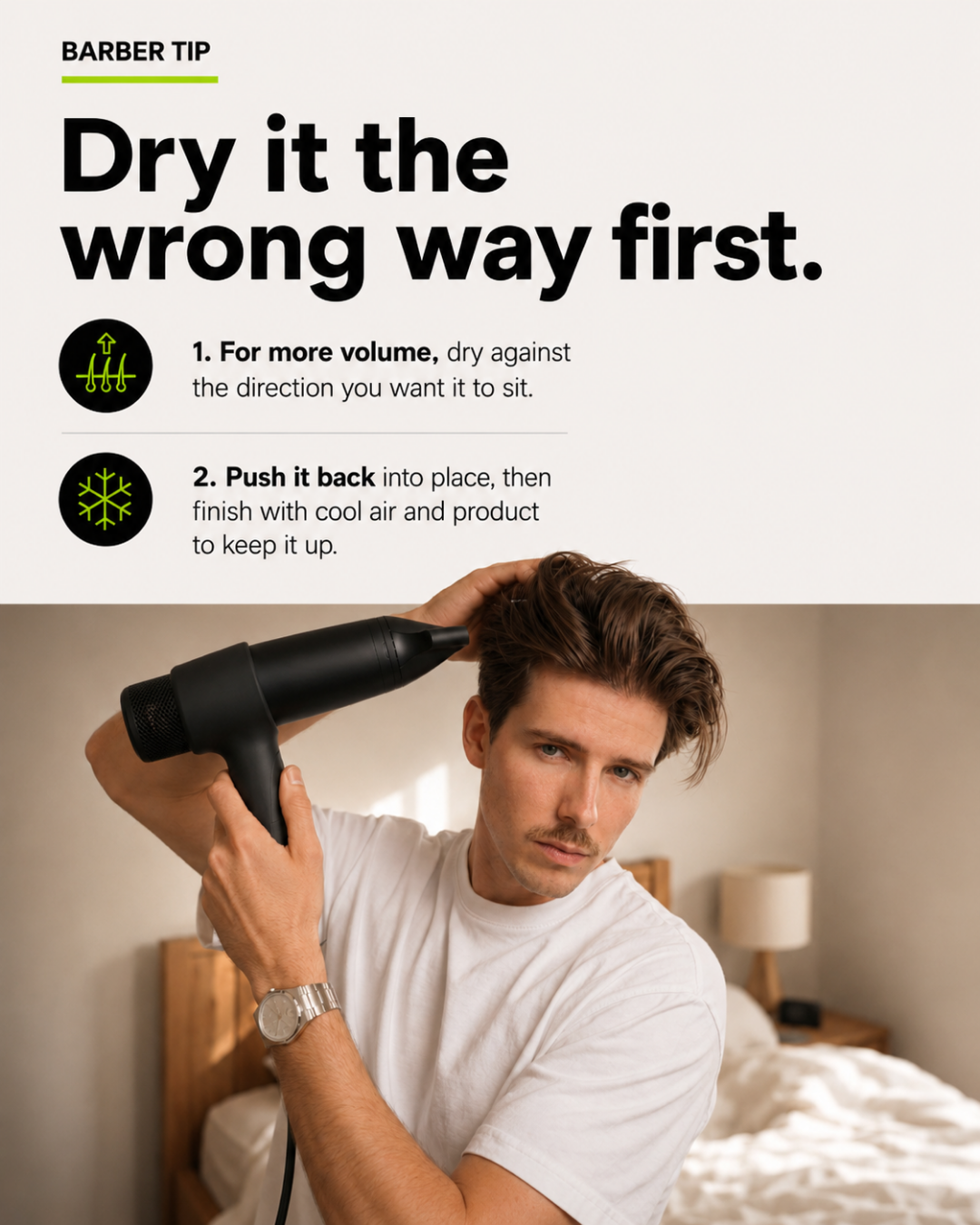
Here’s a simple rule you can actually remember. Use higher airflow earlier in the routine, then switch to lower heat as you move toward finishing and smoothing. You’ll still get a dry result, but you’re less likely to fry the outer layer while you’re waiting for the inside to catch up.
- Start: medium or high speed, medium heat.
- Middle: keep airflow moving, dry section by section.
- Finish: cooler air and gentle heat to refine your shape.
This approach is especially useful when you’re using a blow-dry brush or trying to add volume at the roots. If your roots dry slower than your ends, you may need a bit more time and targeted airflow near the scalp—without blasting your ends repeatedly.
For additional guidance on dryer features, you can also look at styling-oriented product pages like blowout technique tips and anti-frizz routines that support what your dryer is doing.
Myths vs. Facts
Thick hair is already doing a lot. So let’s clear the noise that keeps people stuck. These are the myths I hear all the time—and the facts that help you move forward.
Myth 1: “More heat always means faster drying.”
Fact: Faster drying usually comes from better airflow and smart technique. High heat can dry the surface quickly while the inside stays damp. That mismatch can lead to frizz later. Try medium heat with stronger airflow first. If you need a little extra, increase heat gradually—not all at once.
Myth 2: “You should dry thick hair in one big section.”
Fact: Large sections trap moisture. Thick hair benefits from smaller sections so hot air can reach the roots and mid-lengths evenly. A simple sectioning method helps you avoid the “dry on top, still wet underneath” problem.
Myth 3: “A diffuser is only for curly hair.”
Fact: Diffusers can be helpful for waves and coils, but they also work well if you want softer volume and less frizz. If you use one, don’t treat it like a hammer. Use gentle movement, and let the airflow do the smoothing work.
Myth 4: “Any nozzle will work the same.”
Fact: Attachments change the airflow pattern. A concentrator nozzle helps direct airflow along the hair shaft, which can be great for sleek styles. A diffuser spreads airflow for gentler drying. Matching your attachment to your goal often beats chasing the hottest setting.
Frequently Asked Questions
What wattage or power is best for thick hair?
There isn’t one perfect number that fits everyone. Instead of chasing a single wattage, focus on how the dryer delivers airflow in a steady stream. Thick hair usually benefits from strong airflow plus multiple speed and heat settings, so you can dry quickly without overdoing heat on the outer layer.
How do I stop frizz when drying thick hair?
Start with a towel that doesn’t rough up the hair cuticle—gentle blotting helps. Then work in sections, keep the dryer moving, and aim the nozzle in the direction you want the hair to lie. Finish with cooler air to help set the style. If you tend to get frizz near the crown, spend a bit more time there with controlled heat and consistent airflow.
Should I use heat protectant before blow-drying?
Most people benefit from heat protection because it adds a safety layer between styling heat and hair strands. Use a product designed for blow-drying, apply it evenly, and comb through if needed. It’s a small step that can make the drying routine feel easier and help your hair look healthier over time.
Can I dry thick hair faster without damaging it?
Yes, you can speed things up by improving technique. Use higher airflow earlier, choose medium heat most of the time, and dry section by section. When the hair feels fully dry, stop drying. Over-drying is often where damage and extra frizz sneak in.
Final Recommendations
If you remember just a few things, make them these: choose a dryer with strong, consistent airflow; use heat settings wisely; and style with attachments that match your goal. Thick hair doesn’t need punishment—it needs the right airflow pattern and a routine that respects how moisture moves through your strands.
Here’s a quick “do this next” plan:
- Prep: detangle gently and blot, don’t rub.
- Section: split hair into manageable parts.
- Dry: start with medium heat and higher speed for even drying.
- Smooth: use a nozzle direction technique to guide the cuticle.
- Set: finish with cooler air and let it cool down before touching.
Want to build a whole routine around your tools? Start with daily hair care checklists and then pair your dryer technique with hydration and smoothing tips. When your products and drying method work together, you’ll notice the difference faster than you think.
If you’re comparing attachment styles or dryer types, you can also explore inspiration from categories like blow-dry styling ideas. It’s a simple way to stay consistent with what helps your hair look its best.
Ready to upgrade your routine?
Grab your dryer, set it to a medium heat start, and give sectioning a real try. If your thick hair has been feeling stubborn, this one change alone can make drying feel shorter and your finish smoother. You’ve got this.
Disclaimer: This article is for general informational purposes only and does not replace professional hair care advice. Results can vary based on hair texture, product use, and individual styling habits.

Sarah Courtney writes expert hair content for Heist’s blog and guides. She focuses on practical styling advice and product insights that help you nail everyday looks with salon-level results. Her work blends technical knowledge of hair tools with clear step-by-step tips you can apply at home. You can see her byline on posts like Choosing a Salon Quality Dryer for Everyday Home Styling.








Share:
Diffuser for Curly Hair: Get Defined Curls Without Frizz
Drying Techniques for Men: Faster, Neater Results