


Updated on: 2026-08-03
Hair Health is about more than looking good in photos. It starts with how you treat your scalp, the products you use, and the heat and styling habits you repeat. In this guide, you’ll learn a simple routine for cleansing, conditioning, and protecting your strands without making your life complicated. You’ll also get quick answers to common questions like how often to wash, what to do about dryness, and how to reduce breakage. By the end, you’ll have a clear plan you can stick to.
Introduction to Hair Health
If you’ve ever stared at your bathroom mirror thinking, “Why doesn’t my hair act right anymore?”, you’re not alone. Hair Health can change for lots of everyday reasons: stress, weather shifts, new products, tighter hairstyles, more heat, or even just washing less (or more) than your scalp prefers.
The good news? You don’t need a complicated 12-step routine to see improvement. Think of Hair Health like taking care of skin. When you support your scalp, reduce harsh friction, and add the right moisture and protection, your hair usually responds over time.
Let’s make this practical. Whether you have straight hair that gets flat, wavy hair that tangles, curly hair that feels dry, or coily hair that needs extra care, you can build a routine that fits your life. You just need the right order of operations and a few consistent habits.
How-To Guide for Better Hair Health
This guide is built to be easy to follow and easy to repeat. Pick one change at a time. If you try everything on day one, it’s hard to tell what’s working.
Step 1: Start with gentle cleansing
Healthy-looking hair usually starts with a scalp that feels clean, not stripped. When you wash, focus on your scalp first. Your hair lengths can get cleaned by the rinse, and that alone helps reduce dryness.
- Use lukewarm water instead of very hot water.
- Massage your scalp with your fingertips for a short, steady rhythm.
- Pick a shampoo that matches your needs: if your scalp feels oily quickly, choose a clarifying or balanced formula; if it feels tight or dry, go gentler.
Quick reality check: if you’ve been using heavy products on your roots, you may need an occasional deeper cleanse. The goal isn’t to over-clean—it’s to remove buildup so your scalp can breathe.
Step 2: Condition with intention
Conditioner isn’t just for “soft hair.” It helps improve manageability, reduces friction, and supports a smoother surface so strands don’t feel rough or snap as easily.
- Apply conditioner from mid-length to ends.
- Use a comb or fingers to distribute evenly.
- Let it sit briefly, then rinse thoroughly.
If your hair is fine and gets weighed down, try using a lighter conditioner or applying only to the lower half of your hair. If your hair is thicker or curlier, you may benefit from a richer formula or a little extra detangling time while it’s conditioned.

Scalp cleansing motion and smooth hair strands visual
Step 3: Detangle like you mean it
Breakage often happens when hair is tangled and you’re tugging to “fix it fast.” A better approach is to detangle with patience and the right conditions.
- Detangle when hair is damp and conditioned.
- Start at the ends and work upward.
- Use a wide-tooth comb or your fingers first, then refine.
Also, watch your towel habit. Rubbing with a regular towel can create friction and frizz. A gentler squeeze or pat can make a noticeable difference in day-to-day Hair Health.
Step 4: Protect hair from heat
Heat can be useful, but it has to be handled with care. The biggest mistake is using high heat repeatedly without enough protection or without letting hair dry fully.
- Whenever possible, air-dry first until hair is mostly dry.
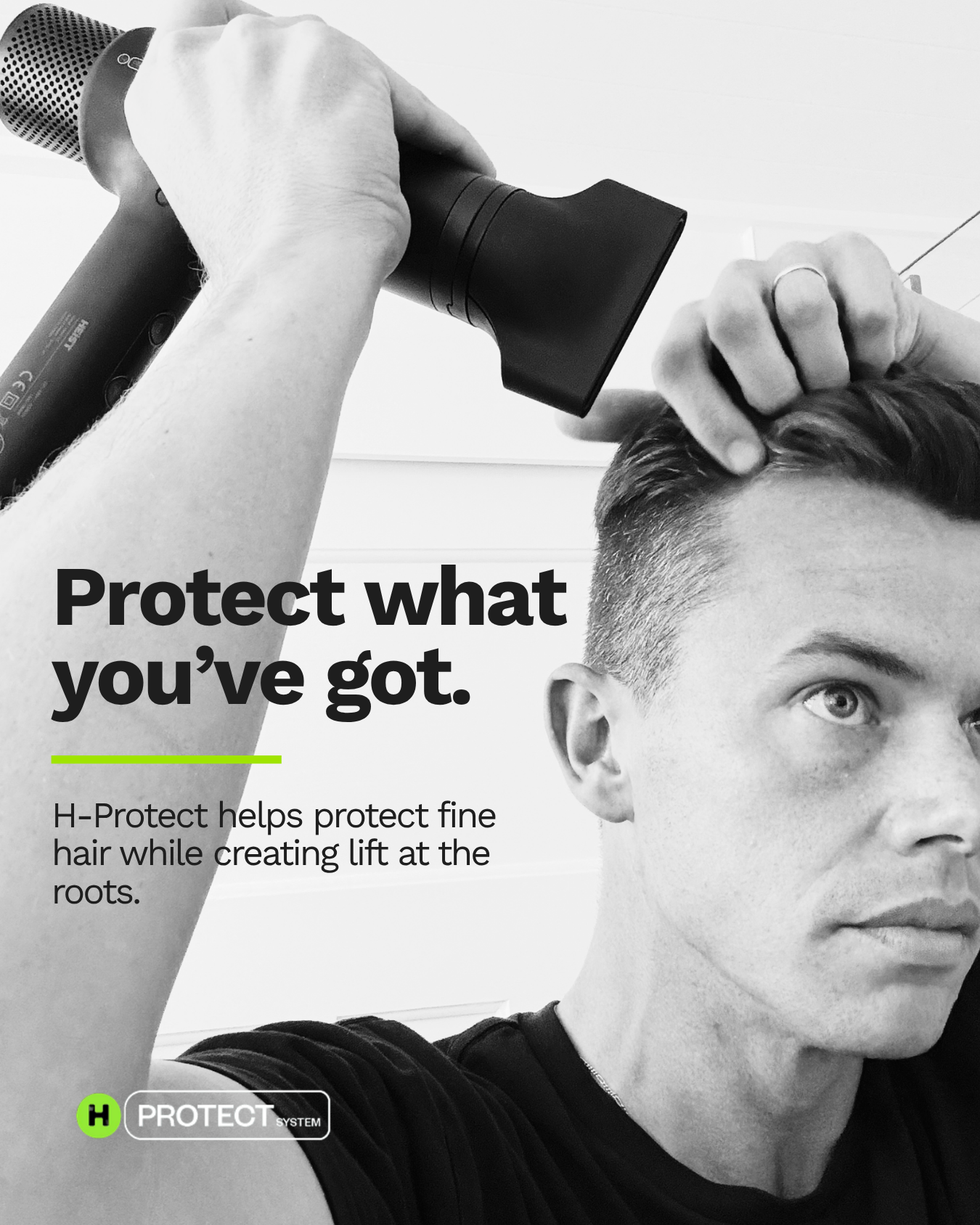
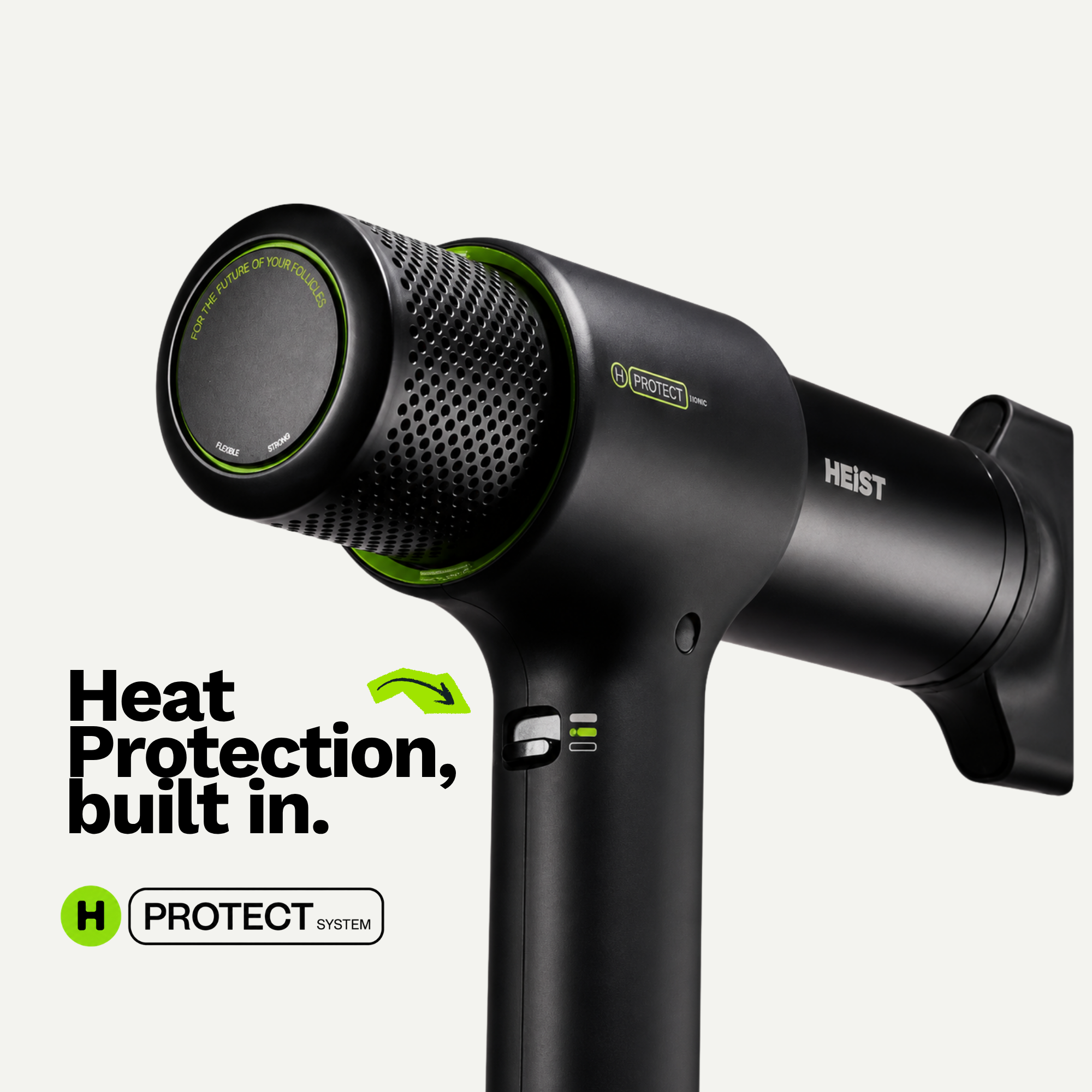
- Use a heat protectant (and apply it evenly).
- Lower the heat setting and increase care rather than blasting.
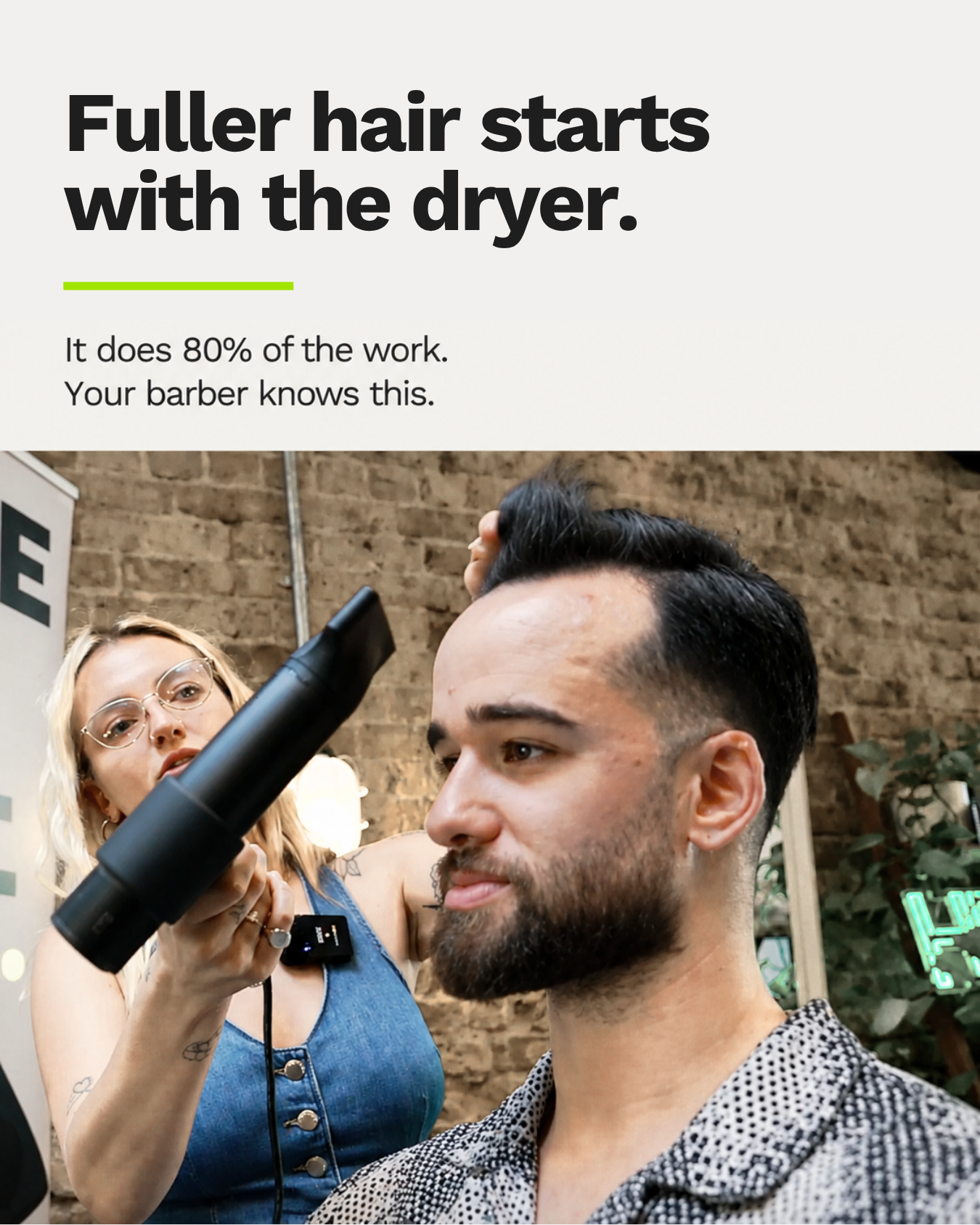
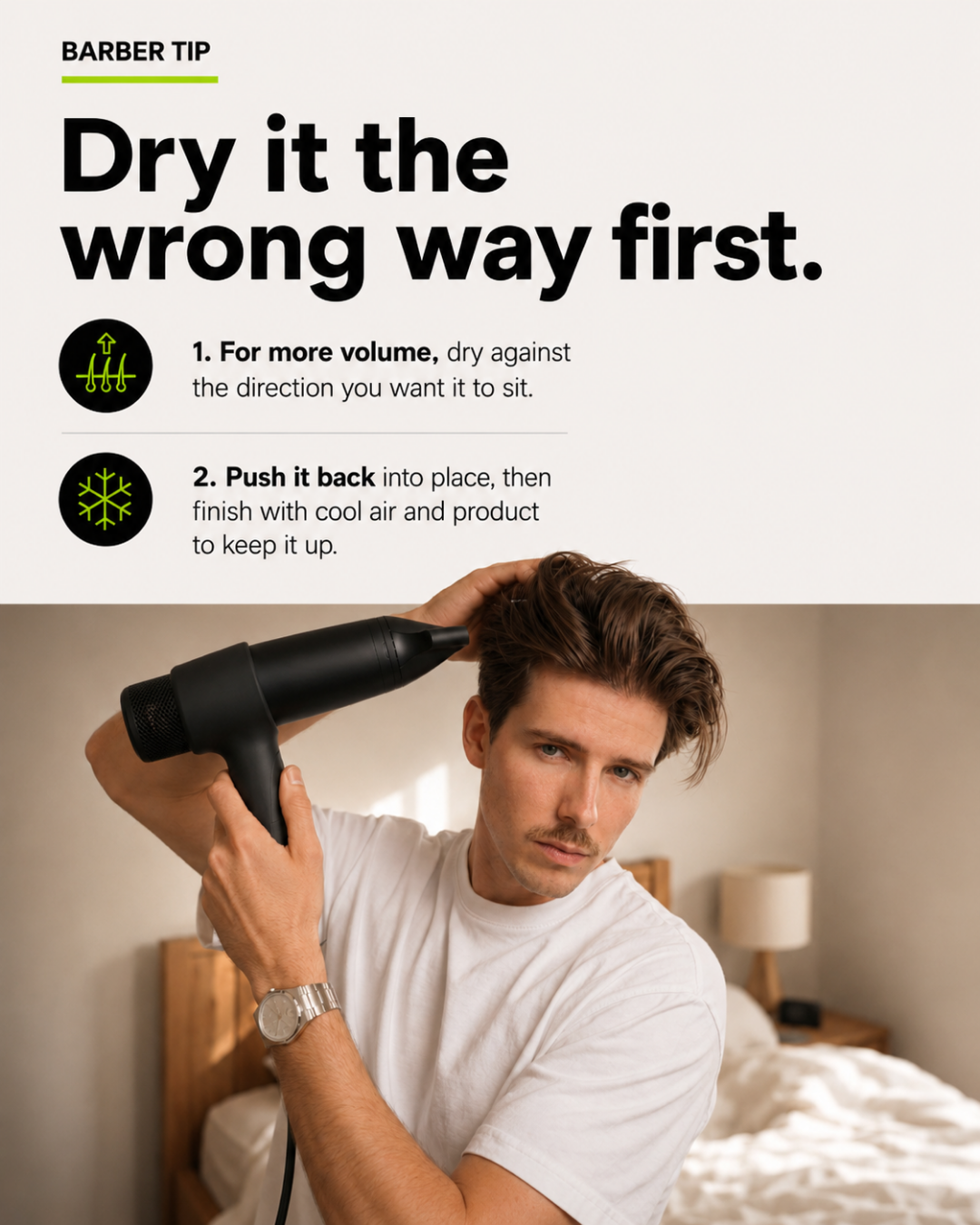
If you’re using a hair dryer, keep it moving and avoid staying in one spot for too long. It’s also smart to choose a drying method that helps reduce the need for re-styling the same section over and over.
Some people find that consistent drying and styling tools help them waste less time with the blow-dry “rescue loop.” If you’re looking for ideas, you can explore drying options from Dyson hair care resources to understand what features matter (like airflow control and heat management).
Step 5: Add a scalp-friendly routine
Your scalp is your hair’s foundation. Even if your strands look healthy, an irritated or clogged scalp can affect hair growth and how your hair feels overall.
- Keep an eye on itchiness, flaking, or a constant “squeaky clean” feeling.
- Try a scalp massage to support circulation and reduce tension.
- Use treatments sparingly and consistently—don’t rotate everything at once.
One simple upgrade: be mindful of how long styles stay in. Tight styles can pull on roots and contribute to breakage over time. Switch it up with protective styles that don’t strain your scalp, and give your hair some breathing room.

Protective styling tension-free roots with gentle icons
Build a routine that matches your hair type
“One routine for everyone” is a myth. Hair Health depends on your natural texture, density, and how easily your strands lose moisture.
Here are a few starting points you can personalize:
- Straight hair: focus on lightweight conditioning and smooth detangling to prevent flatness and breakage.
- Wavy hair: balance moisture with control so you get softness without losing definition.
- Curly hair: prioritize moisture, detangling, and gentle drying to reduce frizz and improve clumping.
- Coily hair: focus on sealing moisture, careful detangling, and scalp comfort.
Remember: the “right” routine should feel doable. If it only works when you’re in a great mood and have 90 minutes free, it won’t last. Choose a routine that fits your real schedule.
Common Questions Answered
Let’s clear up the stuff that keeps coming up in conversations about Hair Health.
How often should I wash for Hair Health?
There’s no single perfect schedule. A good approach is to wash when your scalp needs it. If your roots get oily quickly, you may need more frequent washing. If your scalp feels dry or tight, you may do better with fewer washes and extra conditioning on the ends. The best sign you’ve found your rhythm is that your hair feels clean and comfortable, not stripped.
Why does my hair feel dry even when I use conditioner?
Conditioner can help, but dryness might come from a few other places: not detangling gently, rough towel drying, too much heat, or product buildup that makes hair feel coated rather than moisturized. Try adjusting your detangling technique, using a gentler drying method, and making sure you’re rinsing conditioner well. If you use heavier products, consider occasional buildup removal.
What’s the simplest way to reduce breakage?
Start with reducing friction and tugging. Detangle when hair is damp and conditioned, start at the ends, and work gradually upward. Also, protect hair during drying and styling by avoiding high heat and staying mindful of how often you re-style the same sections. Finally, make hairstyles and accessories more gentle—tension is a sneaky cause of snapping.
Do I need hair masks for better Hair Health?
Masks can help, especially when your hair feels rough, dry, or over-processed. But you don’t need them every time you wash. Think of masks as a supportive boost you use occasionally, while your everyday routine handles the basics: cleansing, conditioning, detangling, and protection.
Final Thoughts and a Simple Next Step
You’re not “behind” if your Hair Health isn’t where you want it yet. Hair changes naturally, and the habits around washing, conditioning, and styling can make a big difference. The key is choosing a few consistent steps and giving your hair a fair chance to respond.
Here’s a simple next step you can take today: pick one area to improve for the next two weeks. For many people, that’s switching to gentler cleansing and better detangling, or adding heat protection and adjusting drying habits. Small upgrades add up.
CTA: Want a quick routine reset? Choose one change from this post—cleansing, conditioning, detangling, heat protection, or scalp comfort—and start with that. You’ll learn more from what you try consistently than from what you try all at once.
Disclaimer: This article is for general educational purposes and doesn’t replace professional medical or dermatology advice. If you have severe scalp irritation, sudden hair loss, or symptoms that worry you, consider speaking with a qualified healthcare professional.

Sarah Courtney writes expert hair content for Heist’s blog and guides. She focuses on practical styling advice and product insights that help you nail everyday looks with salon-level results. Her work blends technical knowledge of hair tools with clear step-by-step tips you can apply at home. You can see her byline on posts like Choosing a Salon Quality Dryer for Everyday Home Styling.





Share:
How to Thicken Hair: Simple Steps for Fuller Strands
Hair Styles Men: Easy Cuts and Styling Ideas