


Updated on: 2026-07-27
If you’ve been trying to thicken hair but your routine feels hit-or-miss, you’re not alone. The good news is that hair density and the look of fullness respond to everyday habits—how you cleanse, condition, dry, and style. This guide breaks down realistic steps that support thicker-looking strands without hype. You’ll also get a myth-busting section, quick answers to common questions, and practical recommendations you can start today.
A Smart Routine for Fuller, Thicker-Looking Hair
Washing, Drying, and Styling That Boost Volume
Product Spotlight
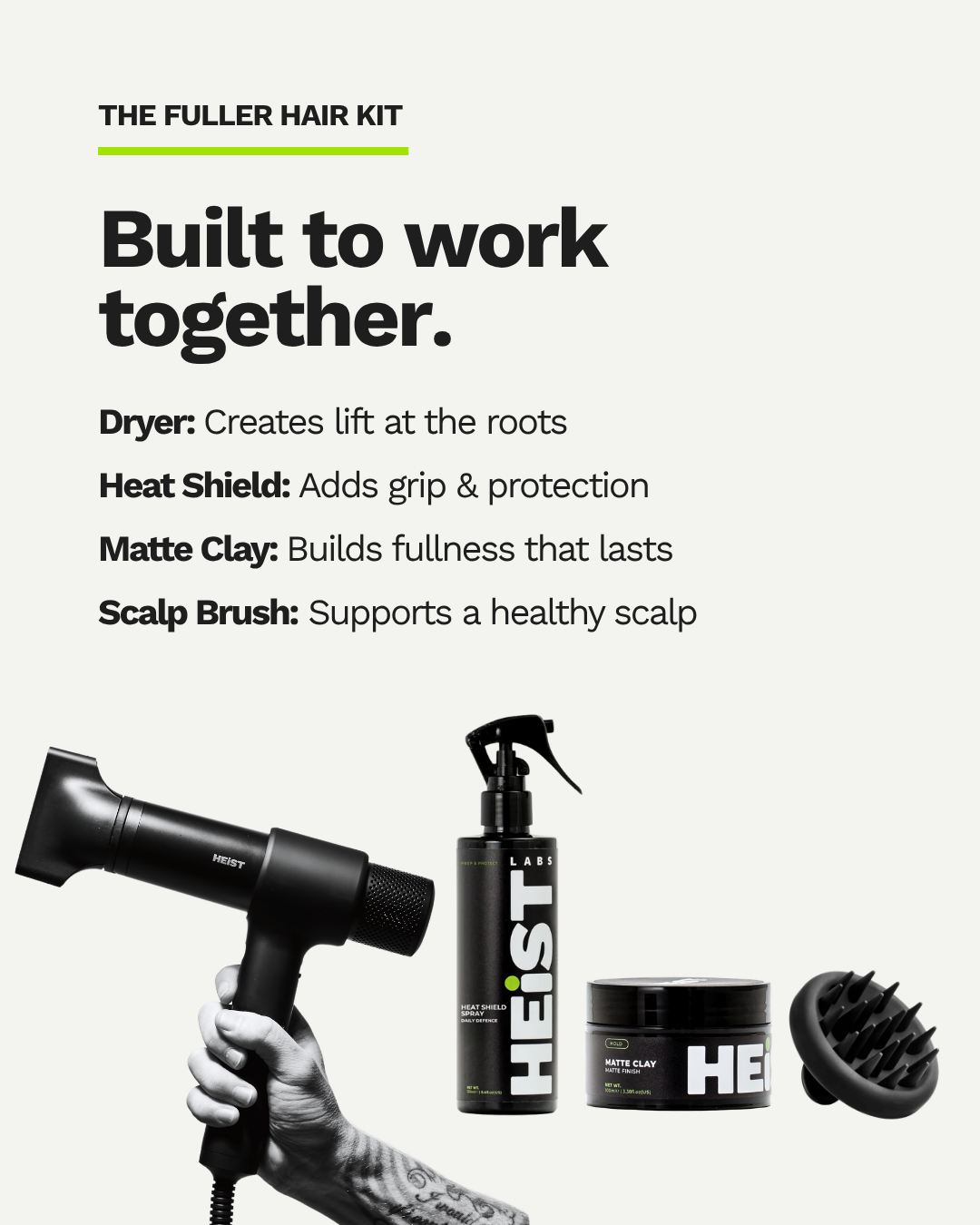
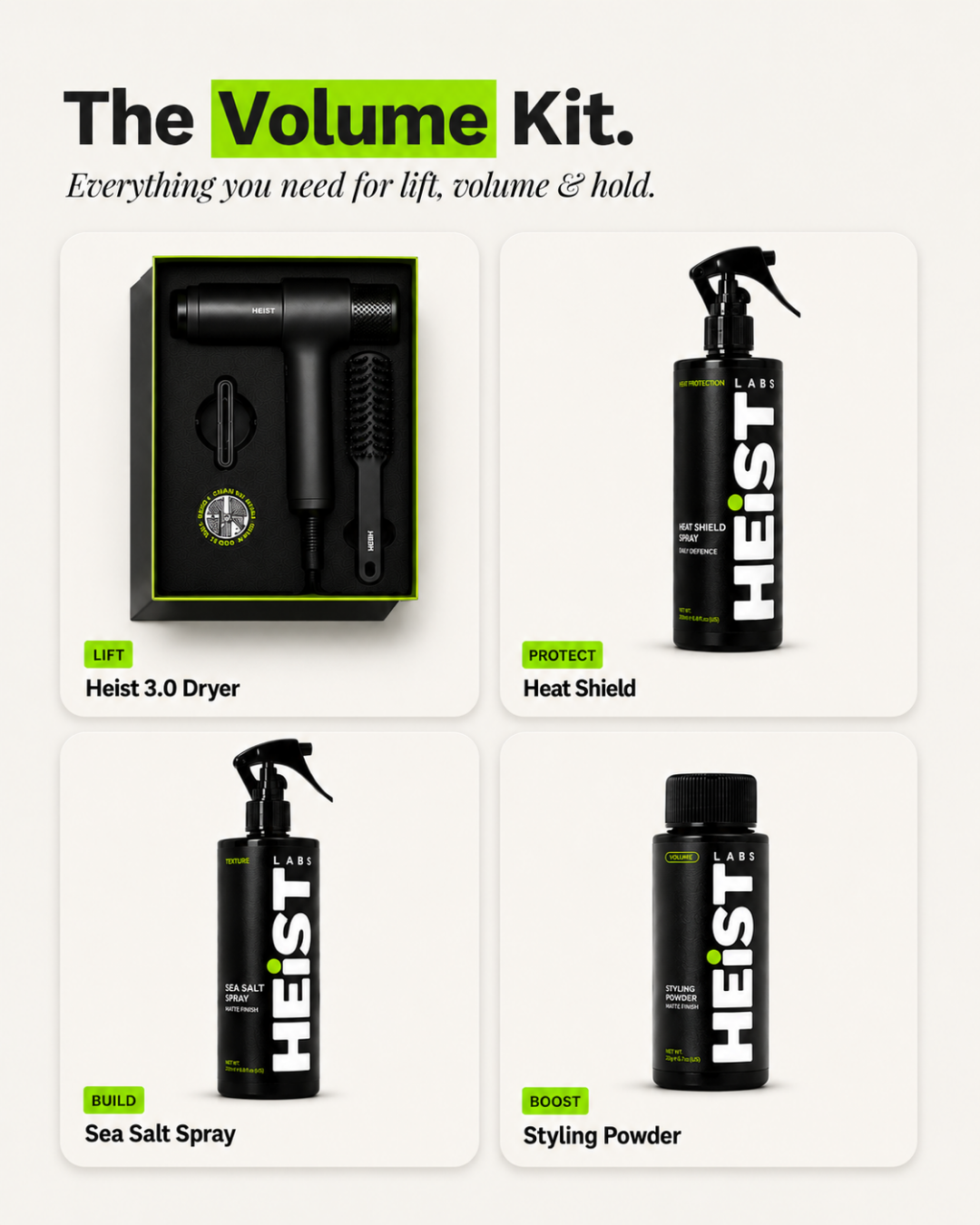
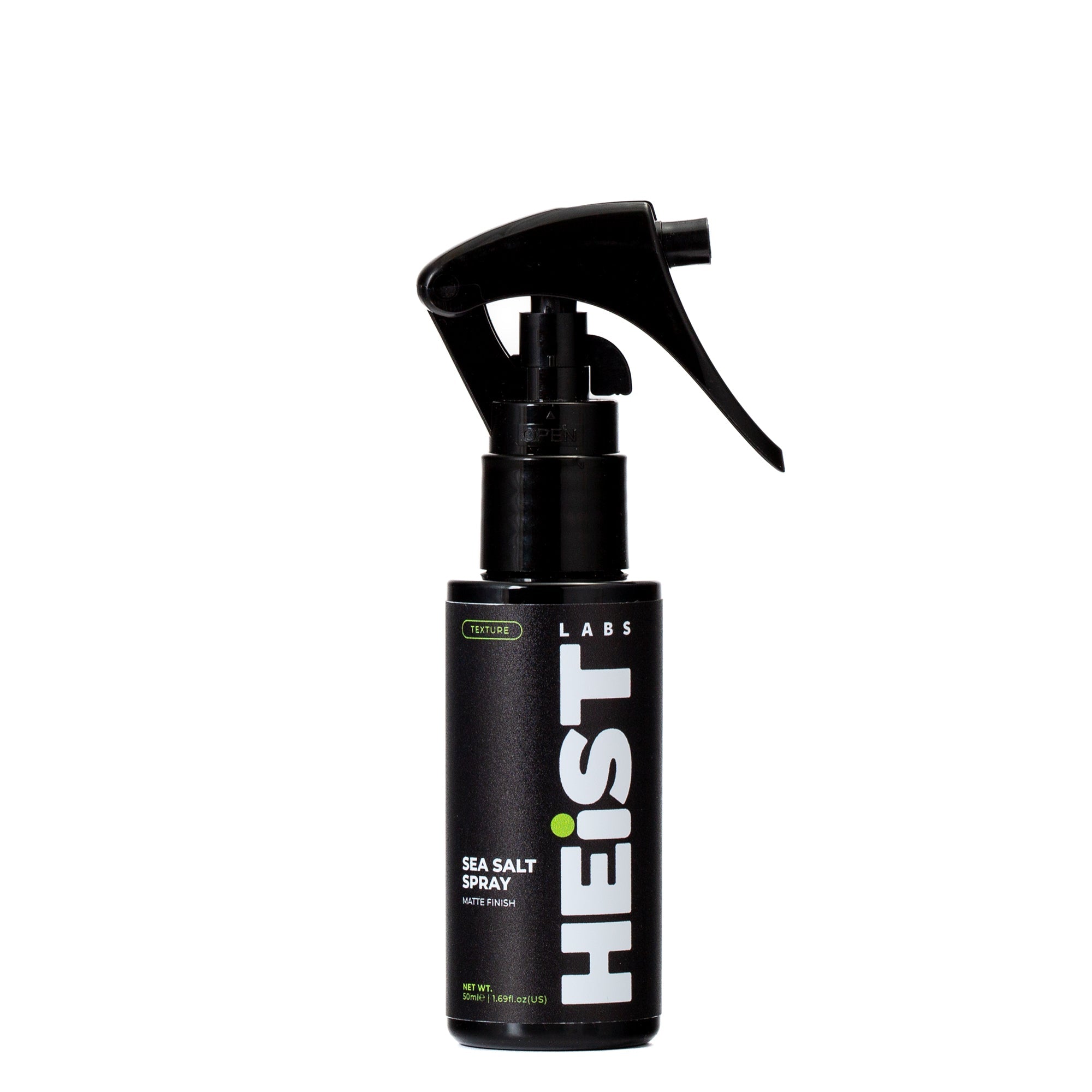
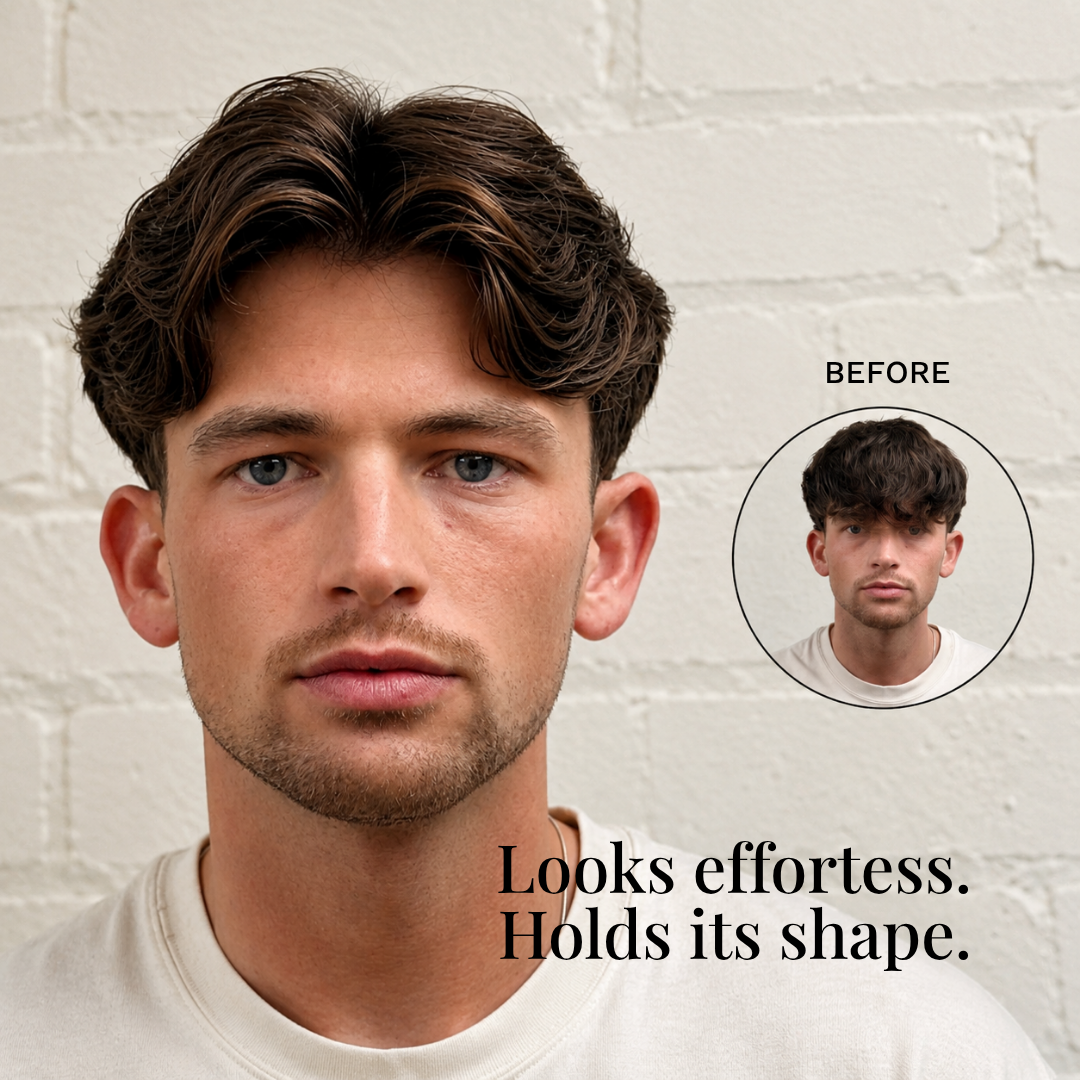
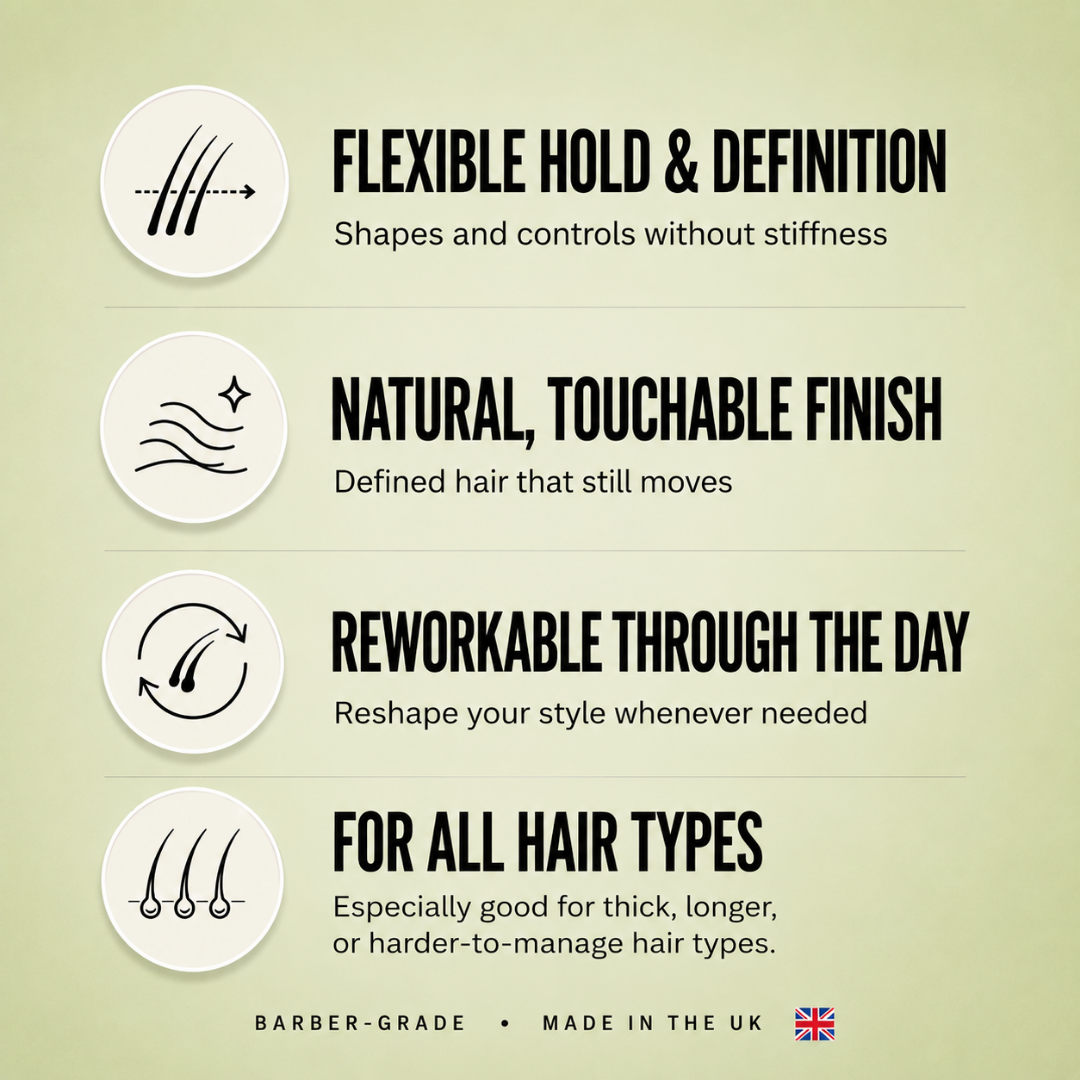
Let’s talk about the types of products that usually make the biggest difference when you want a more voluminous look. Think in terms of support for your strands and scalp: a gentle cleanser to remove buildup, a lightweight conditioner or mask that adds slip without weighing hair down, and styling helpers that improve lift and texture. If your hair feels flat by midday, it’s often a “too much moisture” or “too much residue” problem, not a total lost cause. When you choose products with a clear purpose—cleanse, condition, and style—you’ll usually see better results faster.
For daily life, the goal is simple: reduce friction, keep your strands flexible, and build a style that holds. If you’re using heavy oils everywhere, for example, you might get shine but lose lift. If you skip conditioner entirely, you might get less tangling but more frizz and breakage at the ends. The sweet spot is personal, but the direction is consistent.

Flat roots, airy crown, and a volume checklist
Myths vs. Facts
Myth 1: You can instantly make hair thicker overnight.
Fact: Most changes are about appearance—how strands lie, how light reflects, and how much volume you get from styling. Real improvements usually come from consistent routine choices and healthier-looking ends over time.
Myth 2: The more product you use, the thicker it looks.
Fact: Too much can actually flatten hair or create buildup. A light layer is often better than a heavy one, especially near the roots.
Myth 3: Heat always ruins hair, so you should avoid it.
Fact: Heat can be damaging, but it’s not the villain by itself. Using correct settings, airflow, and a heat-protective approach matters. Technique does too. If you dry by rubbing and dragging, you’ll get more breakage and frizz than you would with gentle lift and controlled drying.
Myth 4: Thicken hair means changing your genetics.
Fact: You can’t rewrite your DNA, but you can support strand health and maximize the density you already have. Many people see thicker-looking hair just by improving softness, reducing breakage, and styling for volume.
A Smart Routine for Fuller, Thicker-Looking Hair
When someone tells you their hair looks thinner, I usually ask two questions: “What happens right after you style it?” and “What happens by the afternoon?” Those answers help you figure out whether the issue is buildup, moisture imbalance, or breakage. Then you can adjust your routine without guessing.
1) Start with a scalp-friendly cleanse
Build-up can make hair look stringy and flat. If your scalp feels oily quickly or your hair looks dull, try cleansing regularly but gently. Focus on your scalp, not your ends. Let the lather rinse through the length while you keep friction low.
2) Condition with a “less near roots” mindset
Conditioner is your friend, but placement matters. Most people get better volume when conditioner is concentrated mid-length and at the ends. That way, your roots can stay light and your strands can still feel soft.
3) Add texture for lift, not heaviness
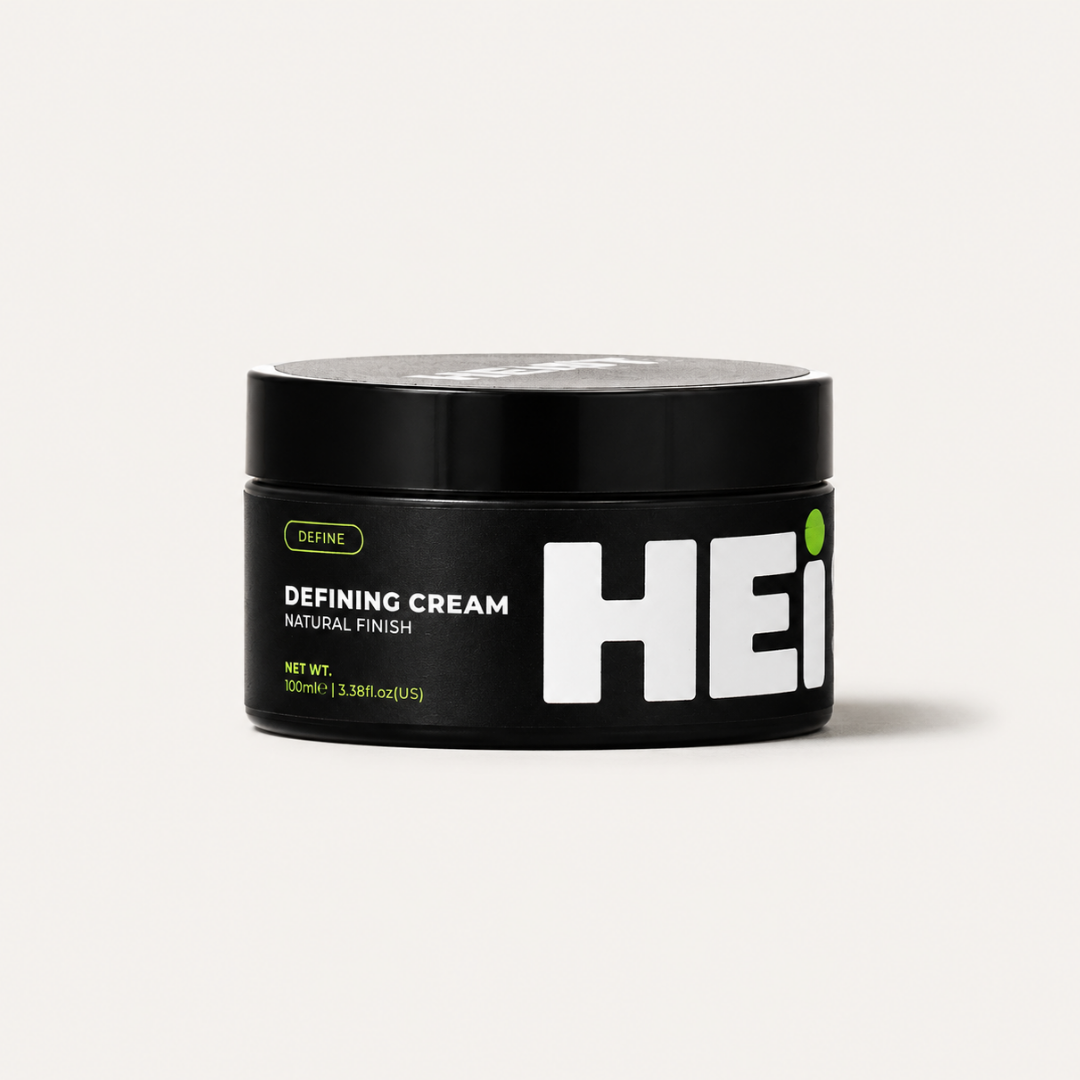
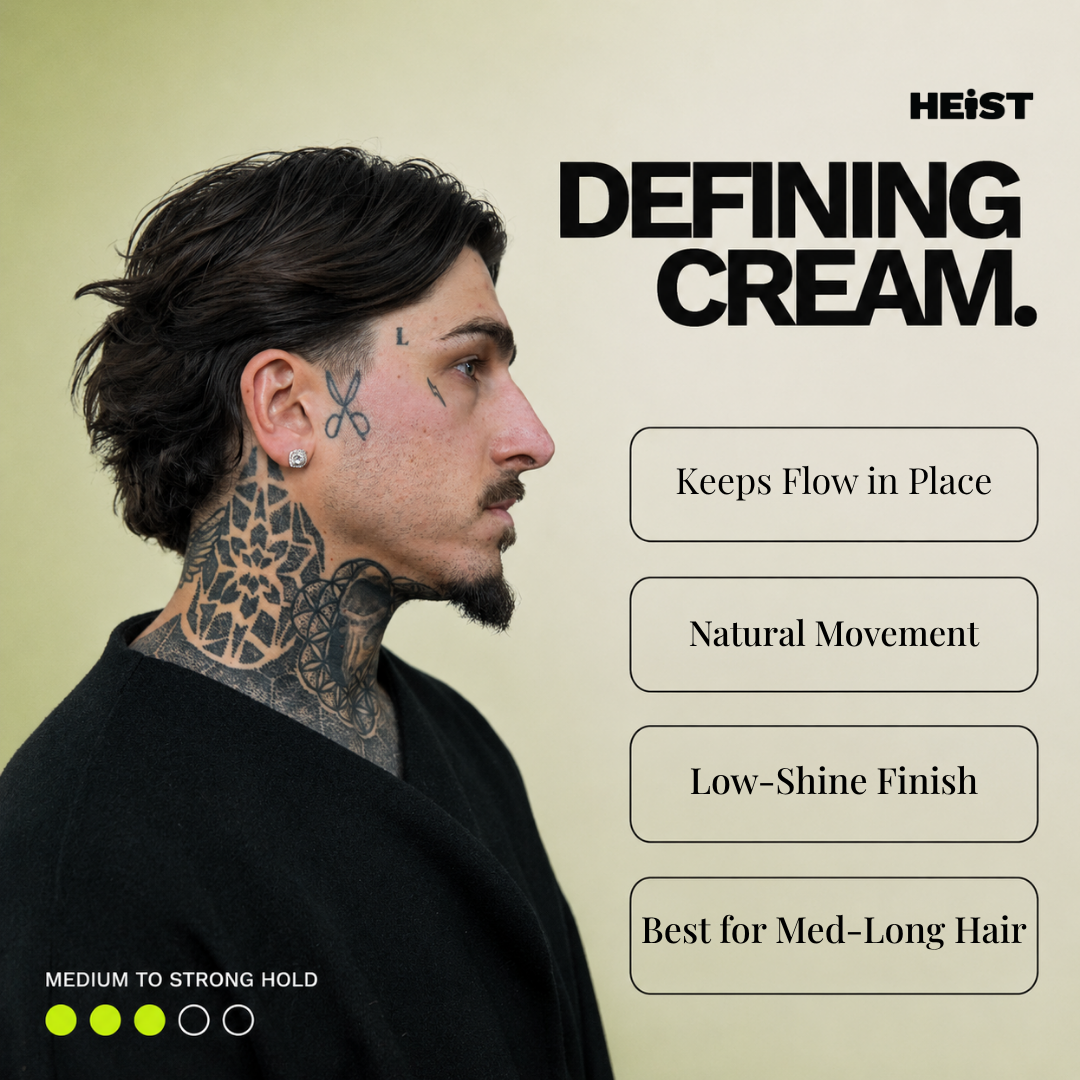
If you want thicker-looking hair, you need movement. Lightweight mousses, volumizing sprays, or flexible styling creams can give you structure. The trick is to start small and build only if your style needs it.
4) Protect strands from daily friction
Think about how you brush, how you towel-dry, and whether your pillowcase is rough on your hair. Gentle detangling, microfiber or soft towel use, and careful heat habits can reduce breakage. Less breakage means you keep more length and thickness over time.

Healthy strands, gentle brushing, and a “lift after wash” plan
Washing, Drying, and Styling That Boost Volume
Here’s where you can make a noticeable difference quickly. Volume isn’t just about products. It’s also about water management, drying direction, and how you set your style.
Washing tips that keep hair from going flat
Use lukewarm water. Very hot water can make hair feel rough and more prone to frizz.
Don’t overload conditioner. If your hair gets weighed down easily, reduce how much you use and keep it farther from the scalp.
Rinse well. Leftover residue can make hair feel coated and reduce natural lift.
Drying technique for a fuller look
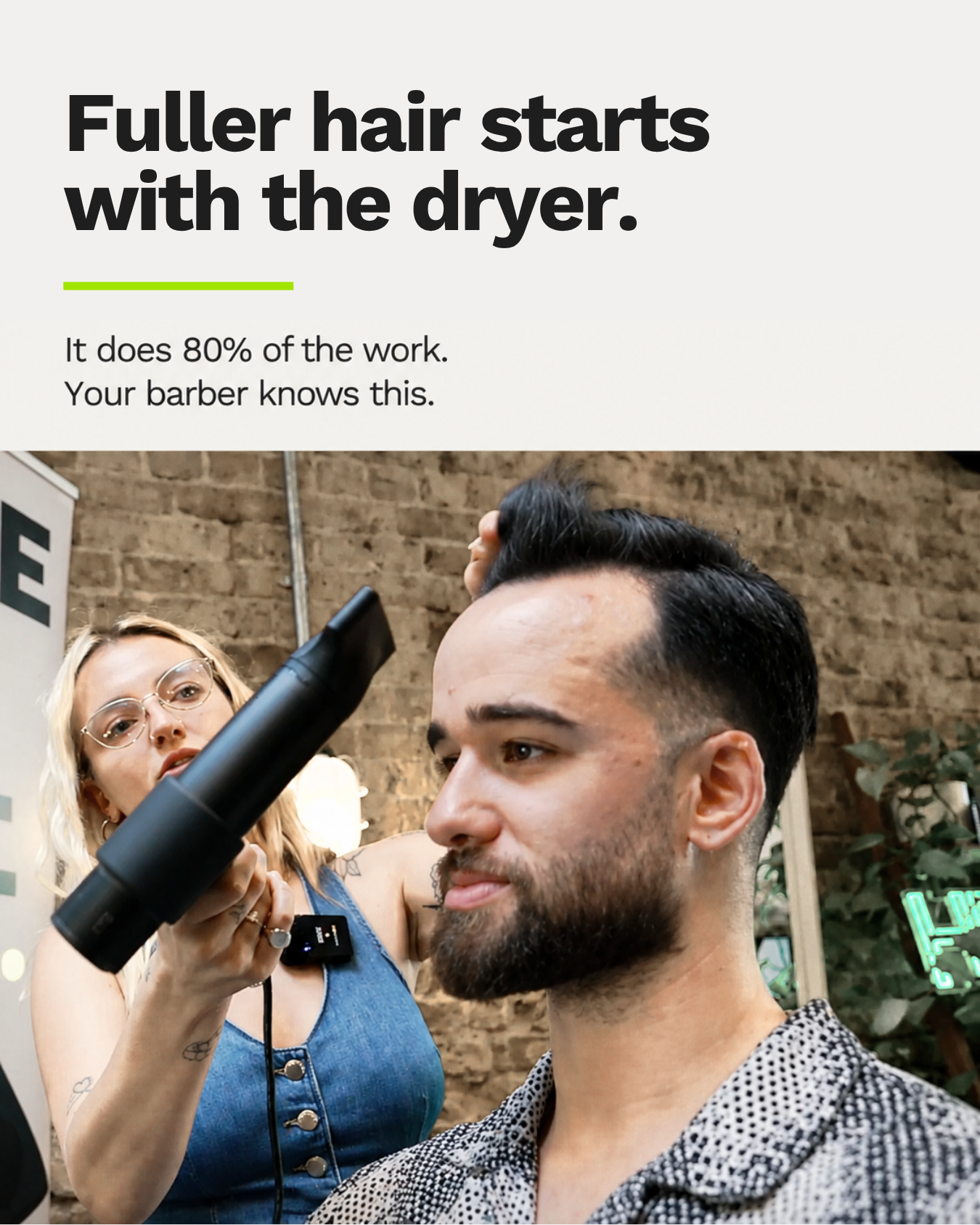
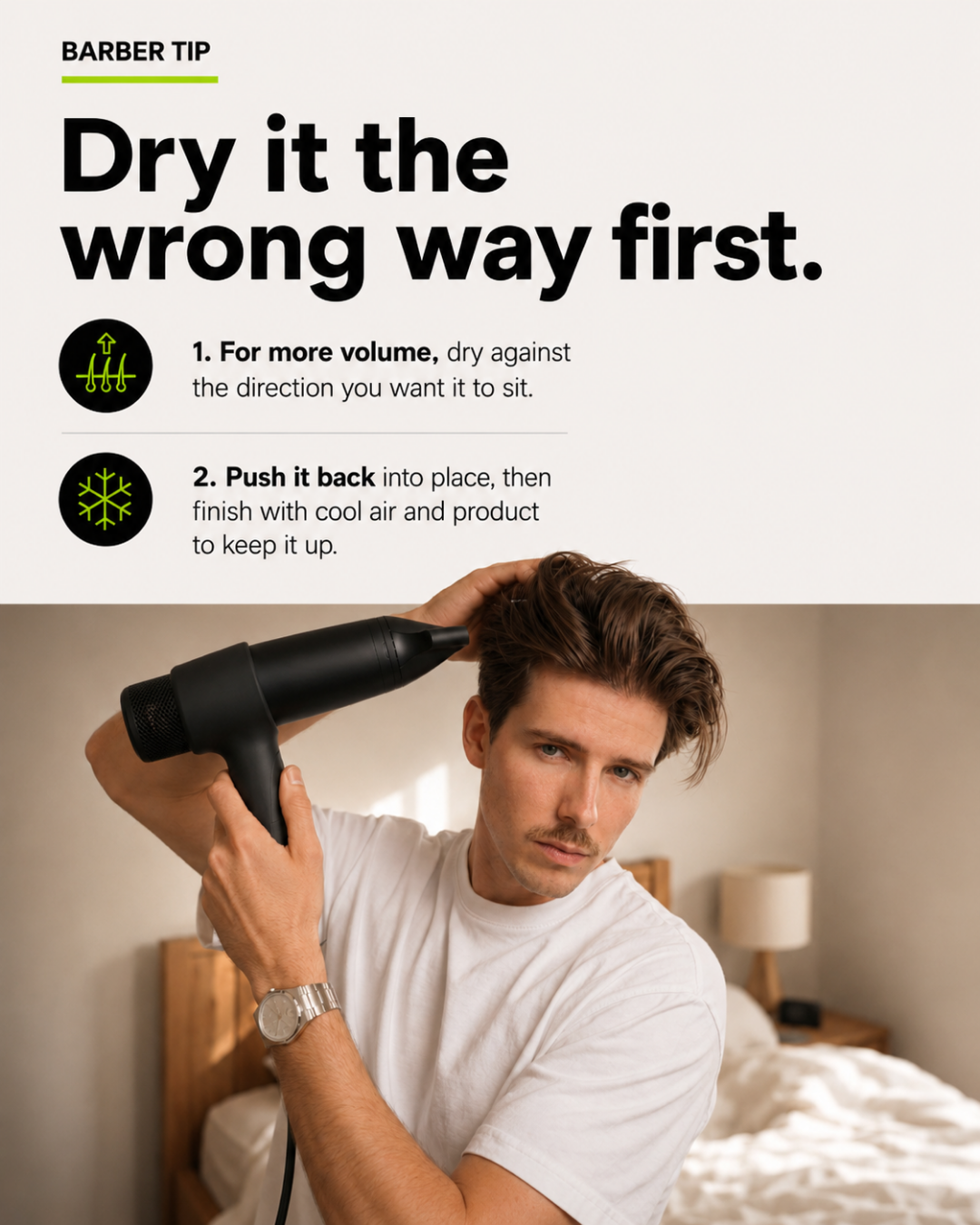
Drying is often the difference between “my hair looks great for an hour” and “my hair looks great all day.” Try drying with lift at the roots. Instead of pressing hair down, use airflow to create tension and direction. If you use a brush, keep it gentle and avoid pulling while hair is soaking wet.
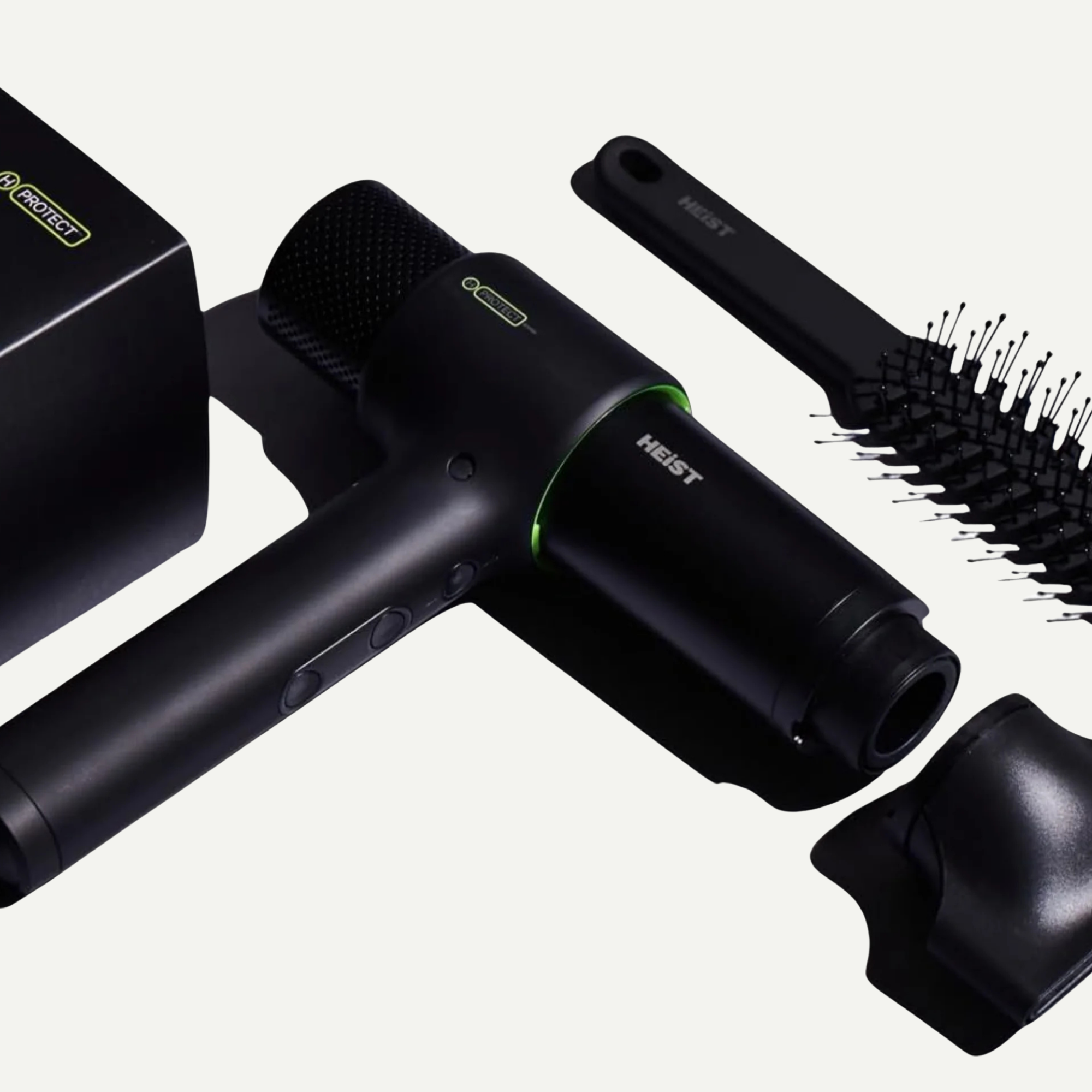
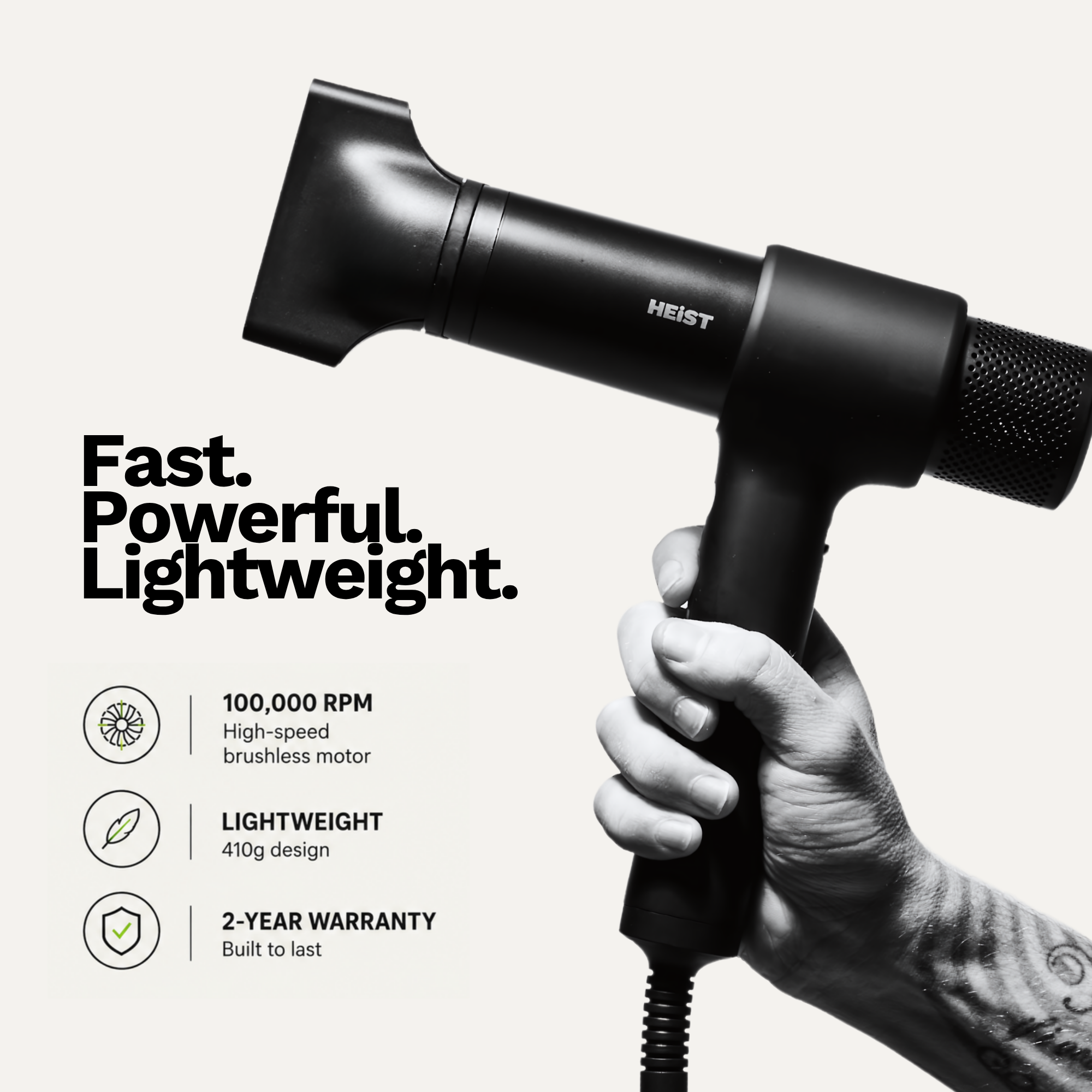
If you like faster, more controlled drying, you might find helpful inspiration in dryer technology and airflow options. For example, you can explore hair dryer options for different styling needs, and then apply the same idea: aim airflow at the roots while lifting.
Styling steps that create thickness
Prep with a light base. Apply volumizing product when hair is damp, starting near the crown.
Use sectioning. Big chunks can leave roots under-dried and flat. Smaller sections help you get consistent lift.
Lock in shape. Whether you use a brush, rollers, or a quick blowout, let the shape cool before you touch your hair too much.
Avoid heavy finishing. If you finish with too much oil or wax, you’ll trade thickness for shine. For many people, a small amount on the mid-lengths only looks best.
Heat styling without the heartbreak
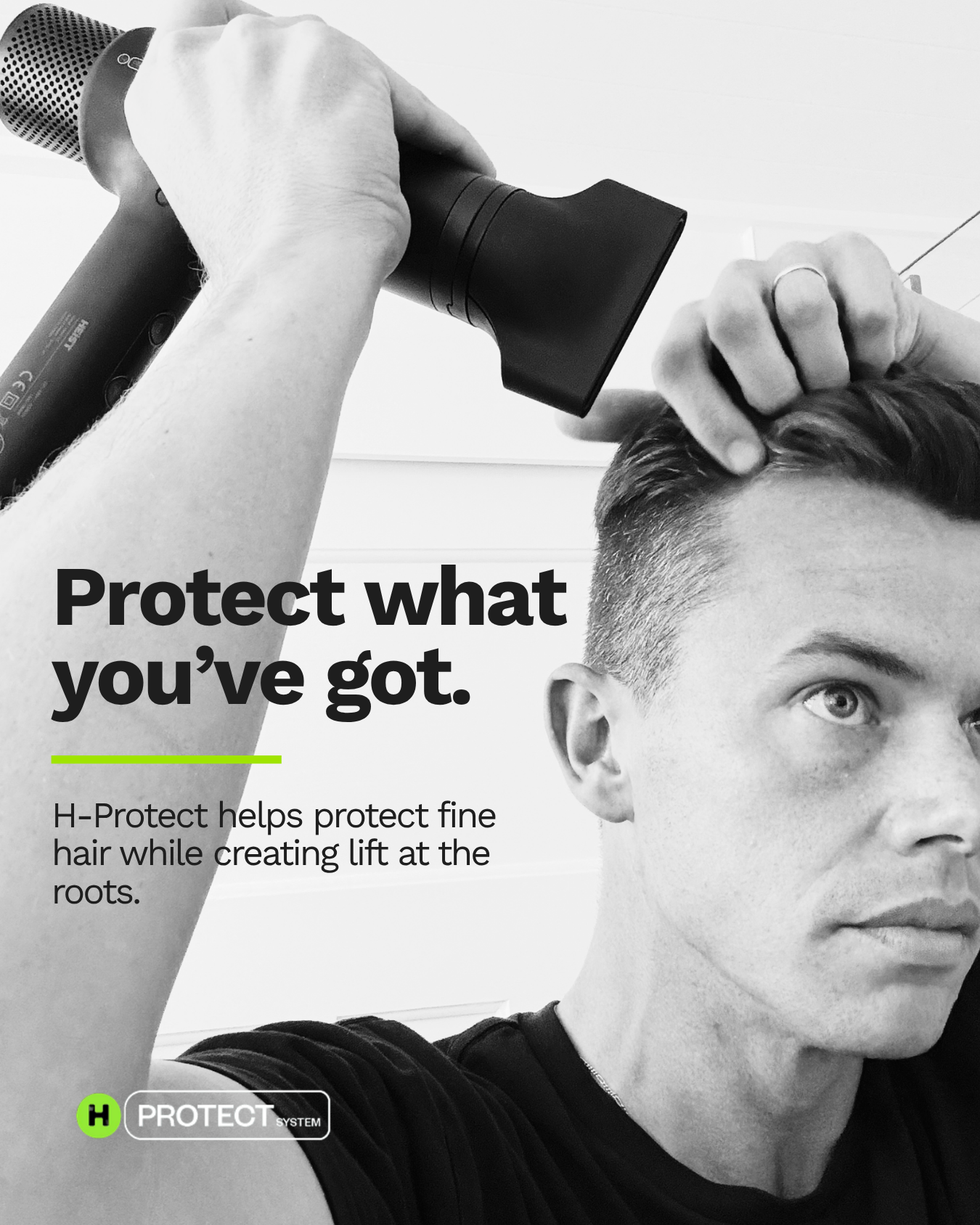
If you straighten or curl, use a heat-protective approach and choose settings that match your hair’s needs. The goal is “enough heat to style,” not “as hot as possible.” Also, don’t re-style the same section over and over. It may take a tiny bit more time, but your hair will thank you with less breakage and better overall density.
The Simple “Why It Works” Behind Thicker Appearance
Let’s make this practical. When hair looks thicker, it’s usually one or more of these things:
Less breakage. When strands stay intact, you see more of them at any given time.
Better strand flexibility. Conditioned hair bends instead of snapping, which helps it sit in a fuller way.
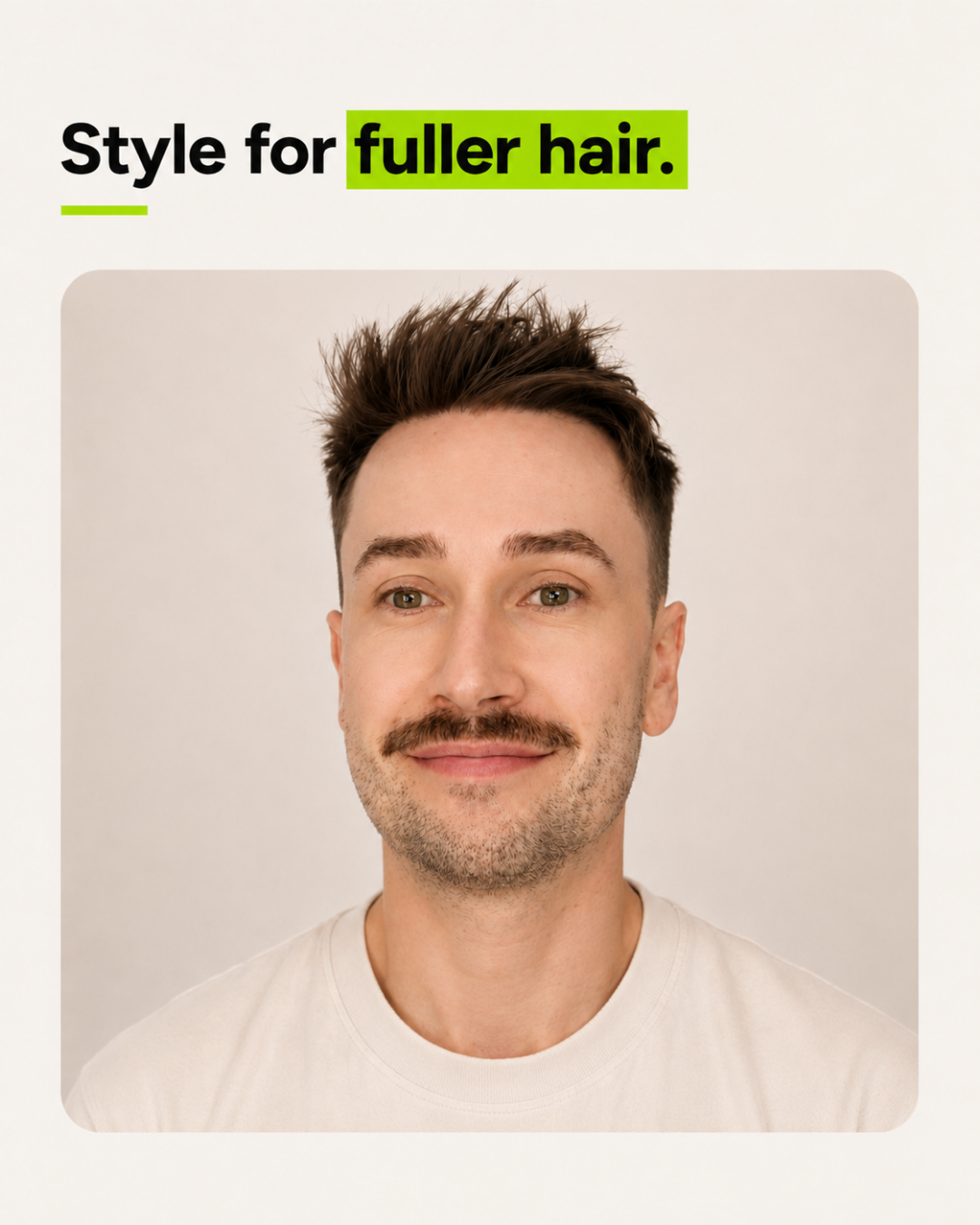
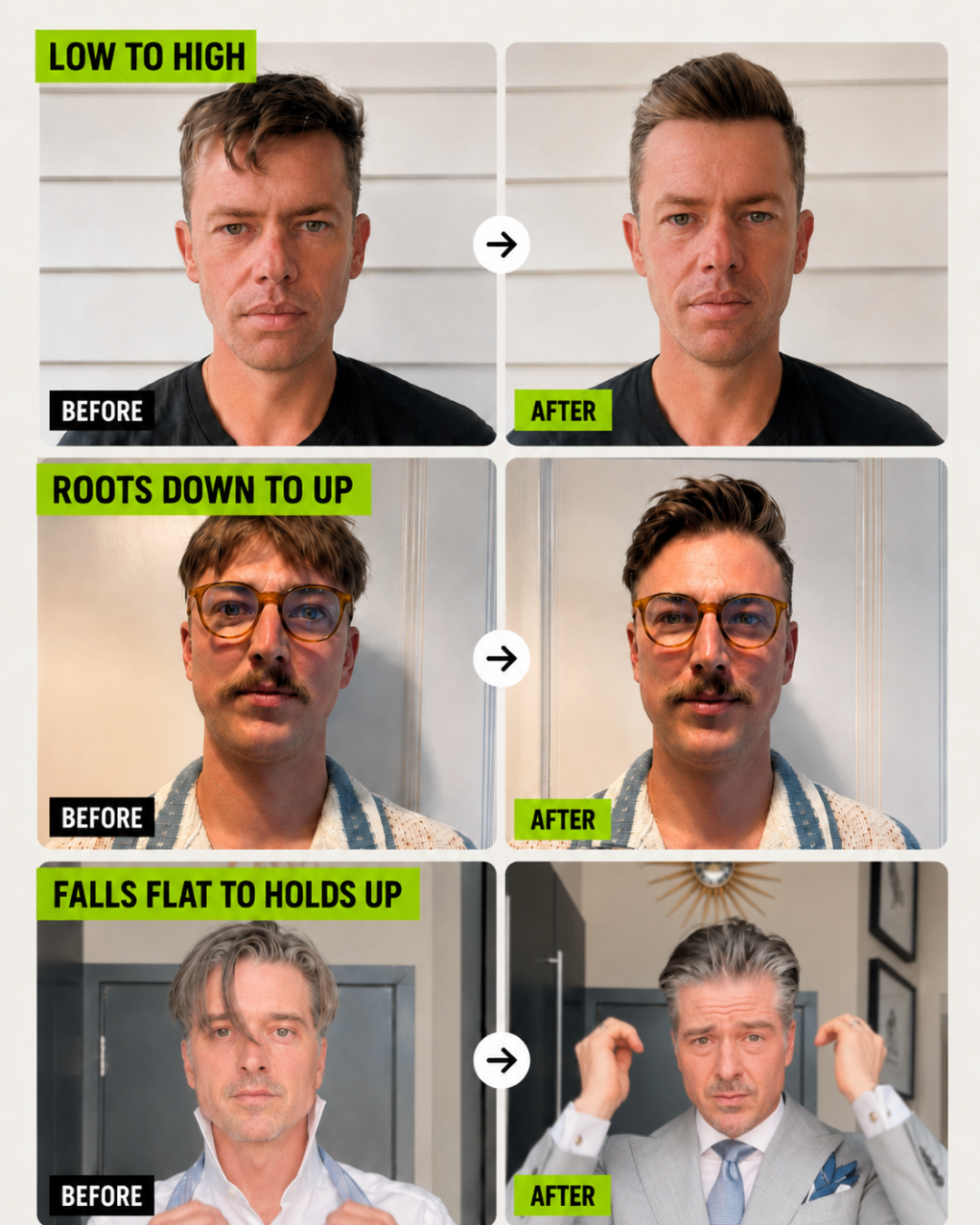
More lift. Volume near the scalp changes the shape of your whole head. Even with the same hair count, volume can make hair appear denser.
Reduced buildup. A clean scalp helps hair move naturally, not cling to itself.
One more helpful angle: hairstyles matter. If your hair is naturally straight and flat, a blunt cut or long layers with strategic volume can help. If it’s wavy, you may want a style that encourages natural texture instead of fighting it. And if your hair is curly, preserving curl pattern is often a “thicker appearance” shortcut because curls create dimension.
Tools and airflow: a quick note
Different attachments and airflow patterns can change how your style behaves. If you’re exploring dryer options, you can compare styles like straight and wavy styling versus curly and coily styling. The takeaway is not the brand—it’s the principle: look for airflow control and attachments that help you dry with lift and less rough handling.
Final Recommendations
If you want thicker-looking hair, keep your approach simple and consistent. Here’s a “do this first” list:
Cleanse the scalp gently. Don’t ignore buildup if your hair goes flat fast.
Condition strategically. Keep product mainly mid-length to ends for softness without heaviness.
Style for lift. Use light volumizing support at the crown and dry with upward movement.
Reduce breakage habits. Be gentle with wet hair, detangle calmly, and protect from excessive heat.
Adjust your routine every few weeks. If something makes your hair feel coated, scale back. If it feels dry and frizzy, add a little more conditioning to the ends only.
Most importantly, don’t chase “instant thickening.” Instead, aim for a routine that keeps your strands healthy and your style full. When your hair looks better from root to tip, it tends to feel better too—and that confidence is real.
CTA: If you’re building a routine for a fuller look, start by choosing one change you can stick with for a few wash days: lighter conditioner placement, a more focused scalp cleanse, or a volume-first drying technique. Small steps add up.
Frequently Asked Questions
What does Thicken Hair usually look like in daily life?
Most people notice a fuller crown, more volume after styling, and less “see-through” look at the scalp line. You might also feel more body in the hair when you brush or move it. Even if the total number of hairs doesn’t change, the visual effect can be dramatic.
Will volumizing products work if my hair is fine and gets oily fast?
Yes, but you’ll want to use a lighter hand. Focus product near the roots, use smaller amounts, and rinse and cleanse thoroughly. If you feel residue building up, it can make fine hair collapse, so consider adjusting both the amount and how often you cleanse.
How can I reduce hair fall that makes my hair look thinner?
Instead of panicking, look for everyday triggers. Be gentle with wet hair, detangle slowly, avoid frequent high-heat styling, and make sure your ends aren’t getting overly dry. A healthier, less brittle strand often leads to less breakage and better overall fullness.
What’s the easiest routine to try first?
Start with a scalp-friendly cleanse, condition only mid-length to ends, and use a light volumizing product at the crown. Then dry with lift instead of pressing hair down. That simple combination fixes a lot of common “flat hair” problems.
Disclaimer: This article is for general informational purposes and does not provide medical advice. Hair results vary by person and depend on many factors, including genetics, lifestyle, and hair care habits. If you’re concerned about sudden or severe hair changes, consider speaking with a qualified professional.

Sarah Courtney writes expert hair content for Heist’s blog and guides. She focuses on practical styling advice and product insights that help you nail everyday looks with salon-level results. Her work blends technical knowledge of hair tools with clear step-by-step tips you can apply at home. You can see her byline on posts like Choosing a Salon Quality Dryer for Everyday Home Styling.








Share:
Hair Protection Tips for Safer Heat Styling Every Day
Hair Health: Daily Habits for Strong, Shiny Strands