



Updated on: 2026-07-20
Hair Protection isn’t just a trendy phrase—it’s a practical way to reduce tangles, frizz, and dryness while keeping your style looking great. In this guide, you’ll learn how heat, friction, and weather can quietly damage hair over time. We’ll walk through common mistakes that make things worse, plus simple habits you can start today. You’ll also get a clear pros-and-cons view of popular protection approaches so you can choose what fits your routine.
Common Mistakes to Avoid
When it comes to Hair Protection, it’s easy to think the “right” product is the whole solution. But most damage happens because of daily habits—things you might not notice until your hair feels drier, rougher, or more tangled.
Skipping prep before heat styling
If you go straight from towel-drying to heat, your strands take a bigger hit than you need to. A good routine starts with gentle detangling and adding moisture or a protective step before you ever reach for hot tools.
Overdoing heavy products
There’s a sweet spot. Using too much thick leave-in, oil, or waxy styling product can weigh hair down and make scalp buildup more likely. That doesn’t always “protect” hair—it can trap debris and lead to dullness and tangles.
Not accounting for friction
Friction is a sneaky villain. Think about how often hair rubs against pillowcases, collars, hats, and even tote bag straps. If you never adjust your routine for those contact points, you’ll feel it in the form of frizz, breakage, and uneven texture.
Using tight styles too often
Protective styles can help, but tightness is the issue. If a style pulls at the roots or strains the hair when you move, you may protect length while still stressing your hairline. Keep an eye out for headaches, soreness, or “traction” when you take the style down.
Detangling at the wrong time
Detangling dry, without slip, is a fast way to create breakage. Even if your hair feels “manageable,” the wrong tool or sectioning method can still cause micro-snap damage that shows up later as short, uneven pieces.

Friction points labeled on hair and fabric
Pros & Cons Analysis
There are a few popular ways people approach Hair Protection. None of them are “perfect,” and that’s okay. The best plan is the one you’ll actually stick with—without turning your bathroom into a full-time job.
Heat-focused protection
This approach is all about reducing the impact of styling tools and creating a barrier against hot air and hot surfaces.
- Pros: Can help maintain smoothness and reduce puffiness when done carefully.
- Pros: Often pairs well with a quick routine, especially for everyday styling.
- Cons: If heat is too high or too frequent, protection may not be enough.
- Cons: Results vary by hair type and how consistently you prep and finish.
Moisture + sealing routines
This focuses on keeping hair hydrated and reducing moisture loss, which can make strands feel softer and look healthier.
- Pros: Great for dryness, rough texture, and flyaways.
- Pros: Helps hair hold styles better, especially after washing.
- Cons: Too much product can feel heavy or make hair limp.
- Cons: If your hair gets buildup, it can start looking dull and feel coated.
Protective styling (loose and intentional)
This includes styles that reduce daily manipulation, like braids, twists, or updos—when they’re not too tight.
- Pros: Less daily combing often means fewer tangles and less breakage.
- Pros: Can reduce friction during sleep and on busy days.
- Cons: Tight styles can cause stress at the roots.
- Cons: Going too long between take-downs may lead to difficult detangling.
Sleep and friction management
This is the “quiet” category that many people skip. But your pillow contact is daily, so small changes can add up fast.
- Pros: Can reduce frizz and preserve your style overnight.
- Pros: Helps with tangles by reducing rubbing and flattening.
- Cons: You might need to adjust your current routine to feel comfortable.
- Cons: Some fabrics can slip or tangle if you don’t secure your hair gently.
Quick Tips
Let’s make this practical. Here are simple steps you can add to your routine without overthinking. Think of Hair Protection as smart maintenance—like taking care of a good pair of shoes. You’re not babying it forever. You’re just giving it the right support.
Start with gentle detangling
Detangle in sections and use a method that gives slip. If your hair resists, don’t force it—stop and rework the section. A quick, careful pass beats a big aggressive one every time.
Use a protective heat routine when you style
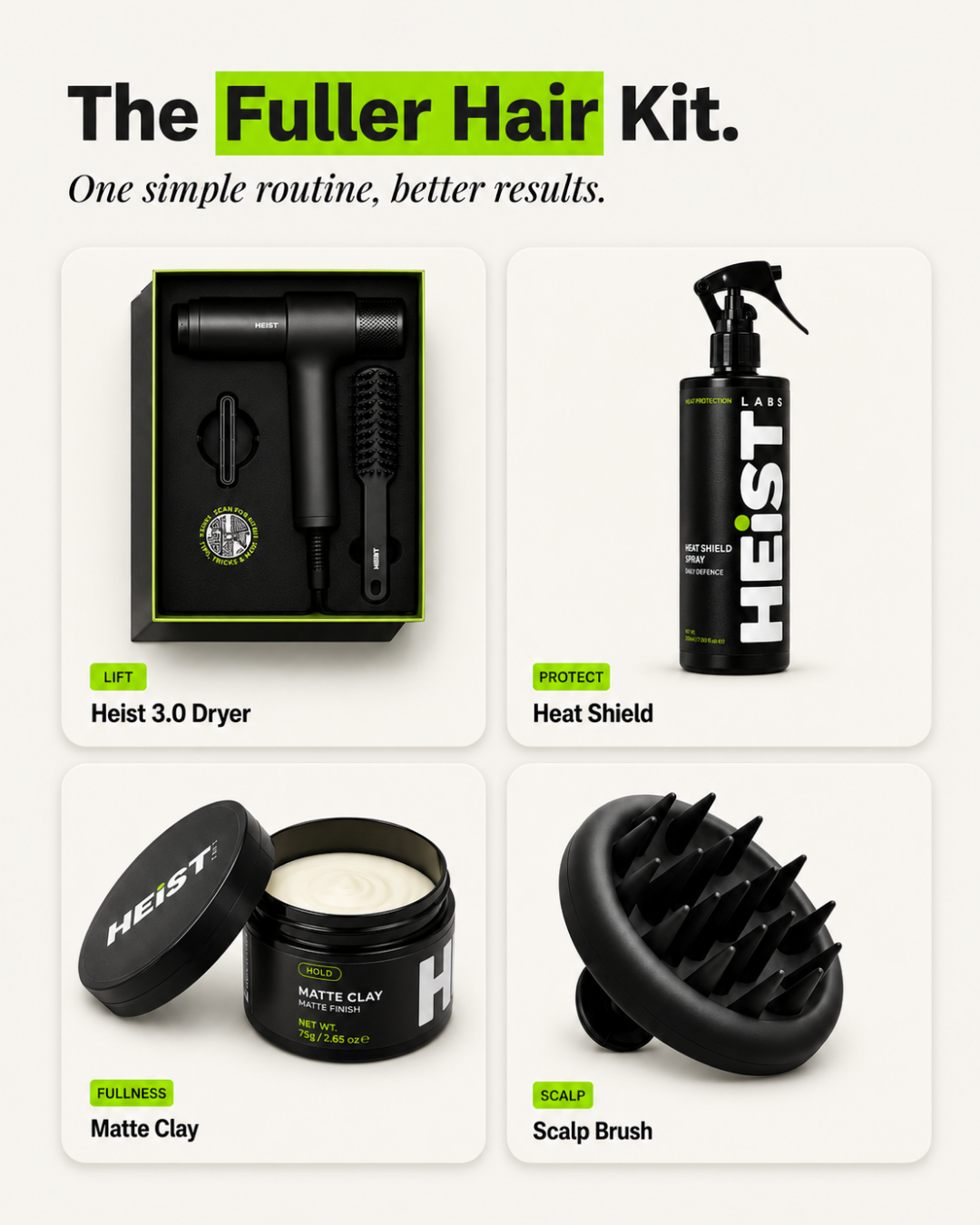
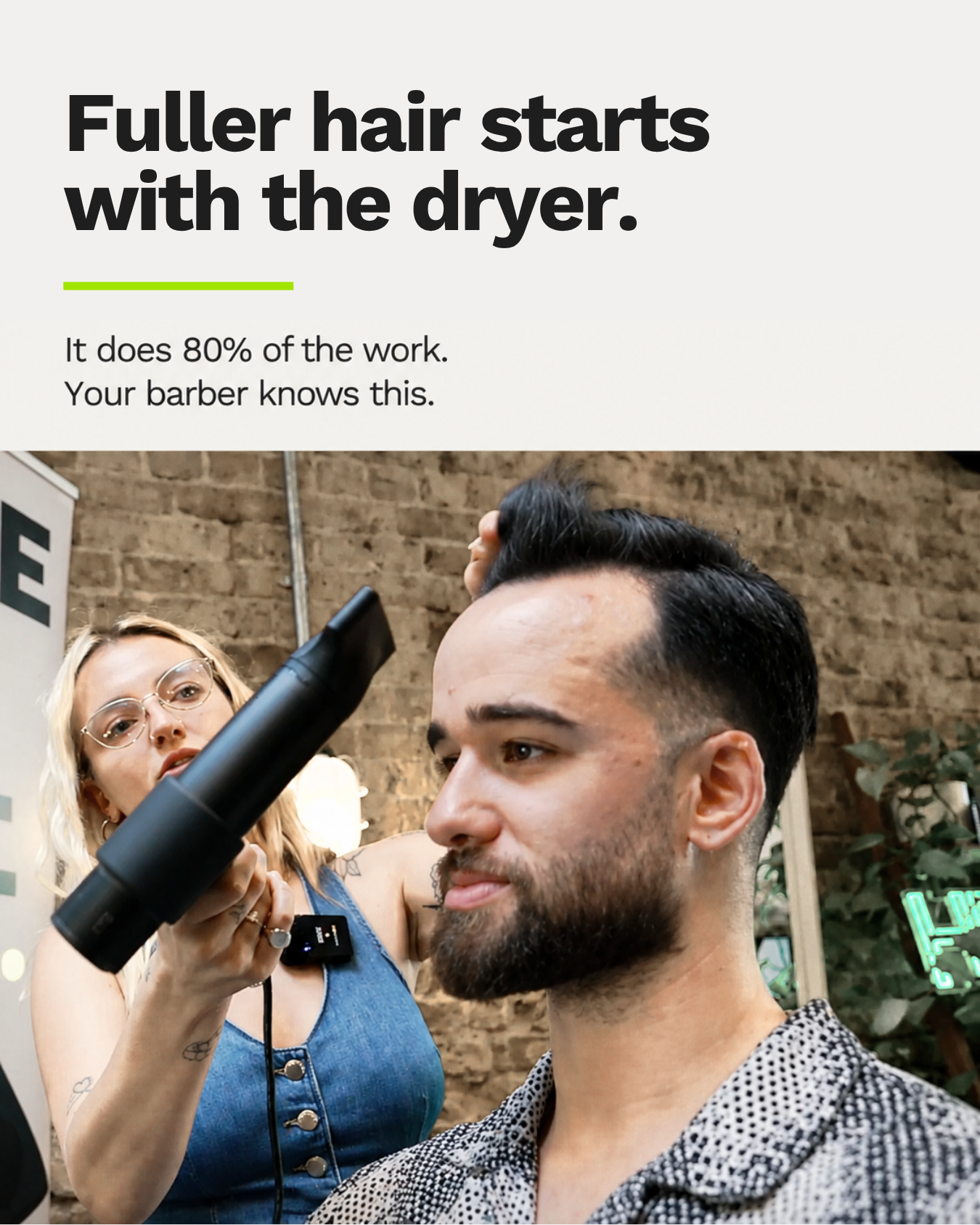
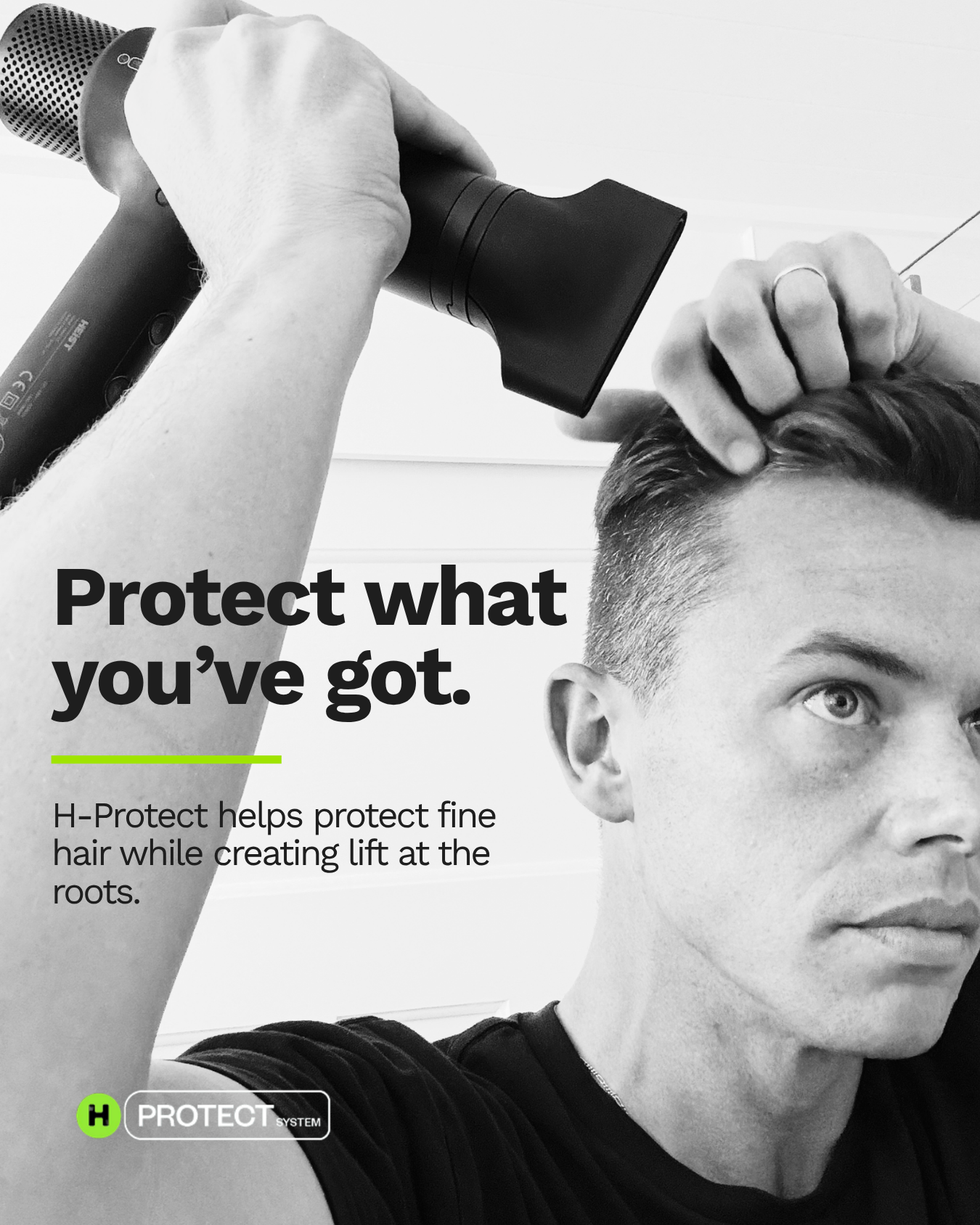
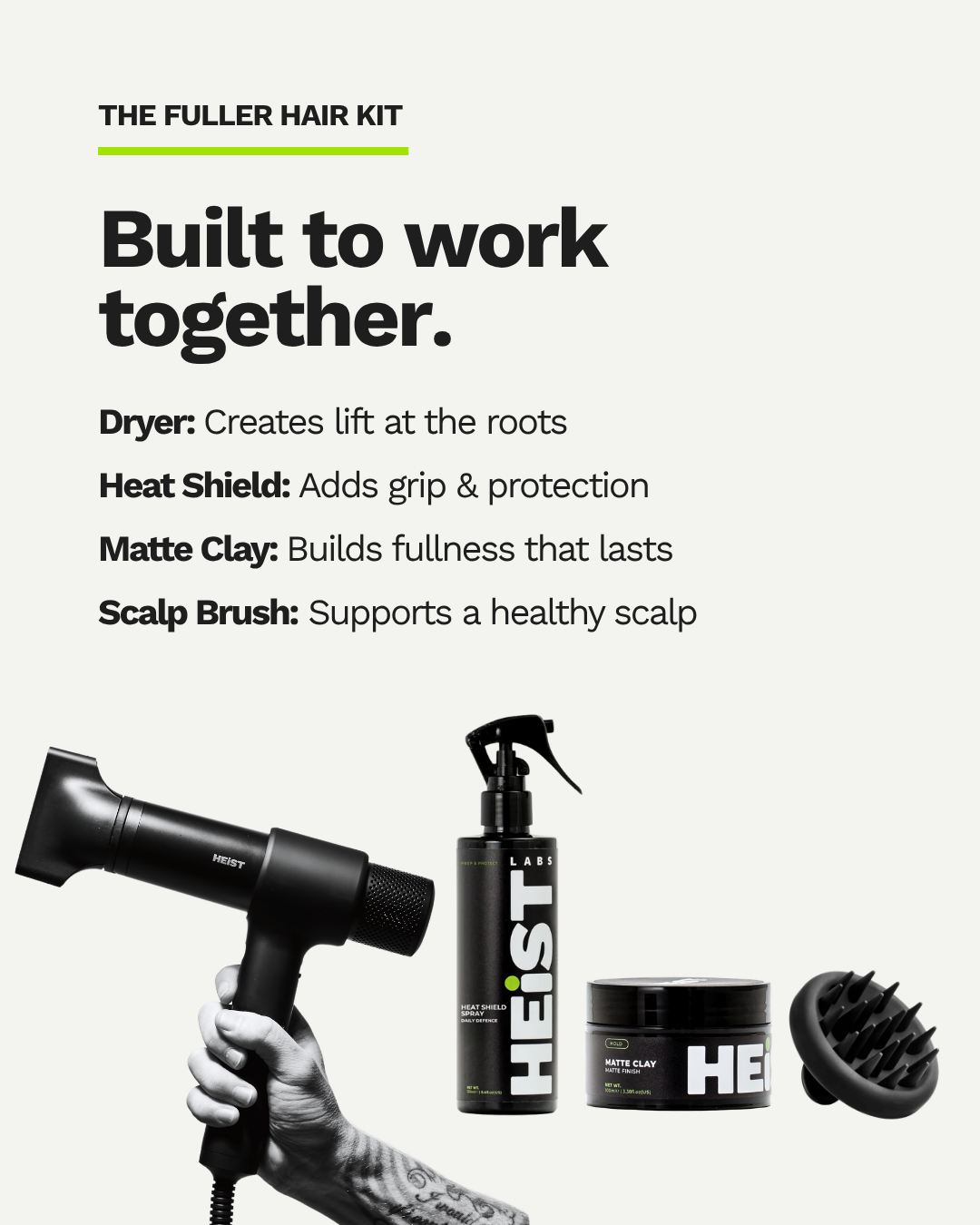
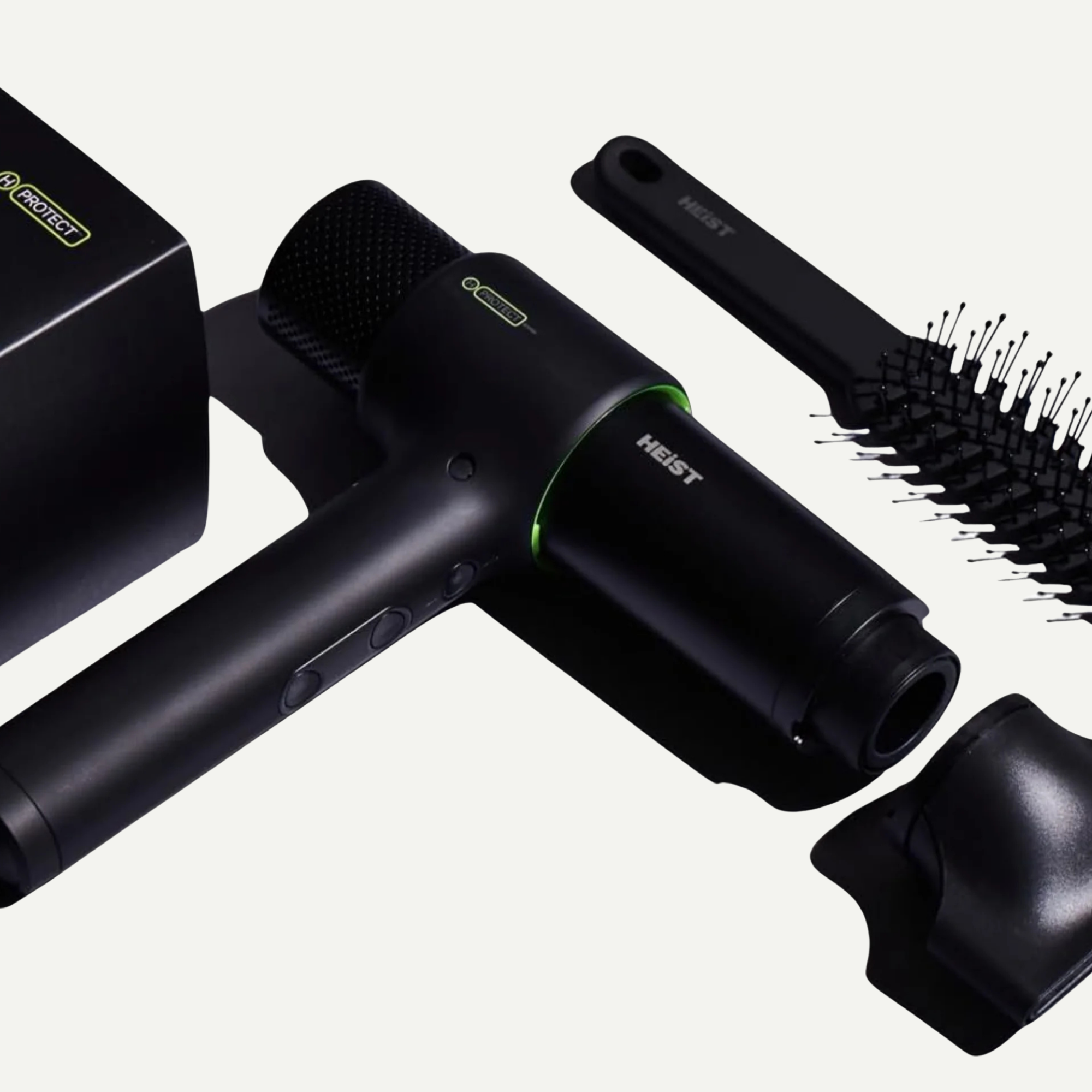
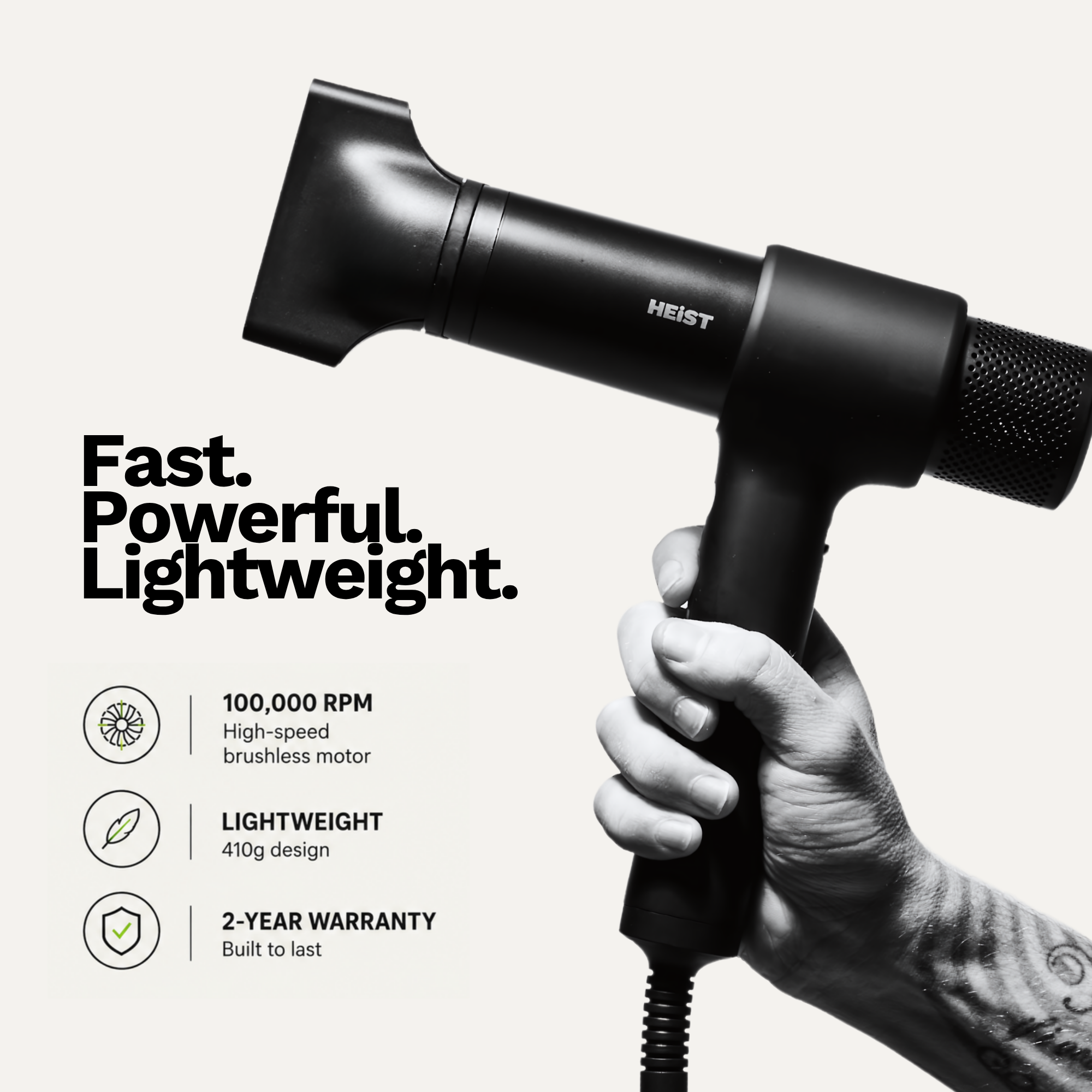
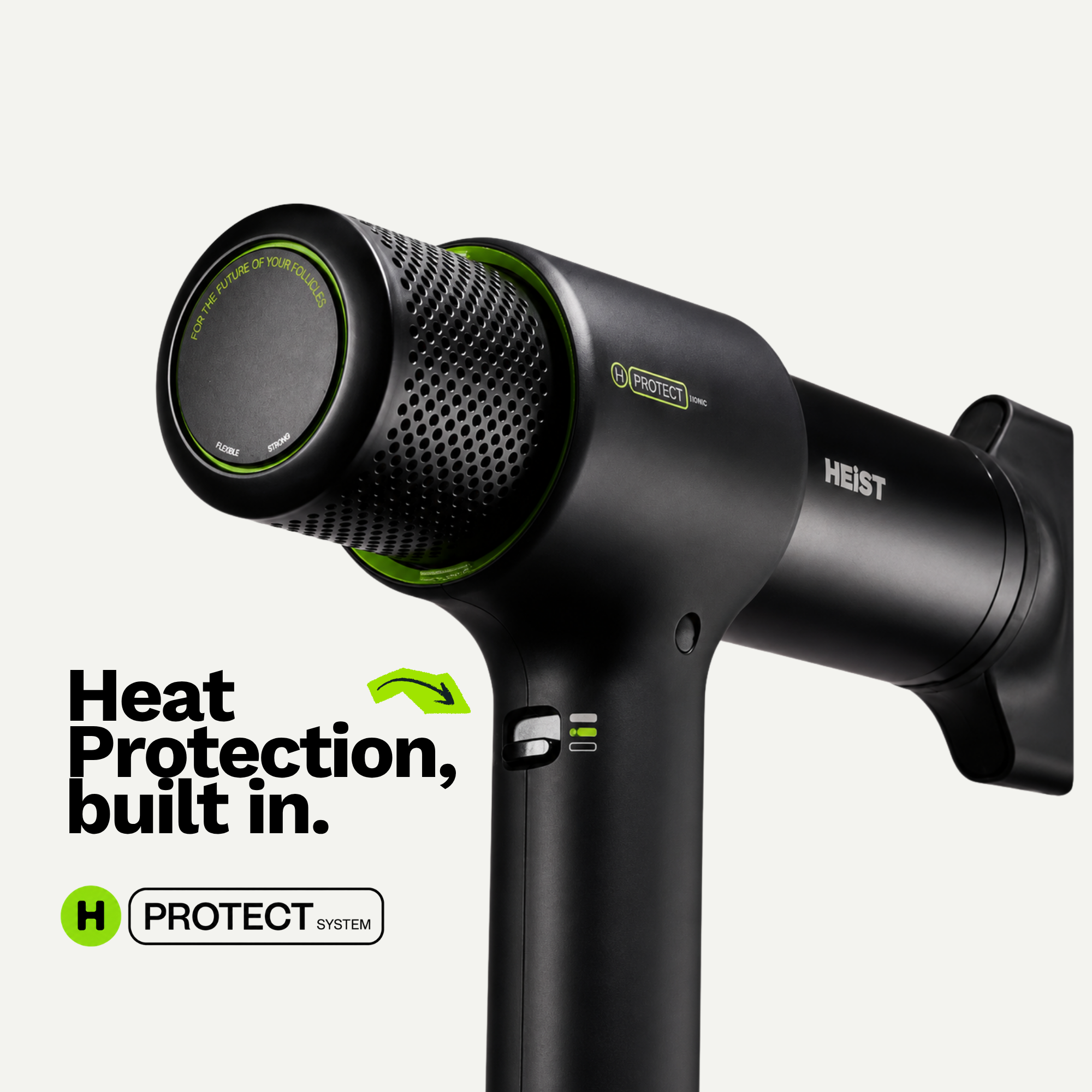
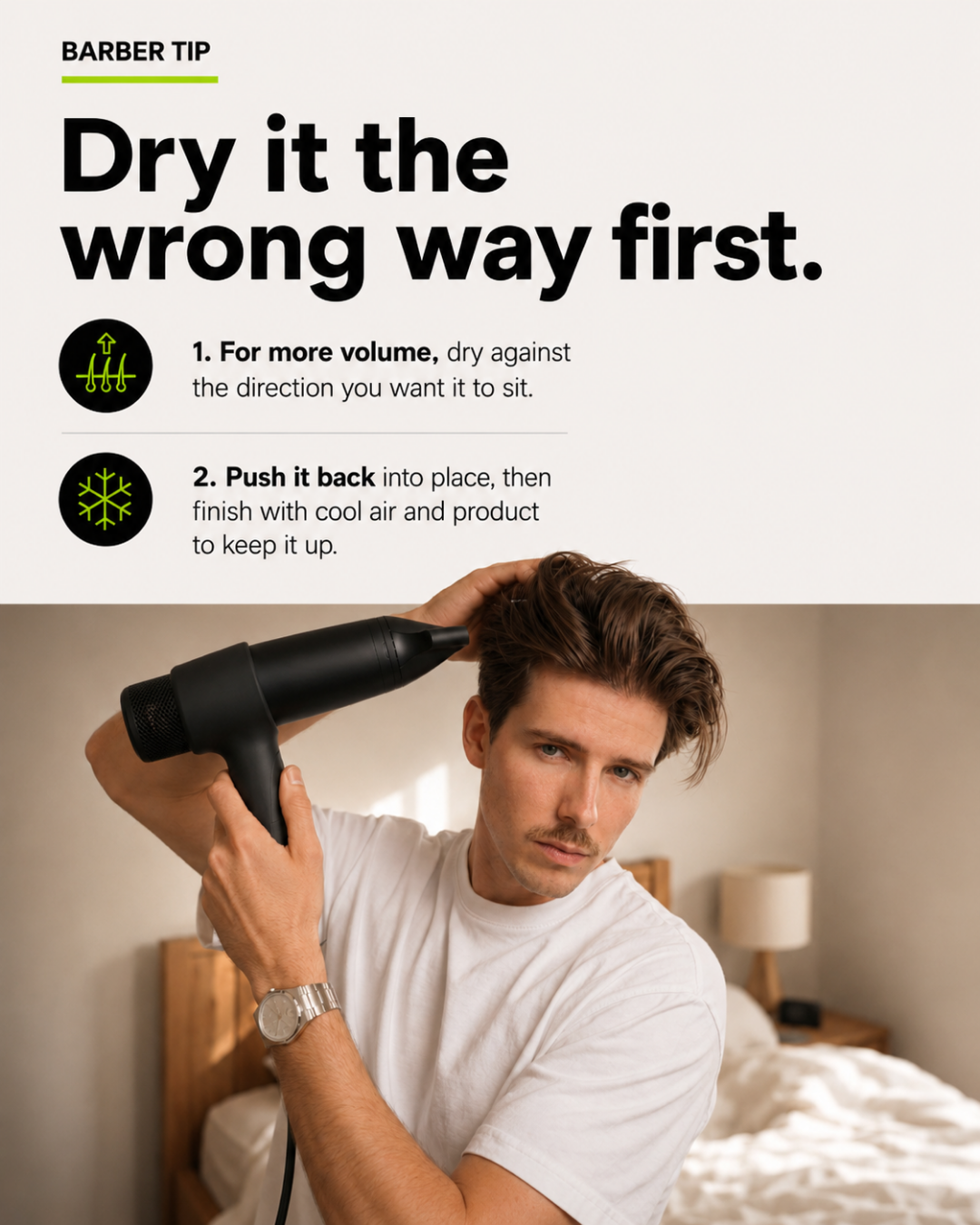
If you use hot tools, keep your process consistent: prep first, use lower heat when you can, and avoid repeatedly going over the same area. If you’re exploring options, a quality hair dryer can help you move faster with more controlled airflow.
To learn more about hair-drying approaches, you can browse Dyson’s hair dryer lineup here: Hair dryer selection guidance.
Choose friction-friendly sleep habits
Protect your hair while you rest. The goal is to reduce rubbing, tangling, and flattening. Many people find that switching up their sleep setup makes the biggest difference in morning hair mood—less frizz, fewer knots, and smoother texture.
Refresh between washes instead of restarting
Not every day needs a full wash day cycle. Try a light re-moisturizing step on dry areas and do quick touch-ups on tangles. This keeps hair protected without constantly stripping your routine.
Mind the weather
Wind, humidity, and dry indoor air all affect your hair. In humid weather, you may need a little extra smoothing or anti-frizz support. In dry weather, focus on moisture and sealing. You’ll notice less “random” frizz when you adapt.
Keep styles loose and check comfort
Protective styles should feel secure, not tight. If you feel pulling, soreness, or tension at the hairline, loosen the style. The best protective routine lets you move freely while minimizing manipulation.
Don’t ignore scalp care
Healthy hair starts at the scalp. If you overload with product or never cleanse, you can end up with buildup that makes hair feel rough and less flexible. Keep scalp care balanced so your lengths can stay protected.

Routine flow showing cleanse, detangle, protect, sleep
Build a “minimum effective” routine
You don’t need 12 steps. A simple routine might look like this: gentle detangle, add moisture, apply a protective step when styling, then manage friction at night. Over time, that consistency does more than chasing the newest trend.
If you want to compare hair-drying features for faster, gentler drying, you can explore dryer color and accessory categories on Dyson’s site: Hair dryer features to consider (and remember, you don’t have to buy anything today to start improving your technique).
Wrap-Up & Key Insights
Hair Protection works best when you treat it like a system, not a one-time product purchase. Watch out for the common slip-ups: skipping prep before heat, ignoring friction, detangling the wrong way, and choosing styles that are too tight. On the flip side, the pros are real—less tangling, improved softness, and more consistent results from wash to sleep.
Start small. Pick one area to improve this week—heat prep, friction at night, or gentle detangling. Once you see how your hair responds, it gets easier to build momentum. You’ve got this, and your hair will thank you in the form of less stress and more confidence in your everyday look.
Note: This article is for general informational purposes and does not replace advice from a qualified professional. If you’re dealing with ongoing scalp issues, severe breakage, or irritation, consider speaking with a dermatologist or other licensed hair professional.
Q&A
What does Hair Protection actually mean in a daily routine?
It means reducing the things that stress your hair day after day: heat, friction, dryness, and excessive manipulation. In practice, it can include gentle detangling, a protective step before styling, and sleep habits that keep hair from rubbing against rough fabric.
How do I protect my hair without making it feel greasy or heavy?
Use product based on hair needs, not the fear of “not enough.” Start with small amounts of leave-in or protective care, focus on the lengths (not overloading the scalp), and adjust after you wash. If your hair feels coated or limp, scale back and simplify.
Are protective styles always the best option for damage prevention?
Protective styles can help because they reduce daily combing and manipulation. But they work best when they’re not too tight, when you take them down in a reasonable timeframe, and when you still care for your scalp and lengths. Comfort and gentleness are the real keys.
Can I protect hair if I still want to use heat styling?
Yes. The goal is to use heat in a controlled way: prep first, avoid repeated passes over the same section, and choose a temperature that lets you finish efficiently. Pair that with moisture and friction management, and your hair usually feels noticeably better over time.

Sarah Courtney writes expert hair content for Heist’s blog and guides. She focuses on practical styling advice and product insights that help you nail everyday looks with salon-level results. Her work blends technical knowledge of hair tools with clear step-by-step tips you can apply at home. You can see her byline on posts like Choosing a Salon Quality Dryer for Everyday Home Styling.






Share:
Men’s Hair Dryer Guide for Faster, Safer Styling