


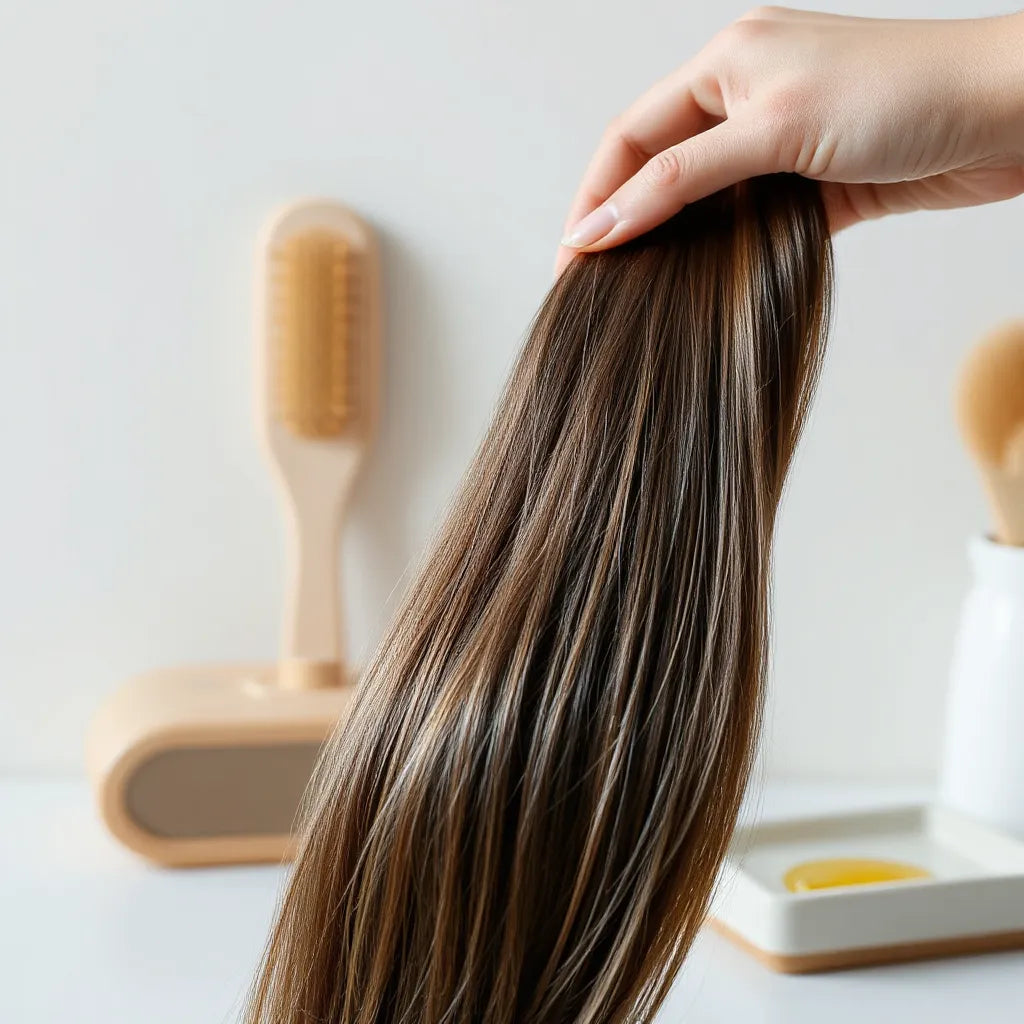
Updated on: 2026-09-21
If your hair feels dry, looks dull, or sheds more than usual, you’re not alone. Hair Health isn’t about chasing one miracle product—it’s about building steady habits that support your scalp and strands. In this guide, you’ll learn what actually helps, which common myths to ignore, and how to set up a simple routine you can stick with. You’ll also get practical “start here” steps for choosing gentle care and heat-smart styling.
Hair Health Product Spotlight: What to Look For
Let’s make this easy. When you’re trying to support Hair Health, you don’t need a complicated shelf—you need smart basics. Look for gentle cleansers that don’t leave your scalp feeling tight, conditioners that soften without heaviness, and treatments that target specific issues like dryness, frizz, or buildup. If you color or heat style, prioritize products that help improve manageability and reduce the look of damage over time.
A great starting point is a shampoo and conditioner pairing designed for everyday use. Then, add one optional “support step” (like a mask or leave-in) when your hair needs a boost. Think of it like eating well: you can’t fix everything with dessert, but a supportive step can help you feel better overall.

Scalp, strands, and hydration icons in balance
Myths vs. Facts About Hair Health
There’s a lot of noise online. Here are a few myths I want you to stop believing—because they can accidentally steer you away from results.
Myth: “More shampoo means cleaner hair.”
Fact: Over-washing can strip natural oils, especially if your shampoo is strong or you lather every day. Many people do better with a schedule that matches their scalp’s needs. If your hair feels squeaky or tangled after washing, that’s a sign to soften the routine.
Myth: “If my hair is frizzy, it means it’s unhealthy.”
Fact: Frizz often comes from dryness, rough cuticles, or humidity effects. That doesn’t automatically mean your hair is “damaged beyond help.” With better conditioning and a heat-smart approach, frizz usually improves.
Myth: “Heat styling is always bad.”
Fact: Heat isn’t automatically the enemy—uncontrolled heat is. Using the right settings, protecting with leave-in products, and avoiding repeated passes can make a huge difference in how hair looks and feels.
Hair Health Quick Habits That Add Up
Want results that don’t feel exhausting? Focus on small daily choices. They won’t fix everything overnight, but they can reduce breakage and improve how your hair behaves.
- Detangle gently: Use a wide-tooth comb or a soft brush. Start from the ends and work upward. If your hair fights back, you’re probably going too fast or skipping conditioner.
- Be mindful with towel drying: Skip aggressive rubbing. Blot or squeeze lightly, then let hair finish drying in a softer way.
- Protect at night: If you wake up tangled often, consider a satin or silk-friendly approach (like a smooth pillowcase). Less friction usually means less breakage.
- Watch product buildup: Heavy styling products can dull hair and make it feel coated. Clarifying occasionally can help reset your scalp and strands.
If you’re thinking, “Okay, but where do I start?”—you’re exactly where you should be. Let’s turn these habits into a simple routine.

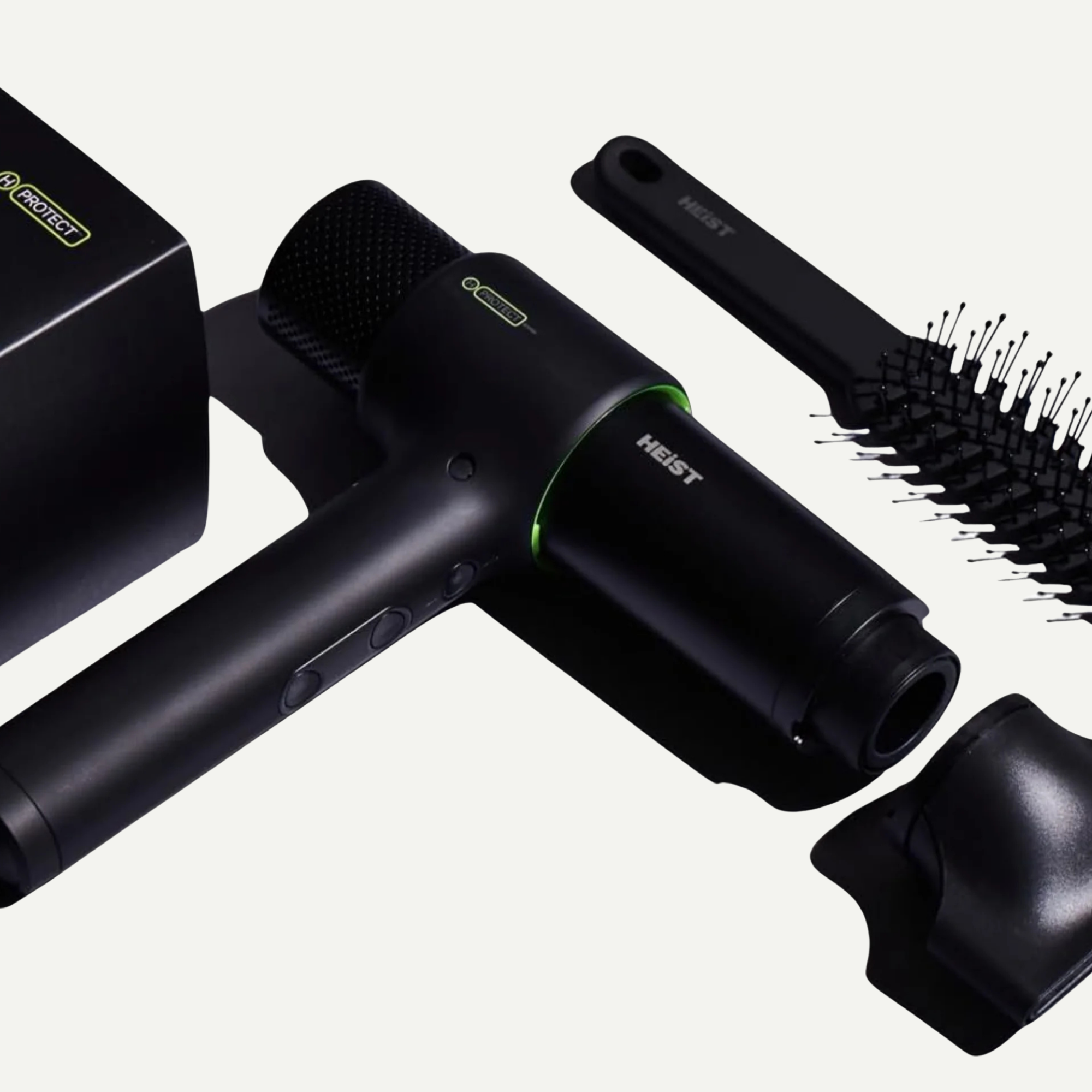
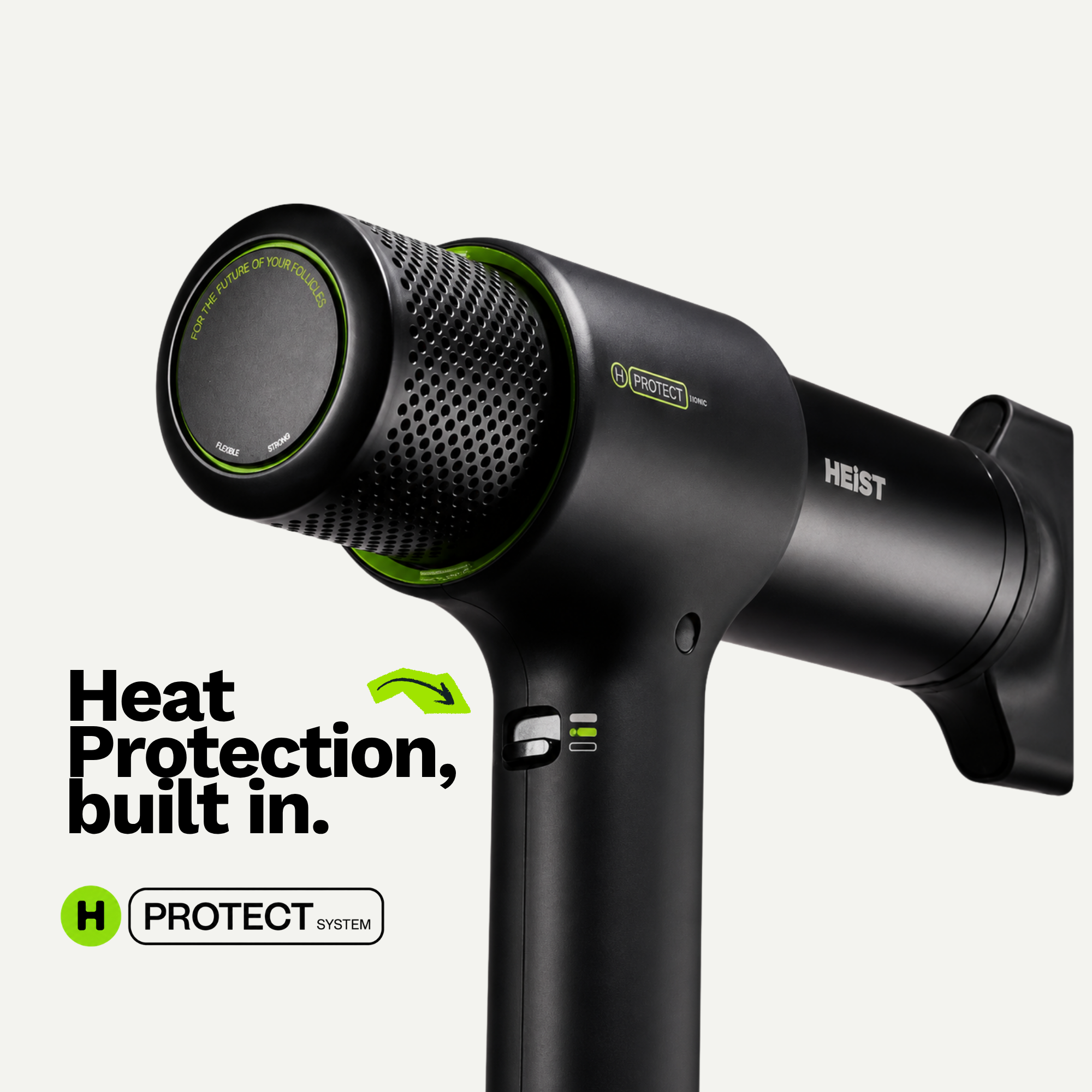
Heat protection tools, temperature dial, and airflow lines
Build a Routine You’ll Actually Keep
The best routine is the one you can repeat. Instead of trying to overhaul everything at once, pick a few steps and refine them over time.
Step 1: Choose a gentle cleanse
Your scalp needs cleansing, but it also needs respect. If your hair feels dry after washing, your cleanser may be too harsh or you may be using too much product. Try using shampoo mainly on the scalp, then let the lather run through the lengths without piling on extra.
Step 2: Condition with intention
Conditioner is not just “extra.” It helps your hair feel smoother, reduces tangling, and supports styling. Focus conditioner on mid-lengths to ends. For thicker hair or very dry hair, you can leave it on a little longer. For fine hair, keep it lighter to avoid flatness.
Step 3: Add one “treatment” step
Pick one: a mask, a leave-in conditioner, or a smoothing treatment. Use it when you actually need it—like after a dry season, after color, or when your ends feel rough. Consistency matters more than frequency.
Step 4: Adjust based on your results
If your hair feels weighed down, reduce the amount of conditioning product. If it feels rough or frizzy, add a small leave-in step or improve detangling. Hair Health is personal. Your best routine depends on your hair type, your climate, and how often you style.
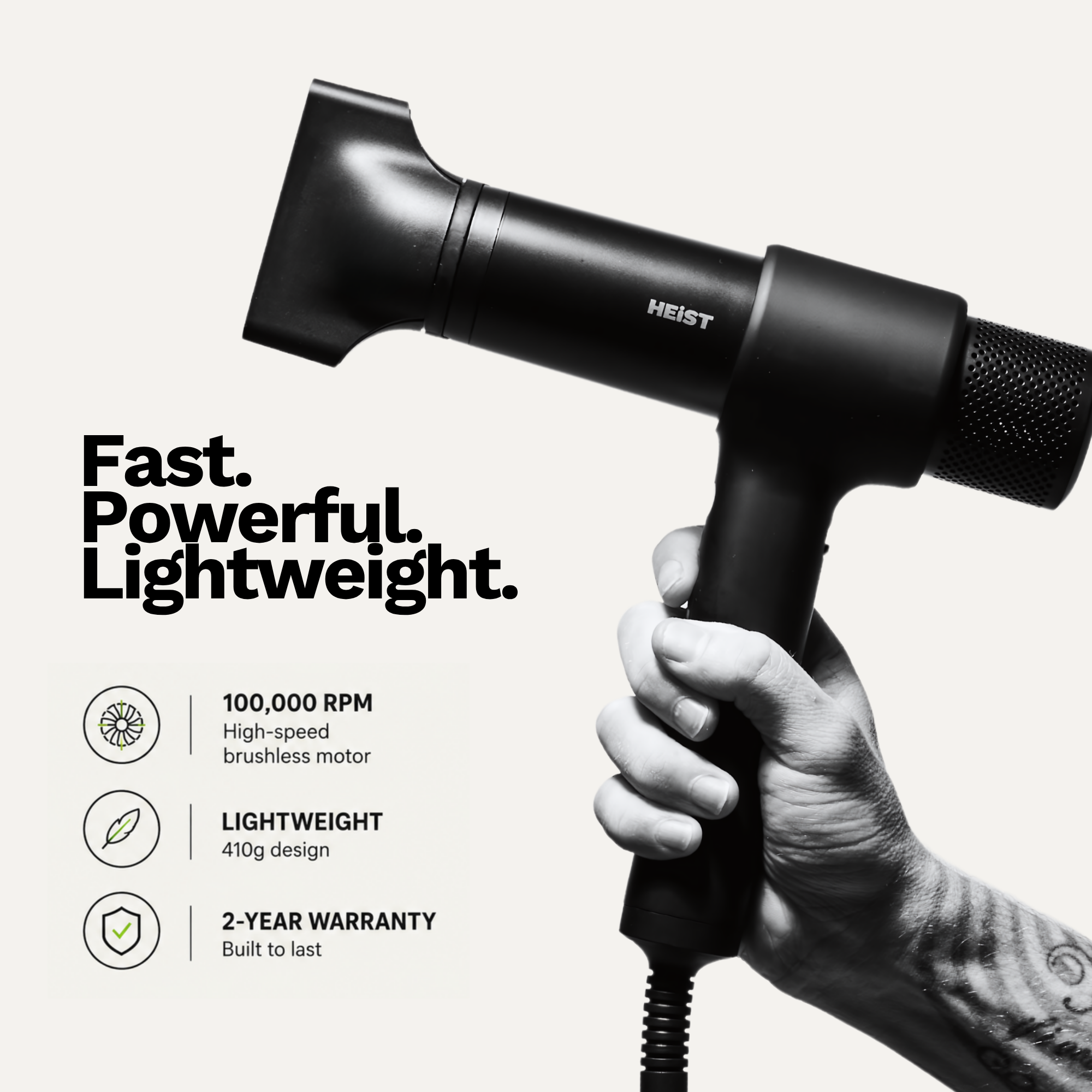
By the way, if you style with tools often, choosing the right drying approach can support your routine. A high-quality hair dryer with smart heat control can help you dry faster and reduce repeated passes. If you’re curious, you can explore options from Dyson hair dryers as a starting point for heat-smart styling.
Heat and Styling: How to Be Kind to Your Hair
Let’s talk about the real-life part—styling. You don’t need to ban heat forever. You just need to use it with a plan.
Use the right temperature and airflow
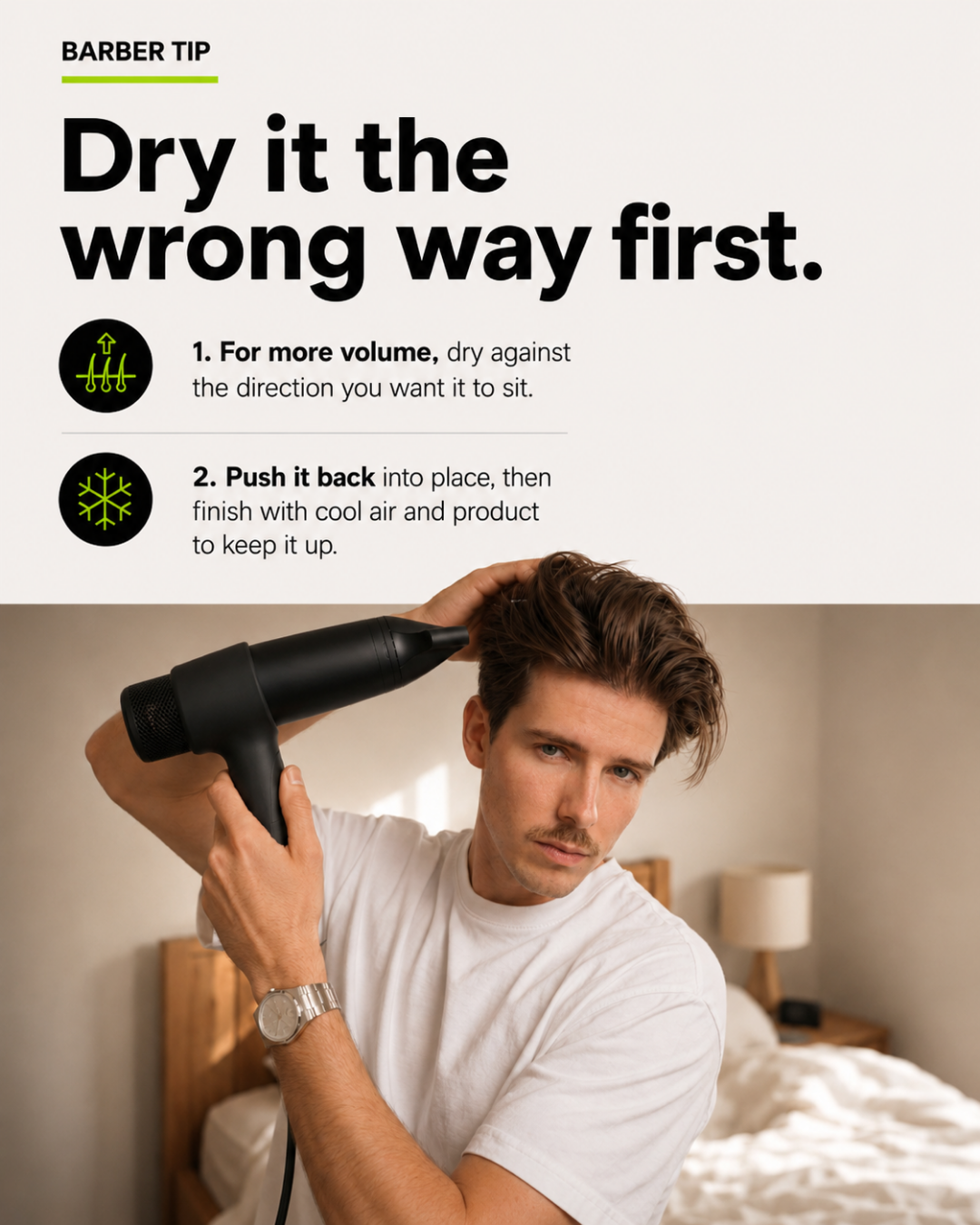
High heat for too long can make hair feel dry and rough. Instead, aim for the lowest effective heat setting and keep the dryer moving. Faster drying usually means less time exposed to heat.
Prep before you style
Before heat, apply a leave-in conditioner or heat-protective product suited for your hair type. This can help with smoothness and reduce the look of frizz. Even a simple prep step can make styling feel easier and less damaging.
Reduce the number of passes
Repeated strokes over the same section can be what turns “fresh blowout” into “crispy ends.” Work in sections, style once, and let hair cool before you touch it too much.
Don’t skip your texture support
Curly, wavy, and coily hair often needs extra moisture and gentle handling to avoid frizz. Straight hair may benefit from lightweight smoothing so it looks polished without feeling greasy. No matter your texture, treat your hair like it has preferences.
If you like a targeted approach, you can browse specific dryer styles and attachments on the Dyson site for guidance on features that fit different hair textures—like smoothing airflow or curl-friendly styling. For example, you can check curly and coily options and compare what each setup is designed to do.
Frequently Asked Questions
How do I know what my hair health needs most: moisture, protein, or both?
Start by observing your hair’s behavior. If it feels stretchy, gummy, or breaks easily when brushed, it may be lacking structural support. If it feels stiff, rough, or brittle even after conditioning, it may need more moisture. Many routines benefit from both, but it’s smart to make changes gradually so you can tell what actually helps.
Is it better to wash hair daily or less often?
There isn’t one answer for everyone. If your scalp gets oily quickly, you may need more frequent washes. If your scalp feels comfortable and your hair stays manageable with fewer washes, you can go longer. A simple rule: aim for clean scalp comfort without making your hair feel stripped or tangly.
Can I improve Hair Health if I use heat styling?
Yes. The goal isn’t perfection—it’s better technique. Use heat protection, choose lower settings when possible, dry efficiently, and avoid repeated passes. Pair that with conditioning and gentle detangling, and you’ll usually see your hair look smoother and feel stronger over time.
What’s the biggest mistake people make with hair care?
Trying to do everything at once. Swapping every product, changing every step, and experimenting with new tools in the same week makes it hard to figure out what’s working. Instead, change one thing at a time and give your hair a little runway.
Final Recommendations
If you want Hair Health to feel more achievable, focus on basics done well. Start with a gentle cleanse, condition consistently, and choose one optional treatment step that matches your needs. Then, make heat styling kinder by prepping first, using smart settings, and reducing repeated passes.
Here’s a simple “today” plan you can try: check how your scalp feels after washing, make sure you’re conditioning from mid-lengths to ends, and be gentler with detangling. If you style with heat, use protection and aim for efficiency. Small shifts add up faster than you’d think.
Want to explore heat-smart styling tools? You can browse straight and wavy options on the Dyson site to help you match features to your routine.
Disclaimer: This article is for general informational purposes only and does not provide medical advice. Results vary based on individual hair type, routines, and product choices. If you have scalp concerns such as persistent irritation or significant hair loss, consider consulting a qualified healthcare professional.

Sarah Courtney writes expert hair content for Heist’s blog and guides. She focuses on practical styling advice and product insights that help you nail everyday looks with salon-level results. Her work blends technical knowledge of hair tools with clear step-by-step tips you can apply at home. You can see her byline on posts like Choosing a Salon Quality Dryer for Everyday Home Styling.





Share:
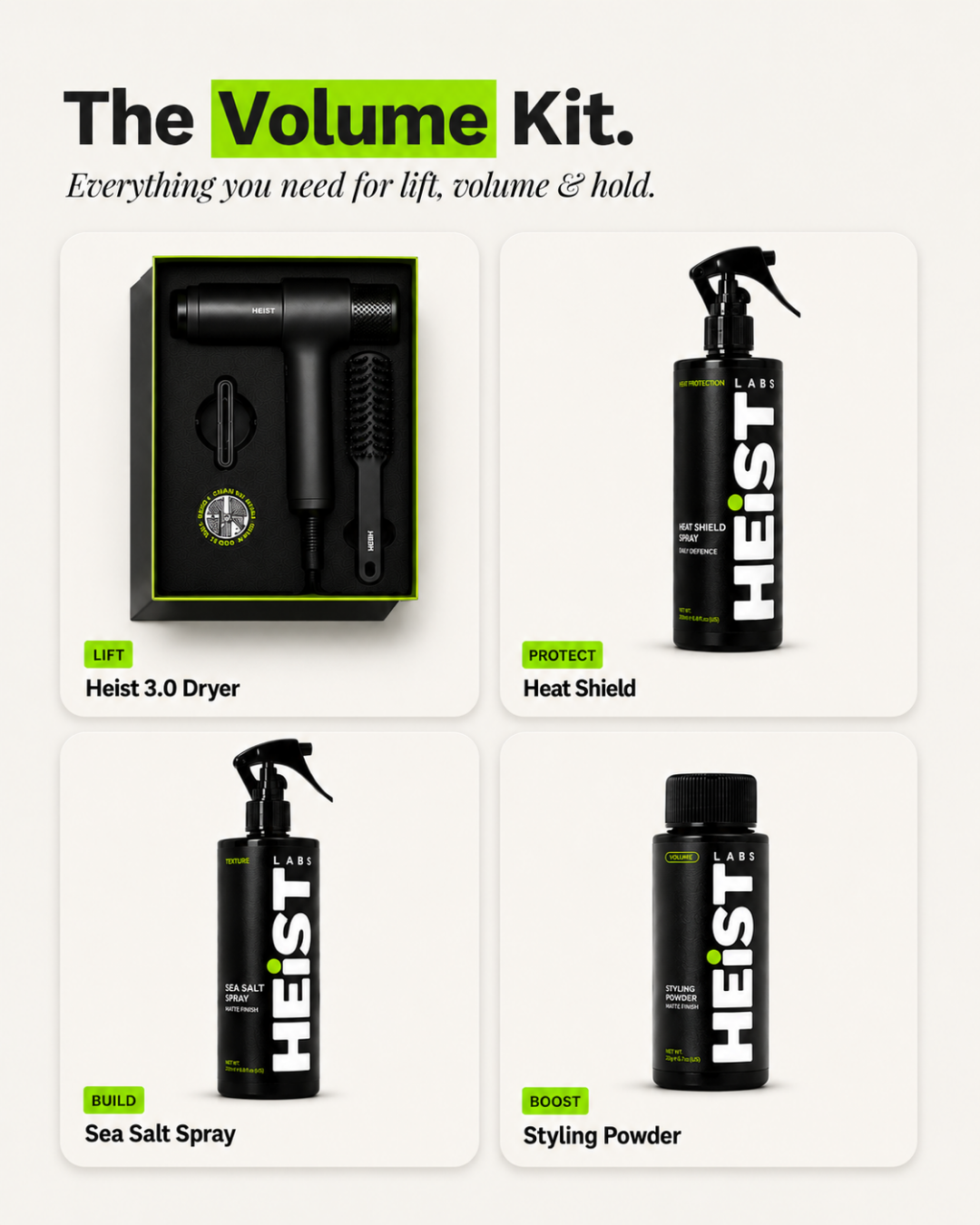
Thicken Hair: Simple Routine for Fuller Volume