


Updated on: September 14, 2026
If you’re trying to thicken hair or make it look fuller, you’re not alone. Many people with fine or thinning-looking strands want a routine that actually feels manageable.
The good news: you can build volume using smart washing habits, conditioning techniques, and styling choices that don’t weigh your roots down.
In this guide, we’ll walk through common reasons hair looks less dense, what to do instead, and how to choose tools and products that support a thicker look.
By the end, you’ll have a practical plan you can start today—no complicated rules required.
2. Why Hair Looks Thinner (Even When It’s Not)
3. A Routine to Thicken Hair with Real-Life Steps
Common Challenges
Let’s be honest—hair that doesn’t look as full as you want can be frustrating. Sometimes it’s shedding, sometimes it’s breakage, and sometimes it’s just that your hair behaves differently than you remember. If you’re aiming to thicken hair, you’ll usually run into one or more of these challenges:
Flat roots: Fine hair can lose lift fast, especially in humid weather or after a heavy wash day.
Breakage and frizz: When strands feel rough or snap at the ends, length looks thinner overall.
Scalp dryness: A tight or flaky scalp can make hair feel less comfortable and look dull.
Product buildup: Oils, gels, and certain conditioners can leave a coating that weighs hair down.
Inconsistent styling: Skipping heat or rushing the blow-dry can lead to a “not quite together” look.
The solution isn’t one miracle step. It’s usually a combination of gentle cleansing, smart conditioning, and styling that supports volume where you want it most—at the roots and mid-lengths.
Why Hair Looks Thinner (Even When It’s Not)
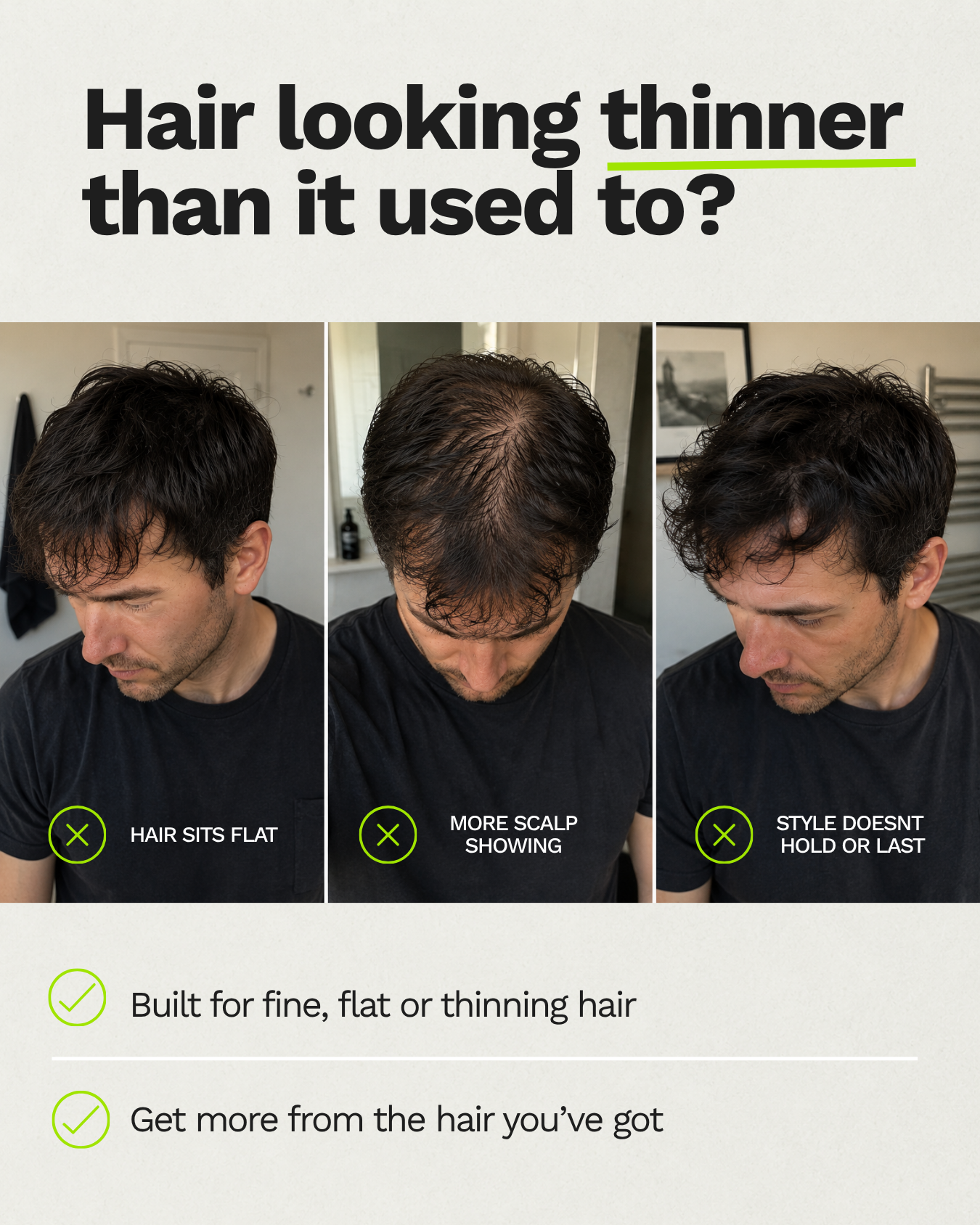
A quick mindset shift helps a lot: “thicker hair” is often about visual density as much as it is about actual strand diameter. Here are some everyday reasons hair can appear less dense:
Your strands are clumping: Product residue can make hair stick together, so it looks flat and fewer strands are visible.
Your cuticles aren’t smooth: Roughness from dryness or heat exposure can cause tangles and frizz that blur the outline of your style.
Your roots get weighed down: Conditioning too close to the scalp or using heavy creams can reduce lift.
Too much heat too soon: Heat without proper prep can lead to dryness and breakage, making the ends look wispy.
Low-traction hair habits: Tight ponytails, harsh detangling, and aggressive towel drying can add friction damage over time.

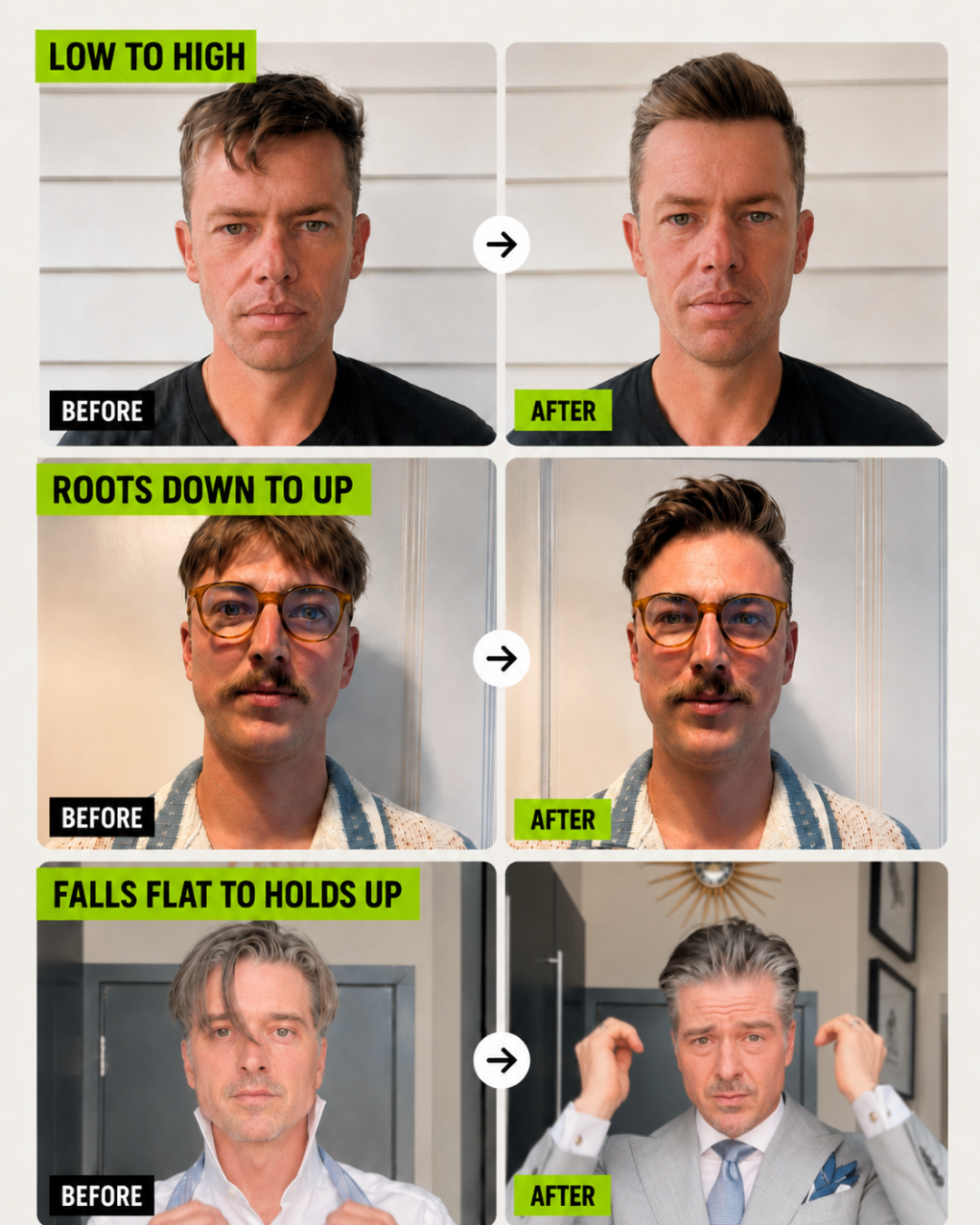
Volume fade caused by residue and weighed roots
Think of it like trying to make a curtain look fuller. If the fabric is stiff or clumped, it won’t drape the way you want. With hair, the “drape” is your shape, shine, and lift. When you remove buildup, smooth the lengths, and style with airflow, you often see a noticeable difference—without needing an overly complicated routine.
A Routine to Thicken Hair with Real-Life Steps
Here’s a practical routine you can adapt to your hair type. It’s designed to support a thicker appearance by improving softness, reducing frizz, and maximizing root lift.
1) Wash strategically for a cleaner, fuller look
Start with cleansing that feels gentle but effective. If your scalp gets oily quickly, you may need more frequent washes. If it’s on the dry side, consider a routine that doesn’t strip. The goal is a clean base so hair doesn’t cling to itself.
Massage the scalp: Use your fingertips in slow circles. This helps lift dirt while being kinder than aggressive scrubbing.
Let shampoo do the work: Focus on the scalp, letting suds rinse through the lengths.
Rinse thoroughly: Leaving shampoo behind can lead to dullness and tangles.
2) Condition like a pro: lengths only, mostly
Conditioning helps hair feel softer and detangled, which can make it look more full. But for many people, the key is where you apply it.
Apply from mid-length to ends: Keep conditioner away from the roots to protect volume.
Use less than you think: A little goes a long way on fine hair.
Detangle gently: Use a wide-tooth comb on damp hair and start at the ends.
3) Add lift with the right towel and prep
Small changes here can make a big visual difference. Rough drying can cause frizz, and frizz makes hair look thinner because it breaks up the shape.
Pat instead of rub: A soft microfiber towel or cotton T-shirt reduces friction.
Use a lightweight leave-in: Choose something that won’t leave a heavy film.
Focus prep on roots: If you want volume, apply styling support closer to the scalp.
4) Blow-dry for volume (not just “dry”)
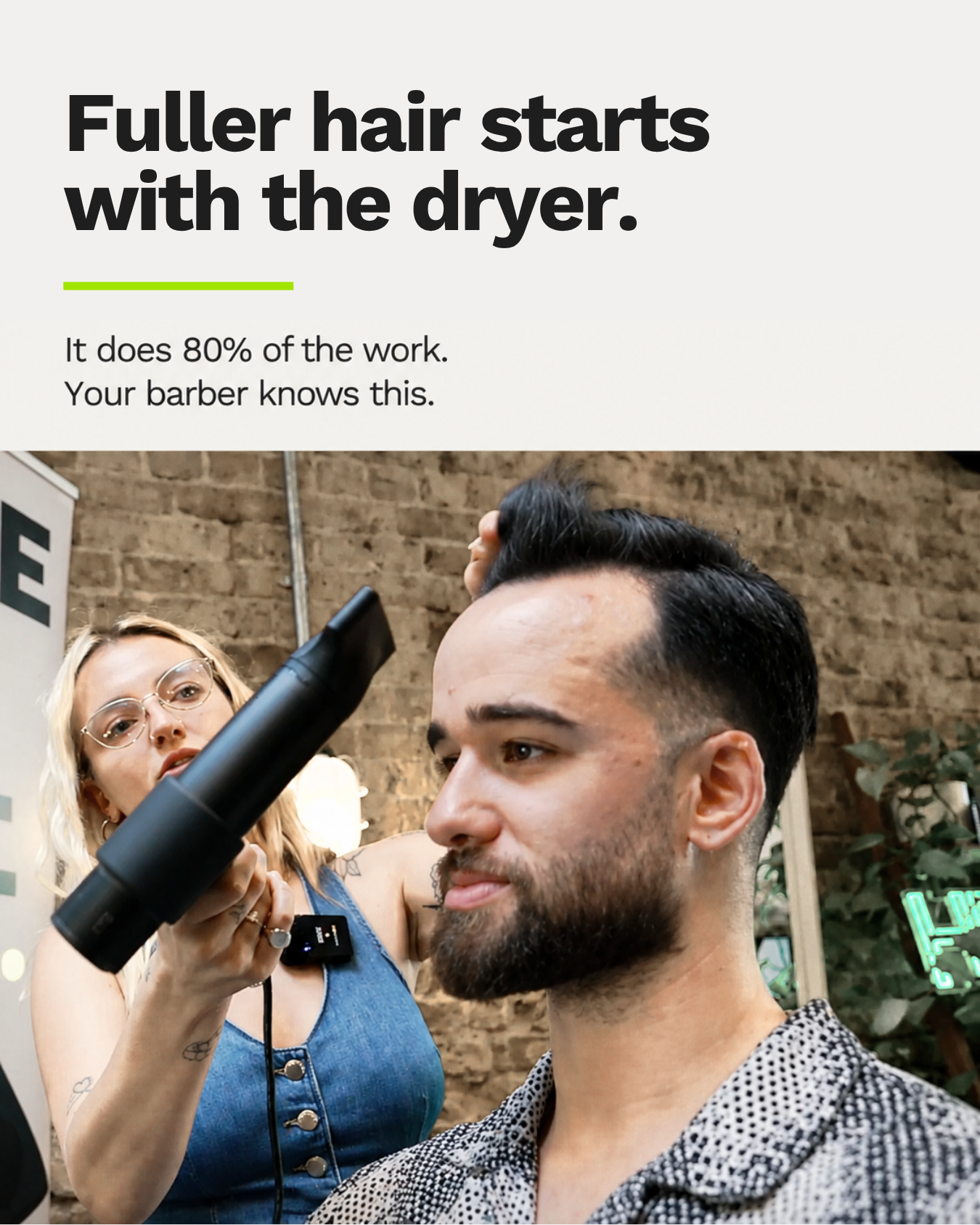
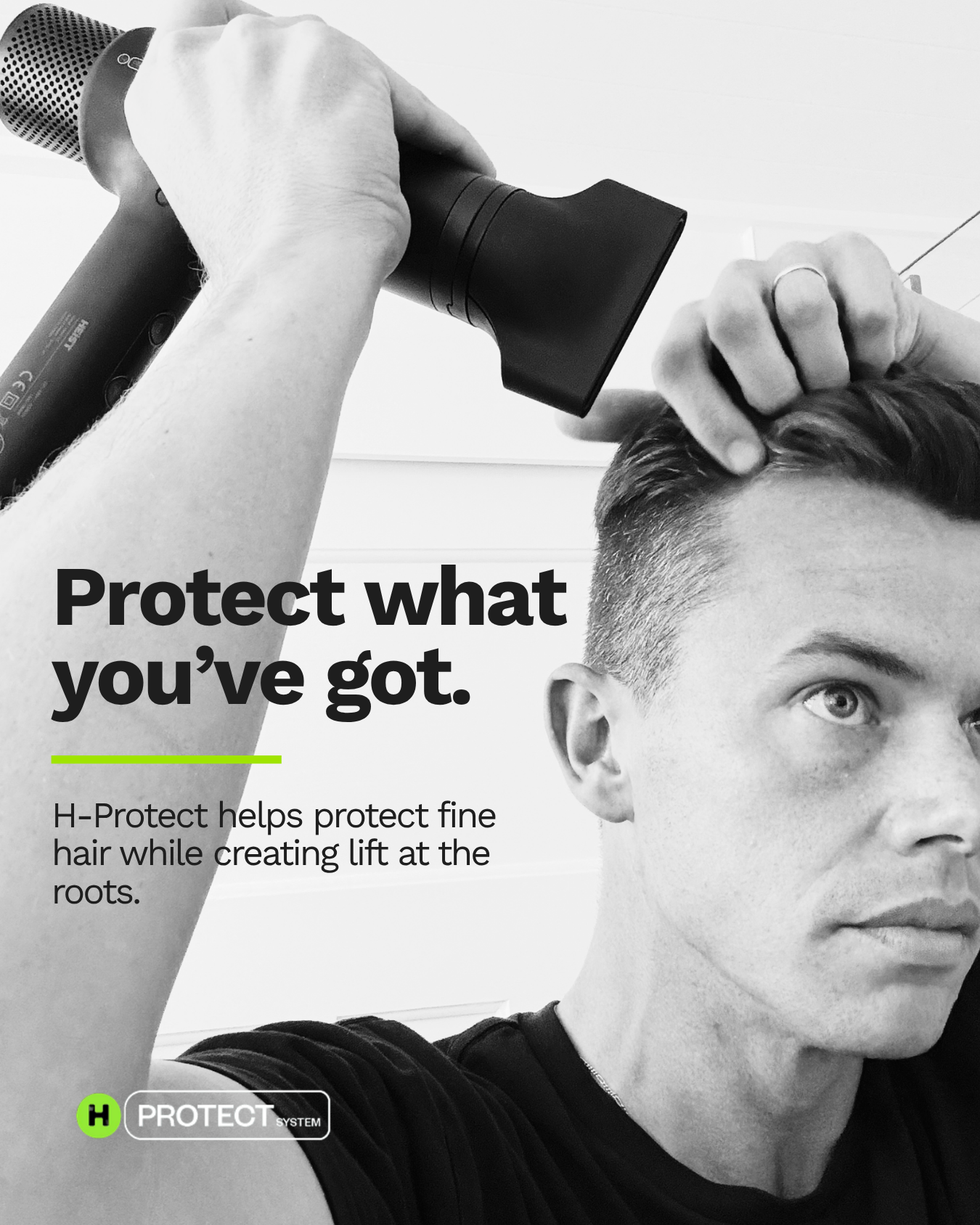
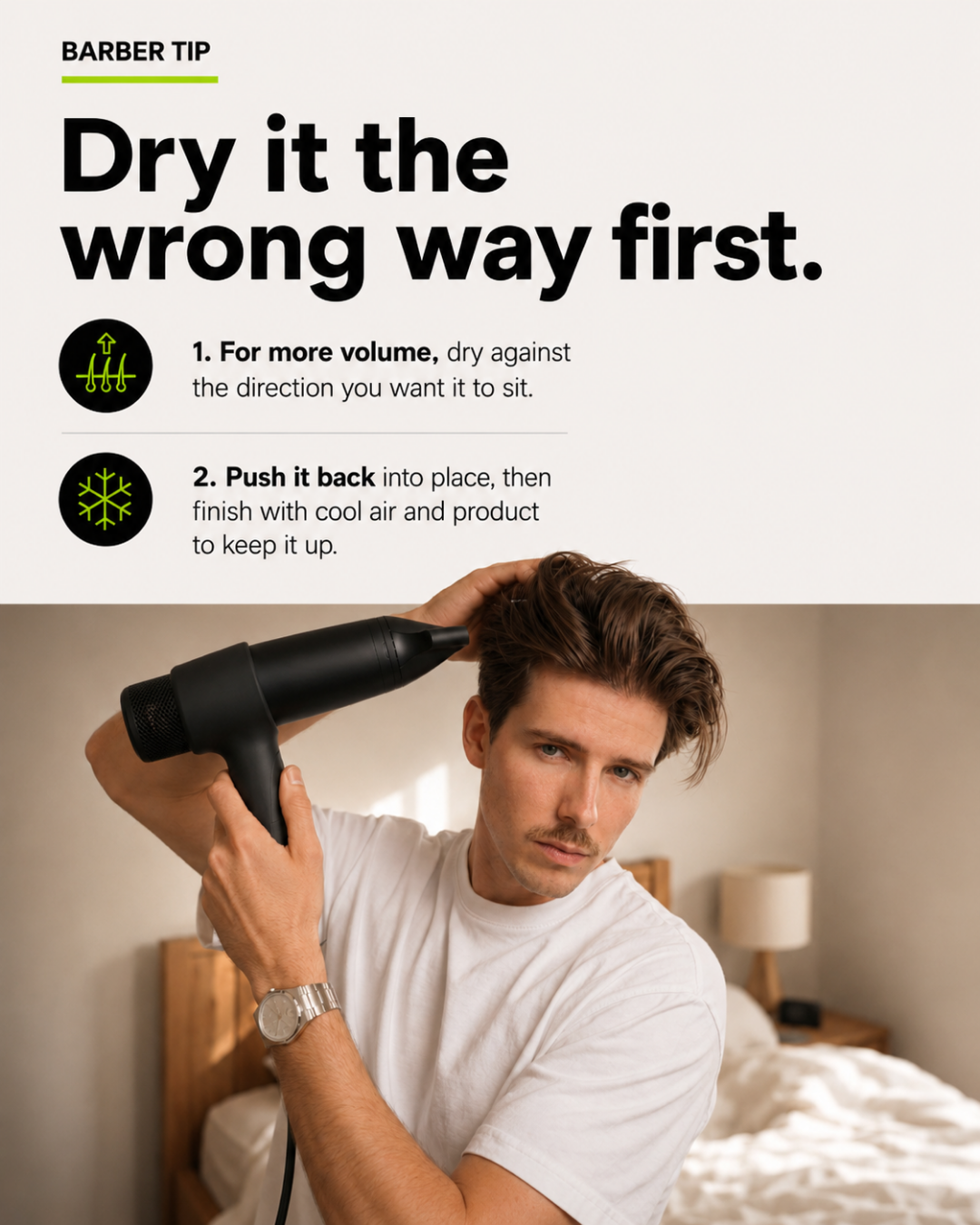
Drying technique is where fullness often gets won or lost. Aim airflow upward at the roots and keep the movement steady.
Work in sections: Smaller sections are easier to lift and style consistently.
Use a nozzle or concentrated airflow: Direct heat where you want it.
Keep tension light: Gentle lift is enough for volume without pulling.
Finish with cool air: This can help set your style and reduce frizz.
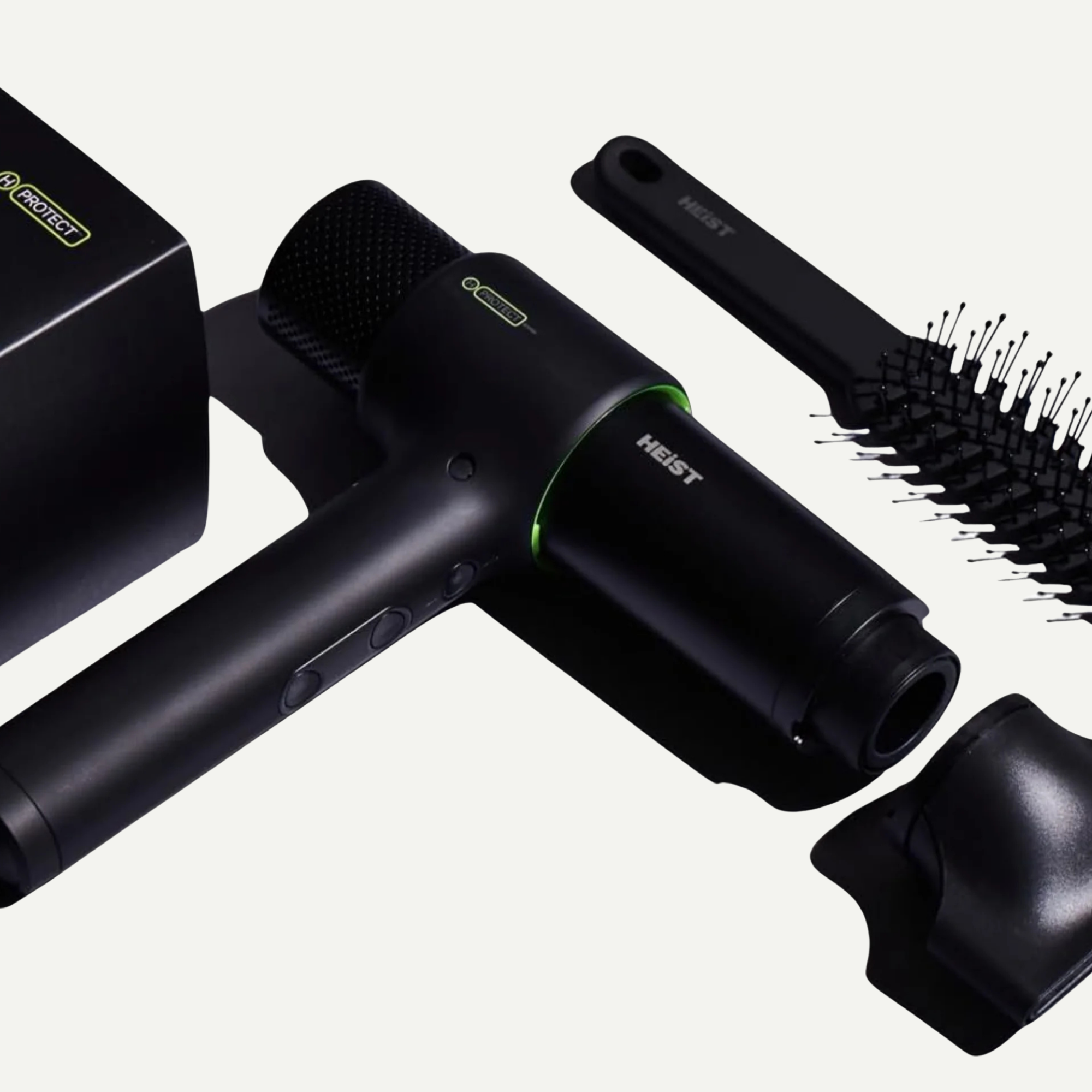
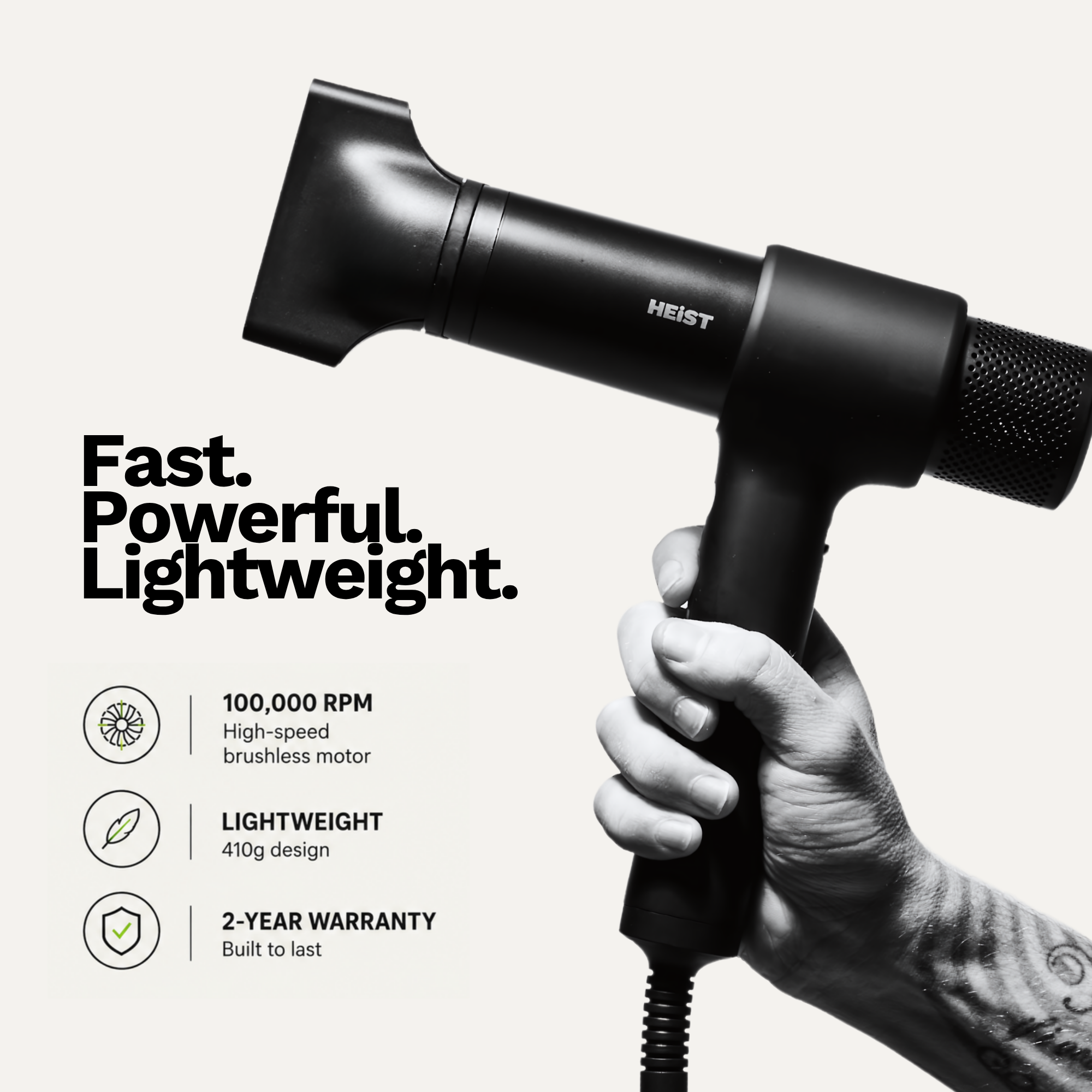
If you’re curious about tools that help with smooth drying and styling, you can explore options like hair dryer styling tips from our site. (And if you prefer learning from brand education, you can compare features on the official Dyson hair care pages as well.)
You might also like how to prep fine hair for volume—it pairs nicely with this section.

Airflow guiding lift at roots, smoother lengths
5) Choose styling products that support thickness
When people say “my hair won’t get thick,” they often mean it won’t stay lifted. That’s a product problem as much as a technique problem.
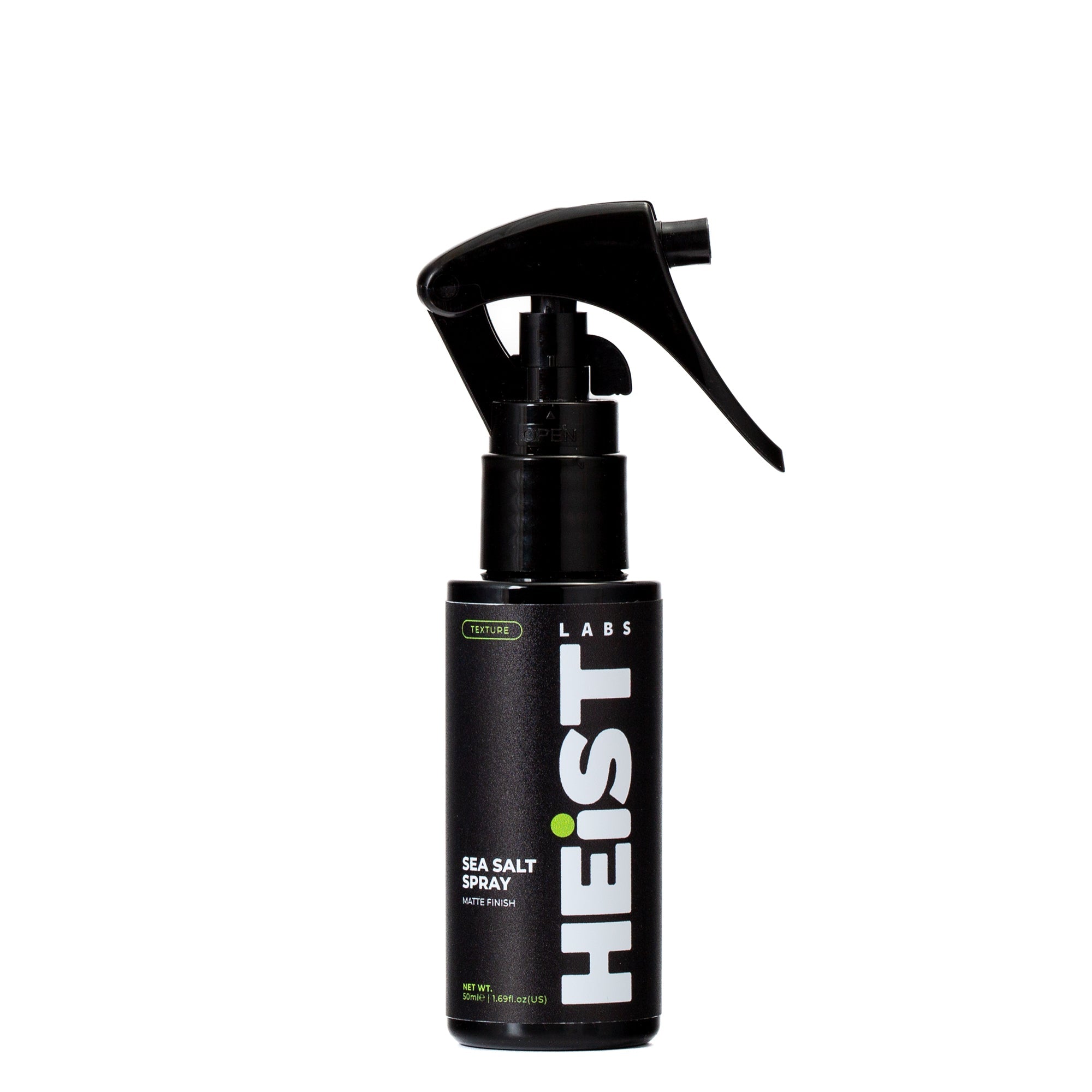
Look for volumizing textures: Mousse, root spray, and airy styling foams can help.
Avoid heavy oils on the scalp: They can reduce lift and encourage buildup.
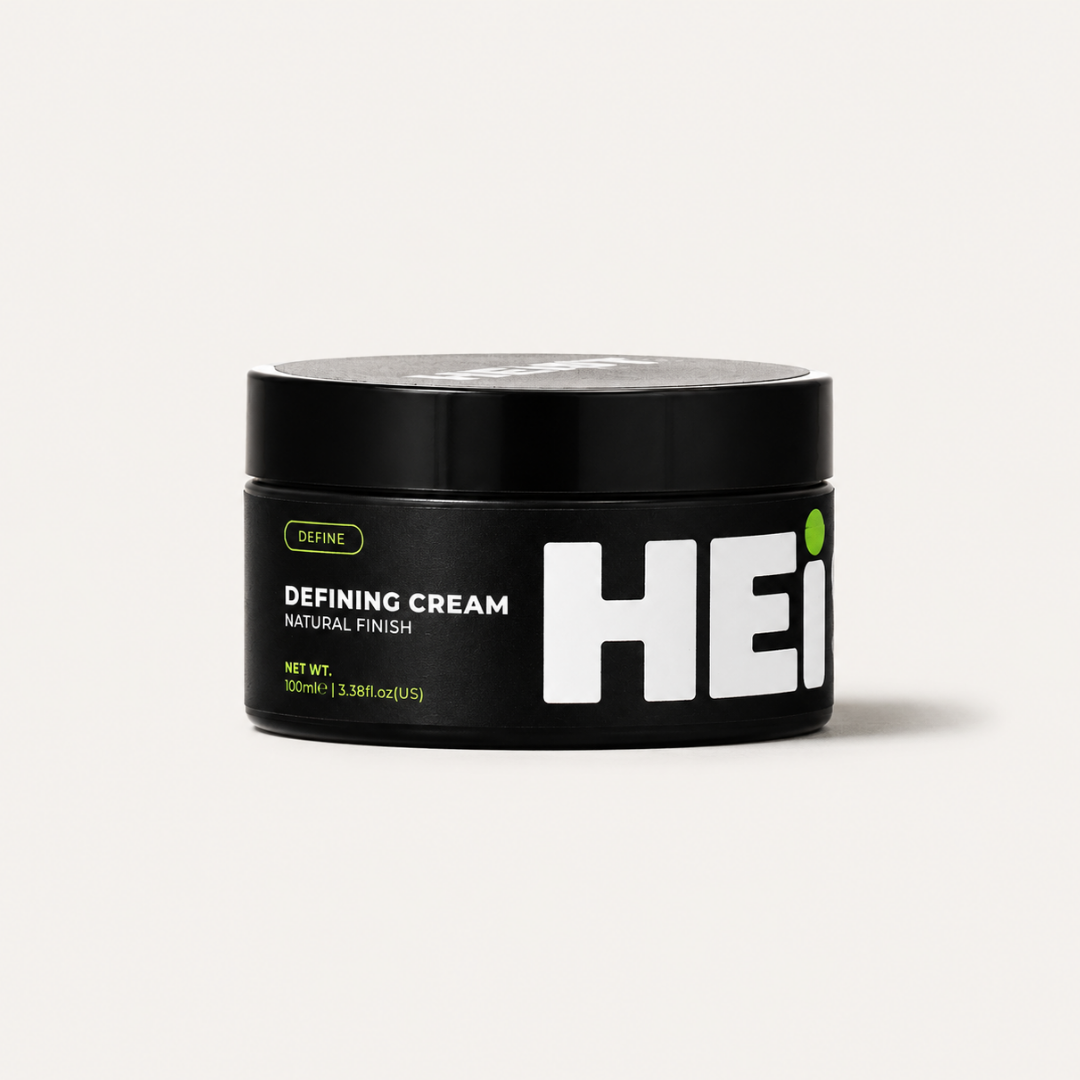
Use smoothing only where needed: For frizz, apply a tiny amount to the mid-lengths and ends.
6) Protect your hair from breakage
Even if you boost your volume, breakage can take it away. The “thick” look comes from keeping hair length and integrity.
Detangle patiently: Start with ends and work upward slowly.
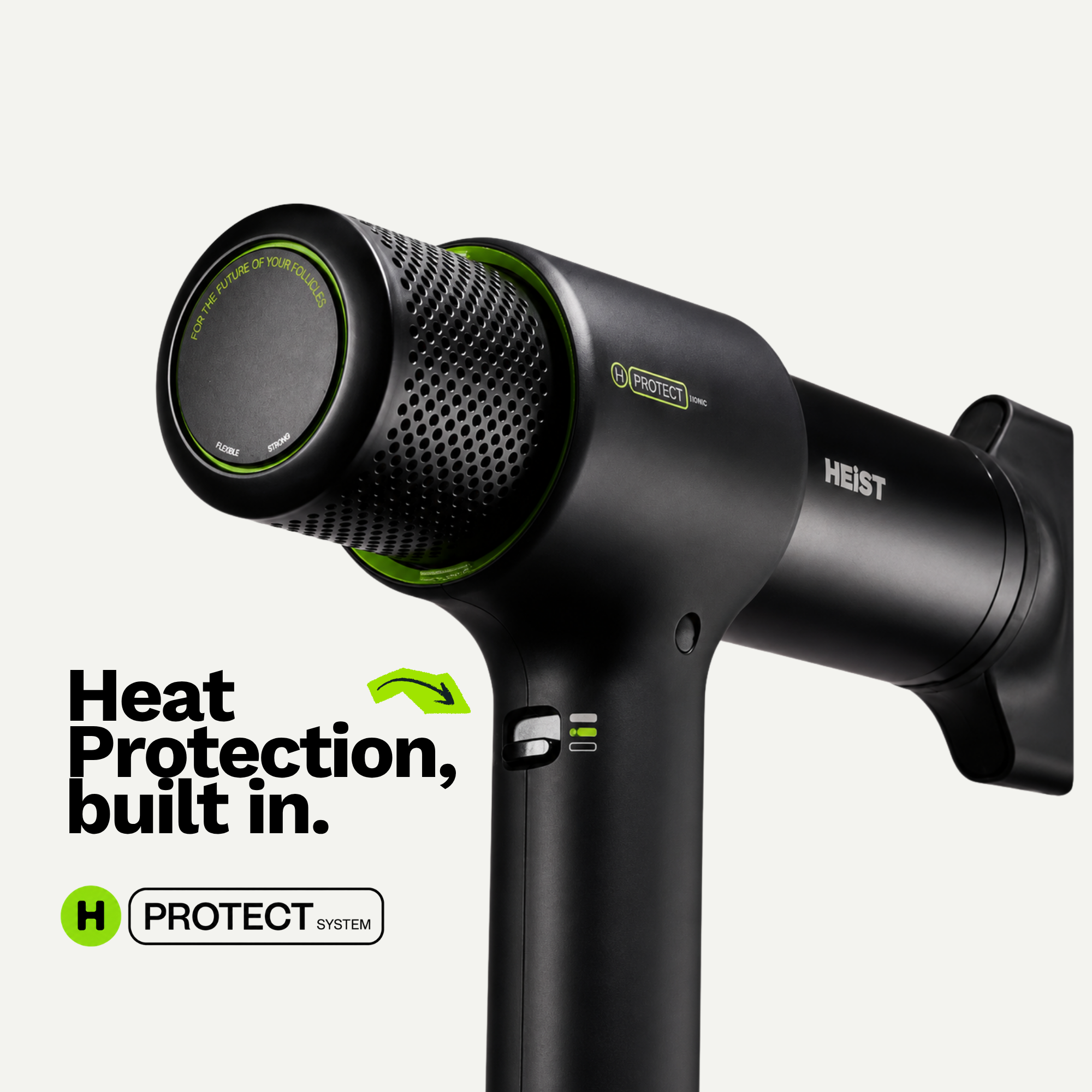
Reduce harsh heat days: When you do use heat, use a proper prep and keep sessions efficient.
Sleep smarter: Consider a satin pillowcase or a loose protective style to reduce friction.
7) Give your routine time to show results
It’s tempting to change everything every week, but hair responds gradually. You’re training your scalp environment, smoothing your cuticles over time, and building a styling “memory” that makes your hair easier to shape. A steady routine for several weeks usually gives the most honest results.
Options Compared: Build Volume vs. Add Weight
Let’s compare common approaches so you can make choices based on what your hair tends to struggle with. Think of it like a menu: pick the items that help your goals, and avoid the ones that accidentally work against you.
Volume-building habits
Approach |
Pros |
Watch-outs |
Lightweight lift at roots |
Helps hair look denser and stay styled longer |
Too much product can cause stiffness |
Conditioning only mid-length to ends |
More bounce and less root flattening |
Skipping conditioning completely can increase tangles |
Gentle detangling |
Less breakage, smoother overall appearance |
Rushing can still cause snapping |
Controlled blow-dry technique |
More lift and smoother frizz control |
Too much heat without prep can dry hair |
Weight-adding habits
Approach |
Pros |
Watch-outs |
Heavy oils near the scalp |
Can soften very dry hair |
Often reduces volume and can increase buildup |
Thick creams on roots |
May reduce frizz |
Can make hair look stringy or flat |
Over-conditioning |
Improves slip for detangling |
Too much can flatten fine hair quickly |
If you want a quick rule of thumb: when your goal is fuller-looking hair, prioritize lift and smoothing at the right spots. Keep the scalp light, condition the lengths, and style with airflow that shapes your roots upward.
If you enjoy comparing tool features, you can review dryer options on the official Dyson site, like hair dryers for styling, and more specific styling pages such as straight or wavy styling. (Use these as a feature reference, not as a one-size-fits-all solution.)
Summary & Recommendations
To thicken hair in a way you can see and feel, focus on the fundamentals that impact how dense your hair looks day to day. Start with a clean scalp, condition mostly through the lengths, dry with lift and airflow, and choose styling products that support volume instead of weighing everything down.
Here’s a simple takeaway plan you can follow:
Wash: cleanse the scalp well, but don’t over-strip.
Condition: apply from mid-length to ends only.
Style: lift roots during drying, then finish to reduce frizz.
Maintain: protect hair from breakage with gentle detangling and friction control.
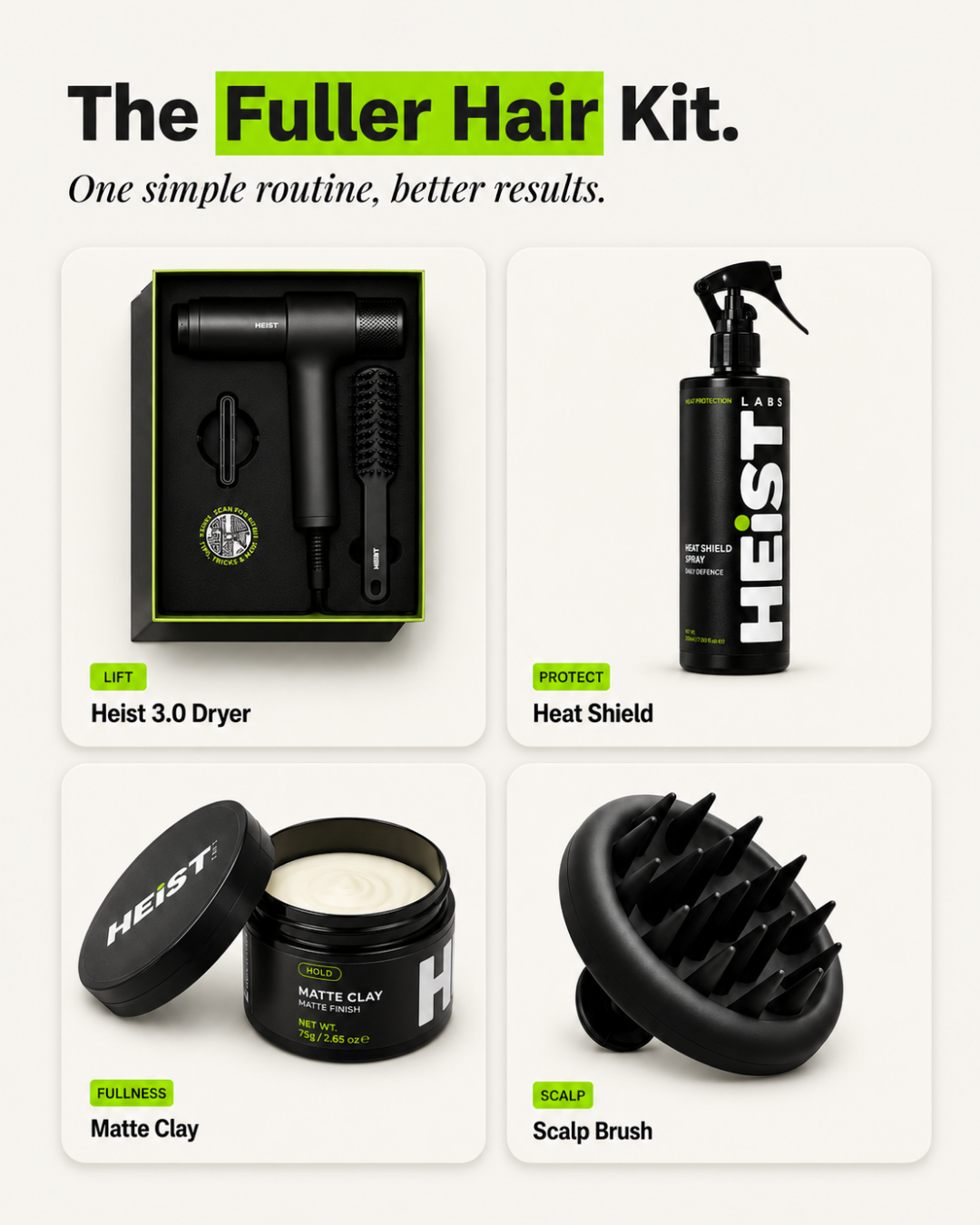
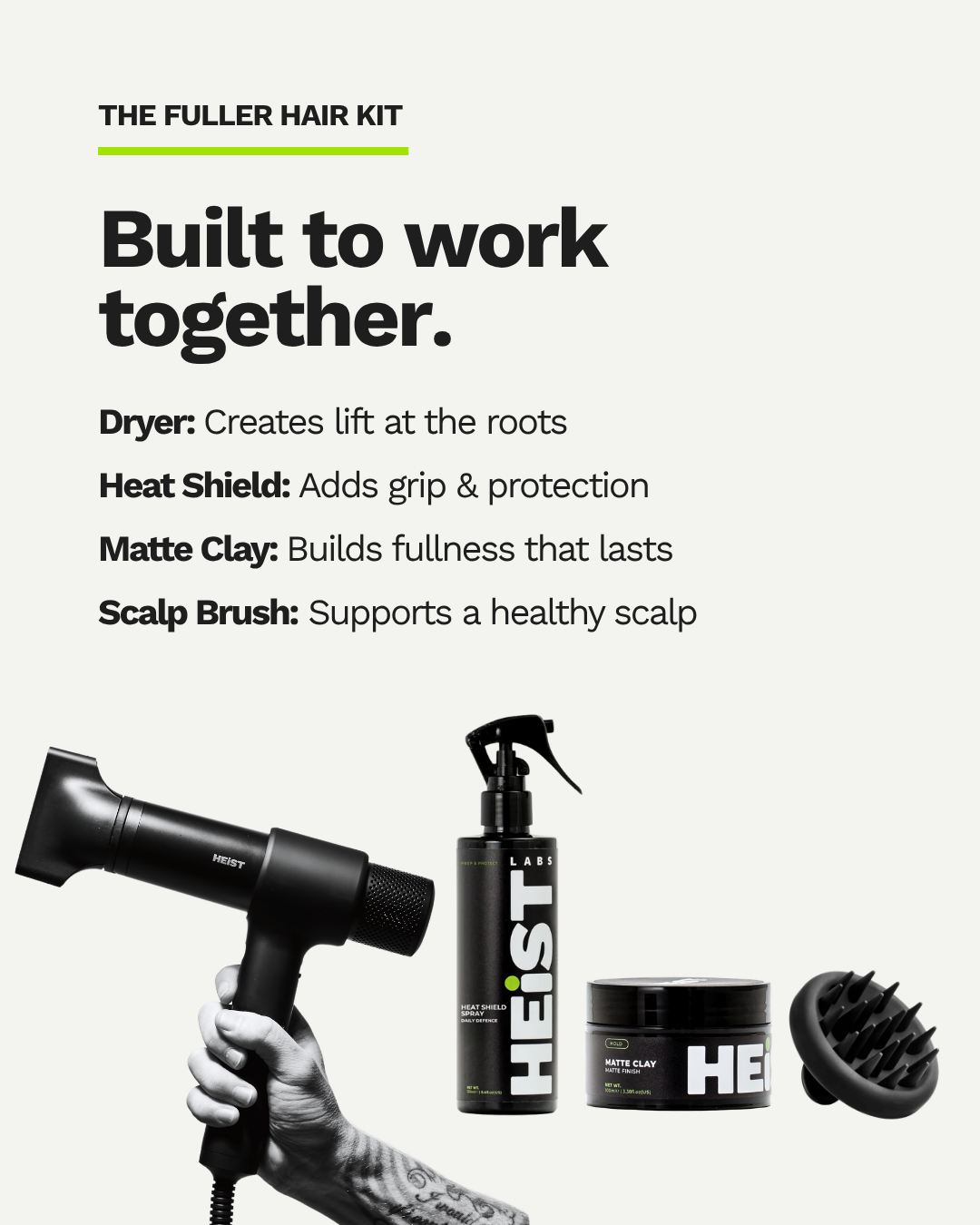
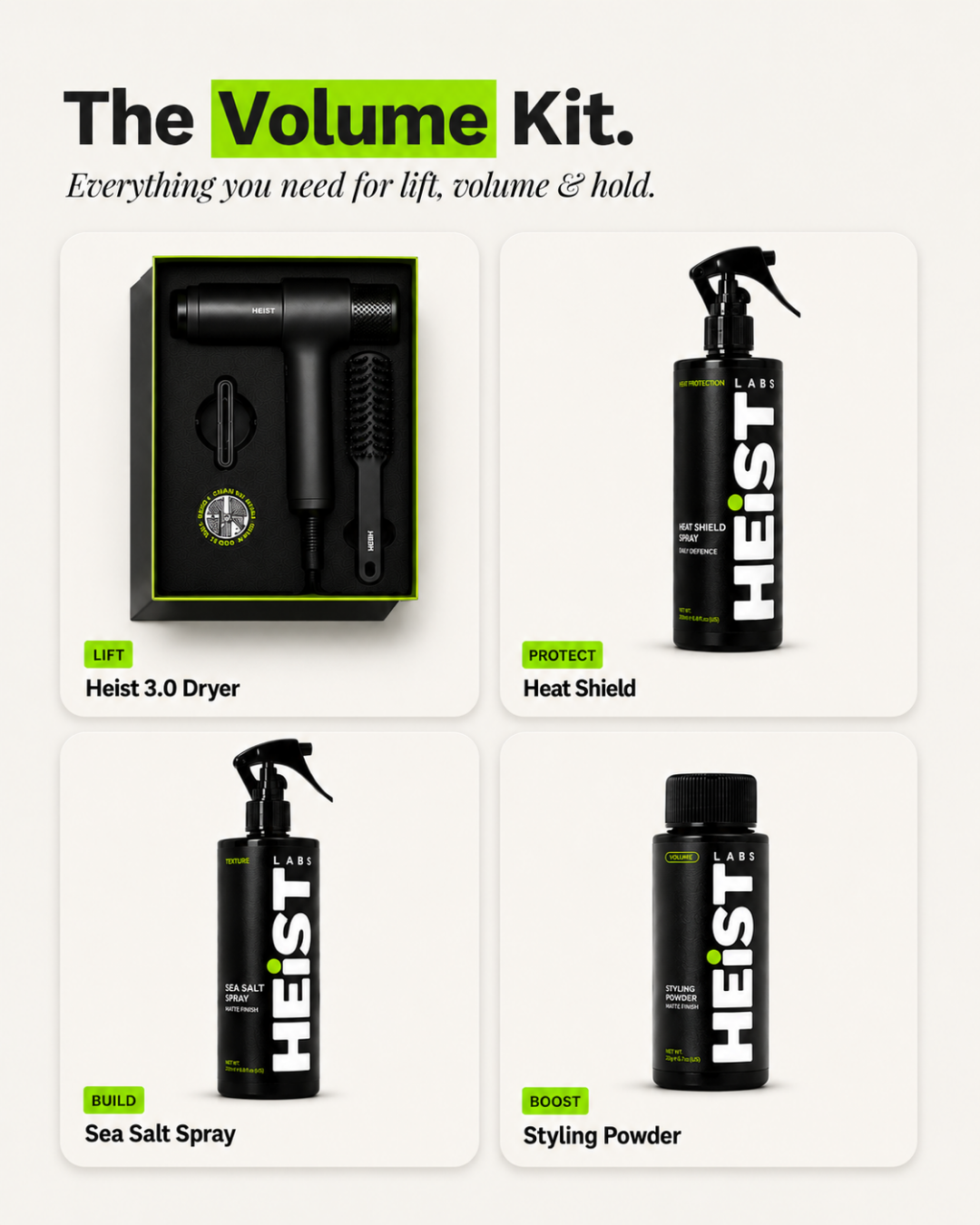
If you want extra help tailoring your routine to your hair type, explore more guides on our site like volume routines for fine hair. And if you’re building a “fuller look” kit, keep it simple: a gentle cleanser, a length-focused conditioner, and a lightweight styling step are usually a strong foundation.
Quick note: Hair care advice supports appearance and comfort, but results can vary from person to person. If you notice sudden, severe hair loss, scalp pain, or persistent irritation, it’s best to speak with a qualified healthcare professional.
Get a fuller-looking routine today
If you’re ready to take action, pick one change to start this week: adjust where you apply conditioner, or refine your blow-dry technique for more root lift. Small wins add up, and your hair will thank you.
Q&A
Can Thicken Hair look fuller without changing your genetics?
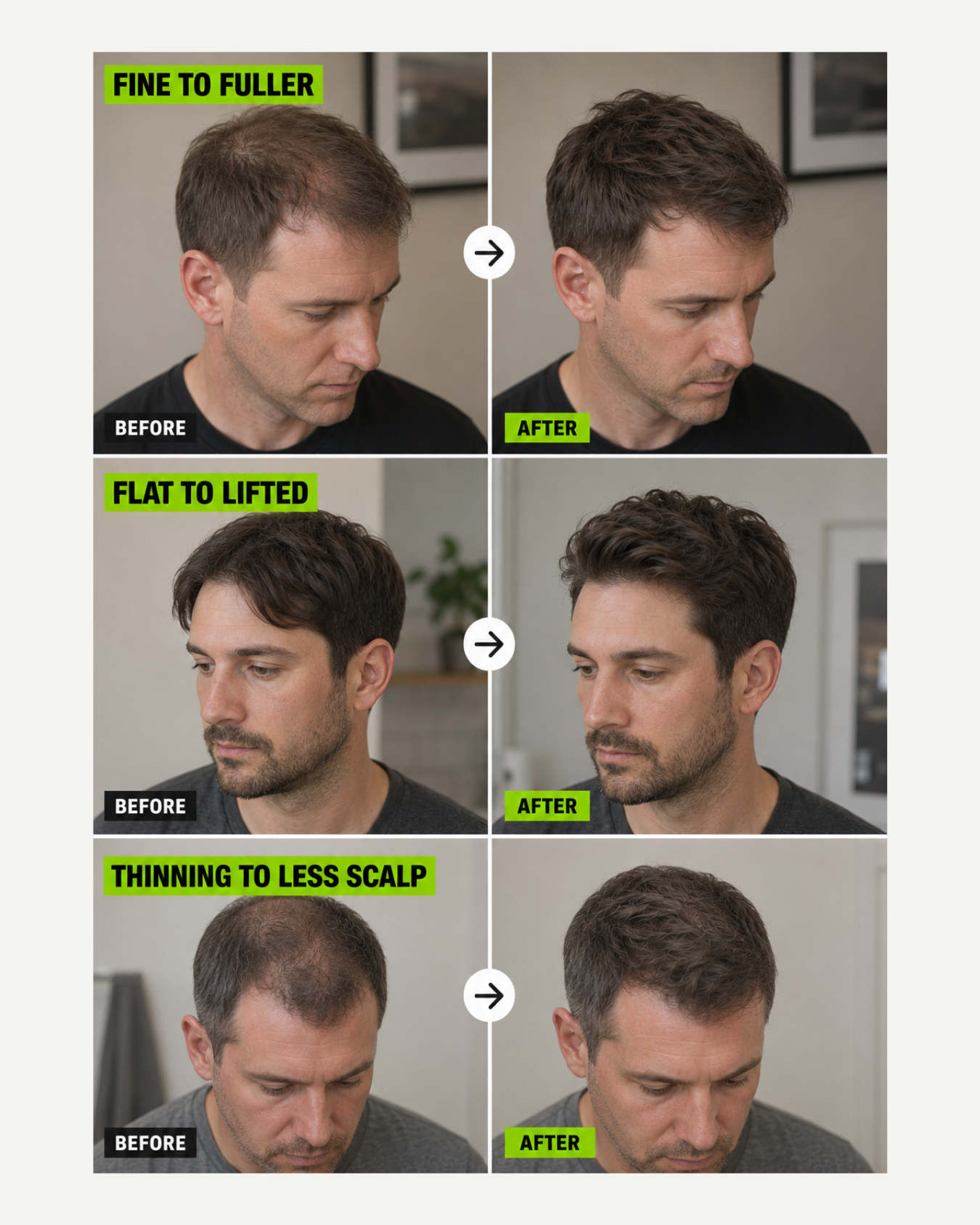
Yes, often. Many people notice better density just by improving cleanliness, reducing buildup, and styling for lift. When hair is smoother and shaped well, it reflects light differently and appears thicker, even if the underlying strand count hasn’t changed.
What’s the fastest habit to try for a fuller appearance?
Conditioning placement is a quick win. If conditioner is touching your scalp, switch to applying it only from mid-lengths to ends. Then add a lightweight root-focused styling step and blow-dry with airflow aimed upward.
Why does my hair get flat again the same day?
It usually comes down to product type, moisture balance, and drying technique. Heavy creams, oils on roots, or skipping proper lift during drying can cause hair to fall quickly. Try a lighter product near the scalp and finish with cool air to help set the shape.
Is heat styling bad for hair that feels thin?
Heat isn’t automatically “bad,” but technique matters. Use prep, keep sessions efficient, and avoid excessive direct heat without protection. Over time, heat without care can contribute to dryness and breakage, which makes hair look thinner at the ends.

Sarah Courtney writes expert hair content for Heist’s blog and guides. She focuses on practical styling advice and product insights that help you nail everyday looks with salon-level results. Her work blends technical knowledge of hair tools with clear step-by-step tips you can apply at home. You can see her byline on posts like Choosing a Salon Quality Dryer for Everyday Home Styling.







Share:
Hair Protection Tips for Safer Heat Styling