


Updated on: 2026-09-07
Hair Protection is more than a buzzword—it’s a simple way to keep your strands feeling softer and looking healthier. When you protect hair from heat, friction, and dryness, you reduce breakage and help styles last longer. The best routines are realistic too: small changes you can stick with day after day. In this guide, you’ll learn what to look for, how to build a routine, and how to avoid common mistakes.
Table of Contents
Buyer’s Checklist
If you’re shopping for Hair Protection, it helps to know what to look for before you add a bunch of products to your cart. Think of it like meal prep: you don’t need ten ingredients, you need the right ones in the right order.
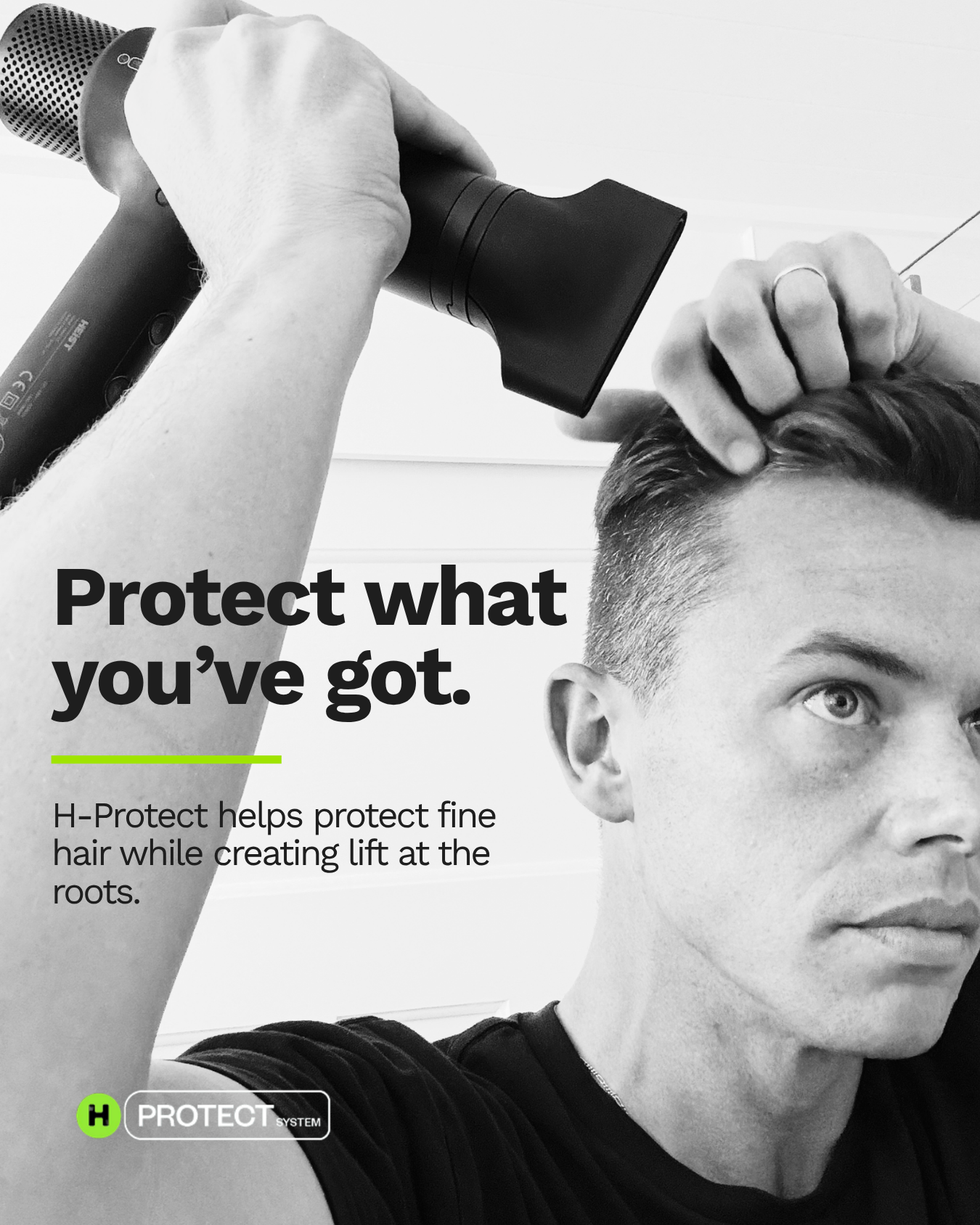
- Heat support: If you use a hair dryer, straightener, or curling tools, look for heat protection that’s designed for styling use. This doesn’t mean “protect forever,” but it does help reduce stress during styling.
- Friction control: Detangling tools, satin or silk pillowcases, and gentler brushes can make a noticeable difference, especially for coily and curly hair types.
- Moisture seal: Choose a lightweight conditioner and a leave-in product or serum that helps lock in hydration without leaving hair feeling heavy.
- Bond-supporting habits: You don’t need complicated chemistry to be consistent. A protective routine often includes conditioning, careful detangling, and limiting rough handling.
- Scalp-friendly approach: Don’t forget your scalp. A routine that feels good on your scalp tends to be one you’ll maintain.
Step-by-Step Guide
Here’s a friendly, practical way to start. You can follow this exact order whether your hair is straight, wavy, curly, or coily.
- Start with a gentle clean: Use shampoo to cleanse the scalp and conditioner to support the lengths. Focus on smooth distribution, not aggressive scrubbing.
- Detangle with care: Detangle when hair is damp and add slip if needed. Use patience—short, careful sections beat rushing.
- Apply a protective leave-in: Work a leave-in through mid-lengths to ends. If your hair gets weighed down easily, use less and build gradually.
- Choose your styling method: If you blow-dry, use moderate heat and keep the dryer moving. If you air-dry, consider a light serum once hair is mostly dry.
- Finish with a barrier: Seal with a small amount of oil or serum (depending on your hair’s needs) to help reduce frizz and friction.
- Protect overnight: Switch to a satin or silk pillowcase and tie hair gently. This one habit often improves softness fast.

Checklist icons showing heat, moisture, and friction control
Hair Protection Basics (What Actually Matters)
Let’s make Hair Protection feel less mysterious. Most damage comes from a few repeat offenders: heat stress, rough handling, dryness, and frizz-driven tangles. When you reduce those forces, your hair has an easier time staying intact.
1) Heat protection is about reducing stress
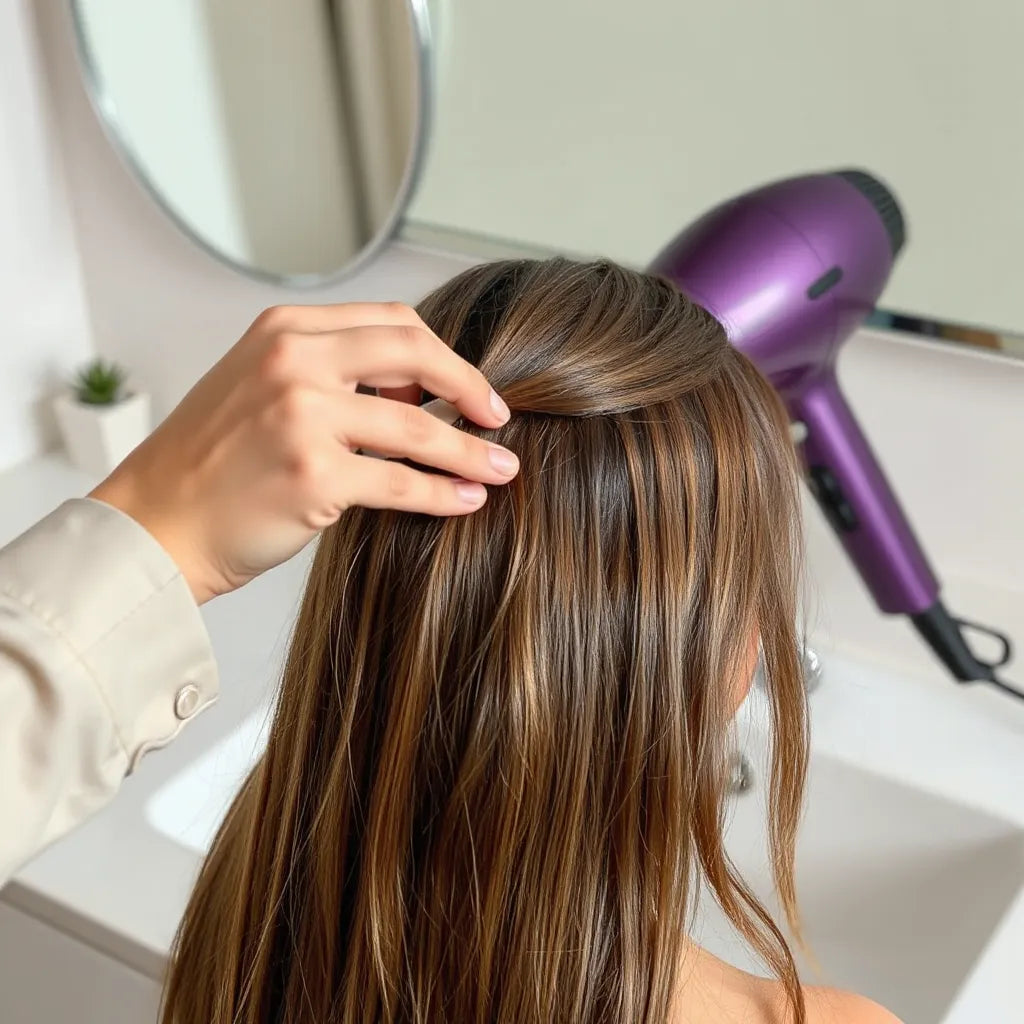
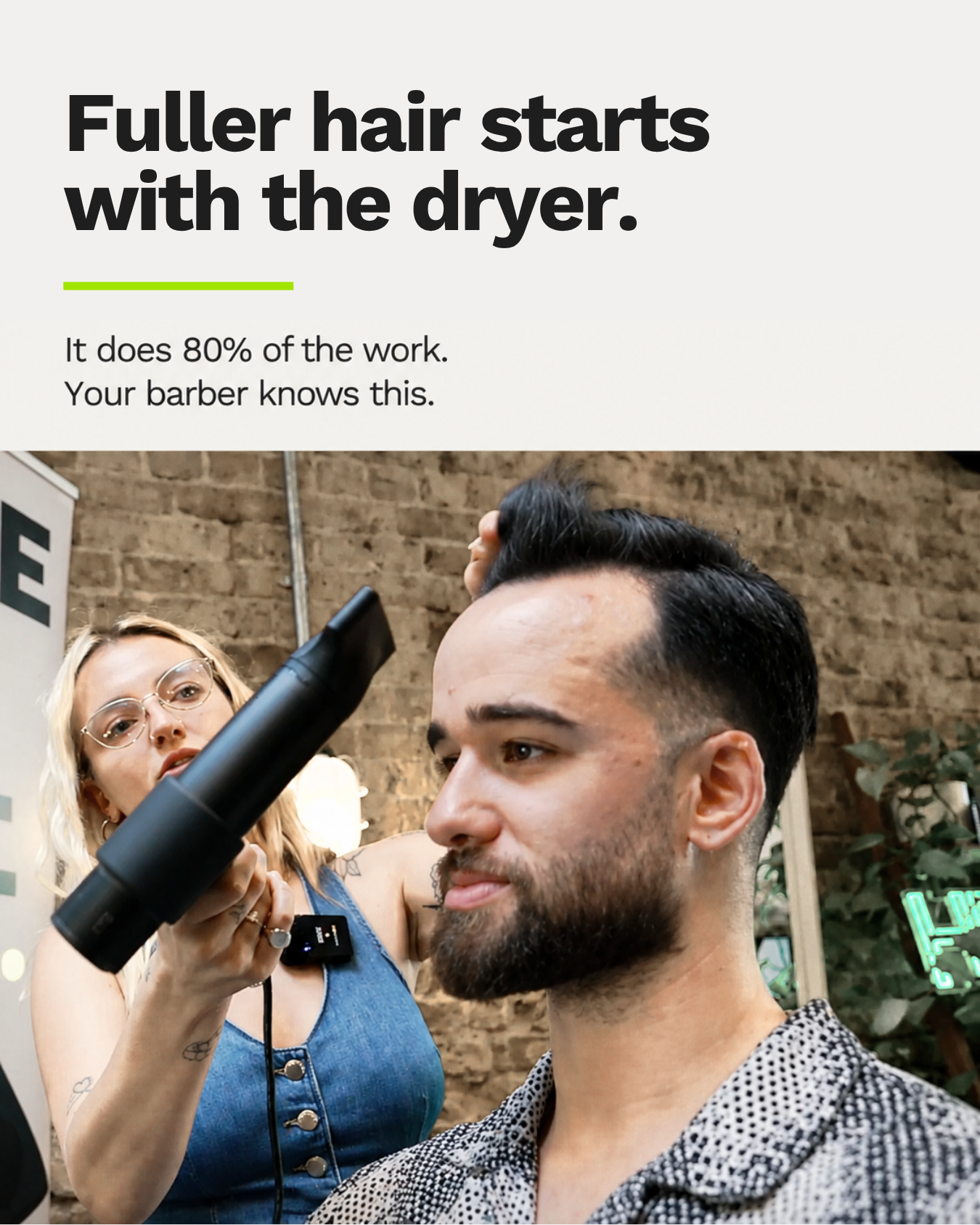
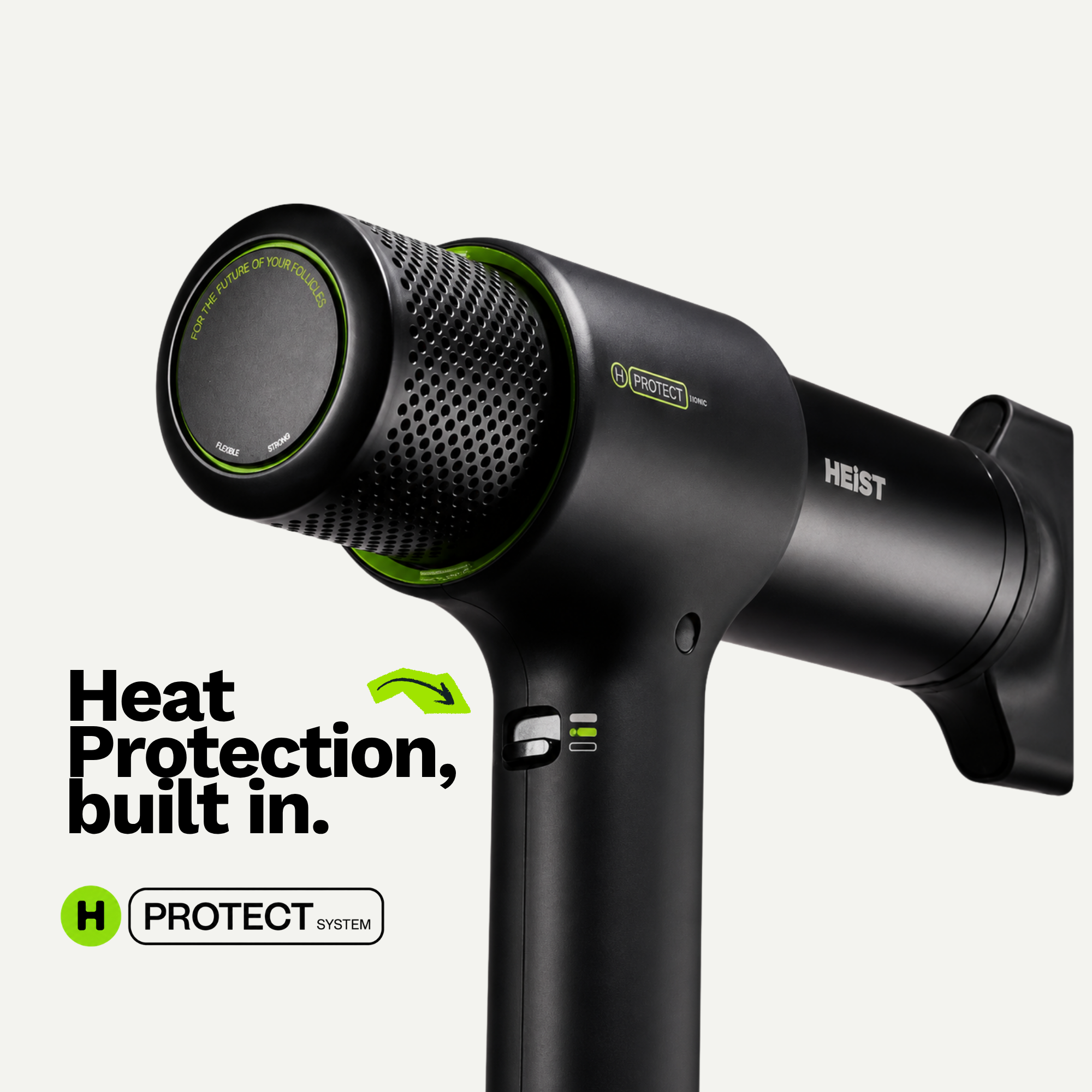
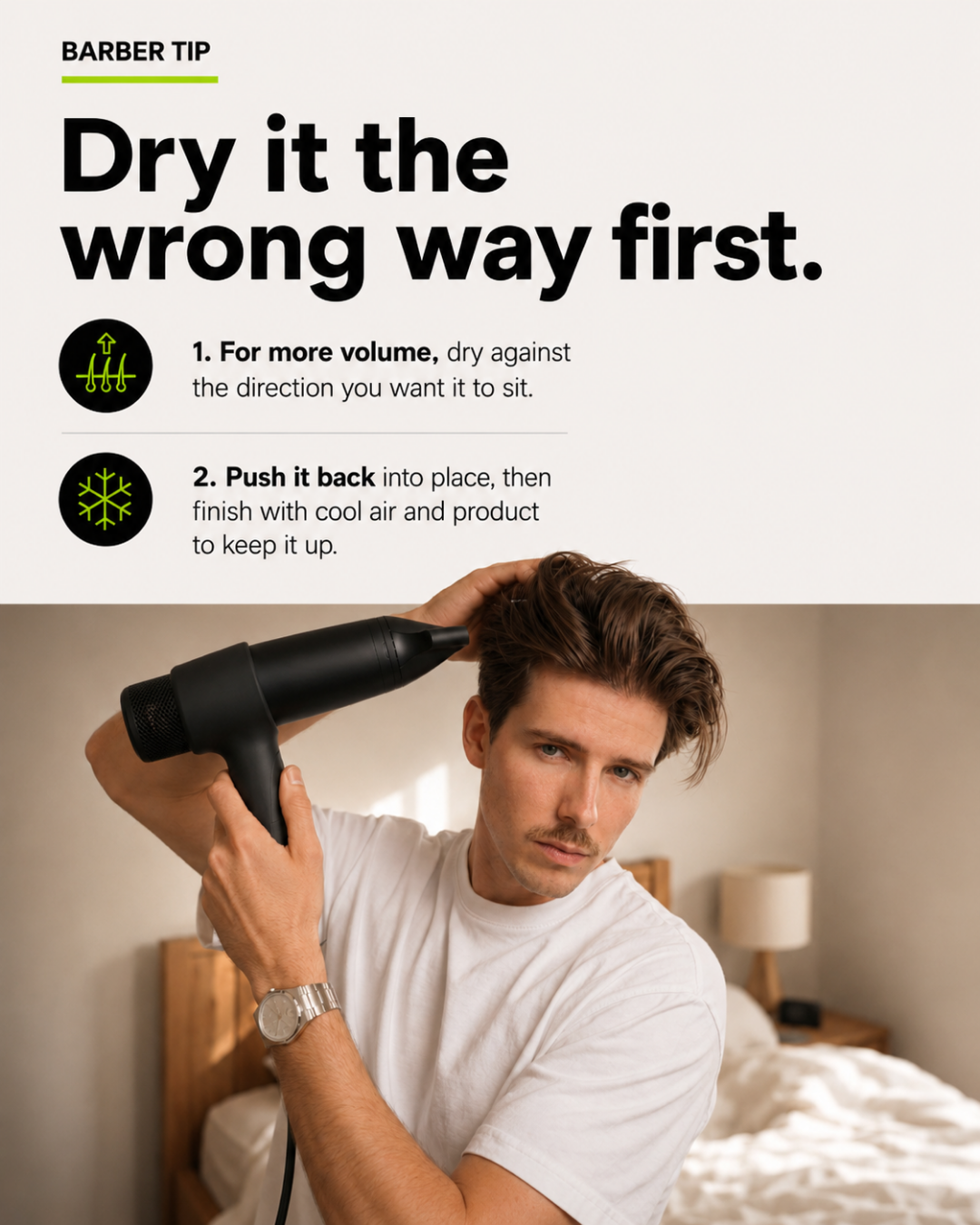
Heat can be helpful when you style, but it can also make hair feel dry or look dull over time. The protective idea here is simple: before styling, add a barrier that helps shield the hair surface. Then use smarter heat habits—lower settings when possible, and keep airflow moving.
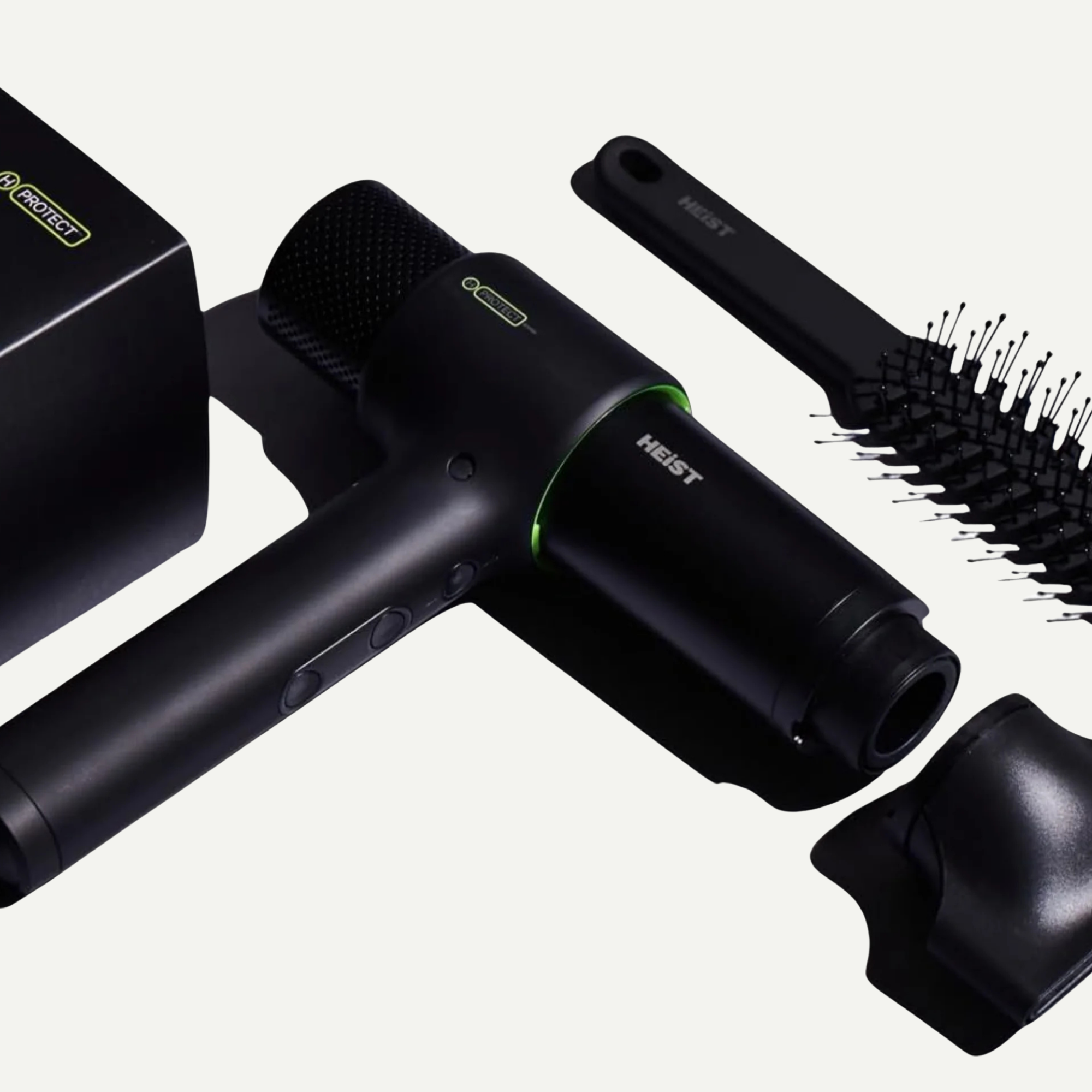
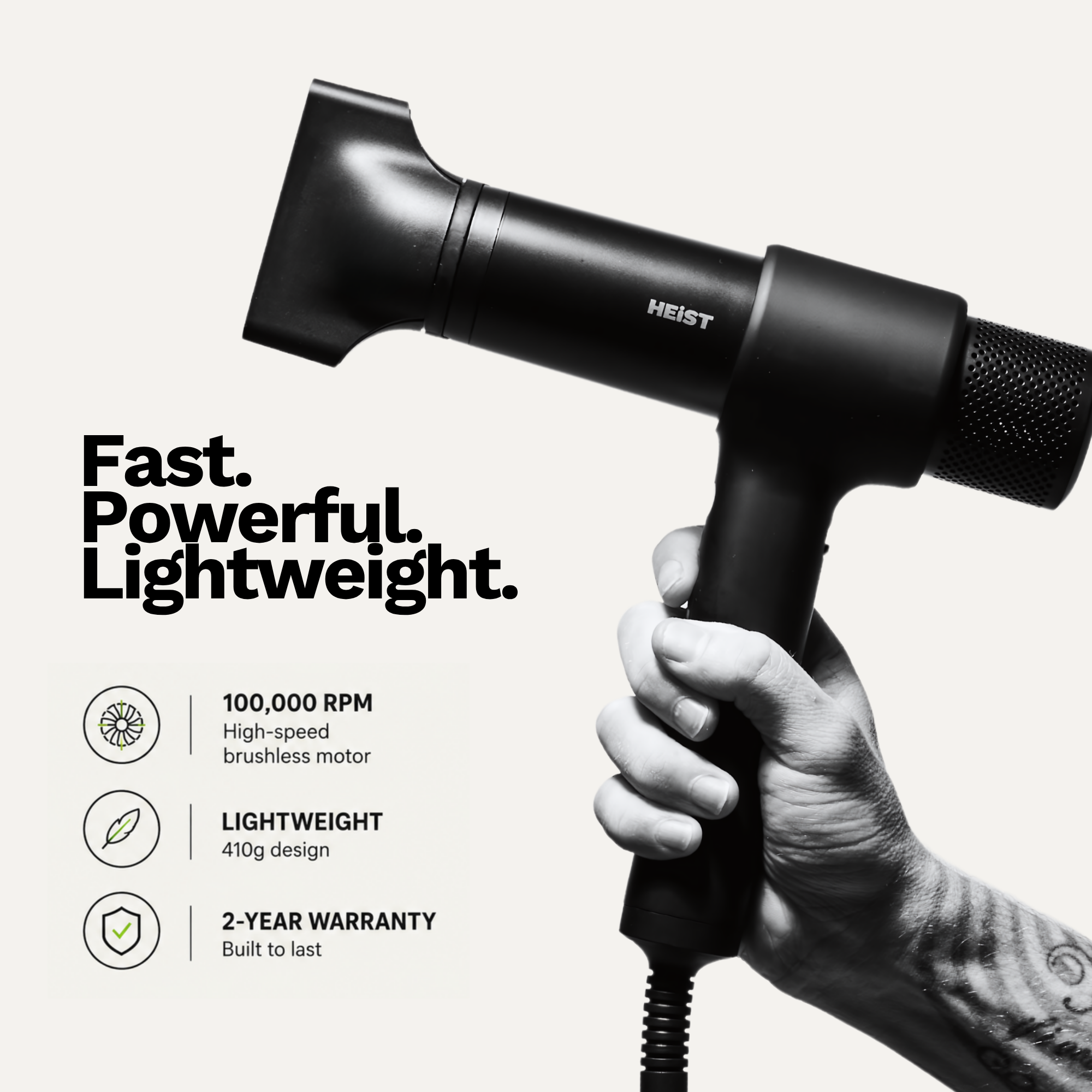
If you’re curious about how airflow and heat distribution matter, you can also explore styling tools designed with hair-care in mind. For example, you can browse options like hair dryers from Dyson’s hair-care range for inspiration on drying techniques.
2) Moisture protection prevents the “dryness spiral”
Dry hair tangles faster. Tangled hair leads to more tugging when you detangle. More tugging can lead to more breakage. It’s a chain reaction, and it’s why moisture is such a big part of protection.
Look for products that make hair feel softer and smoother after washing. Even better: choose a leave-in or cream that gives slip, so detangling feels easier from the first stroke.
3) Friction control is underrated
Ever wake up with hair that feels rougher than it was at night? That’s often friction—moving strands against fabric and hair rubbing while you sleep. Silk or satin reduces that friction. Gentle detangling tools help too.
Try this simple test: after your next wash routine, compare how hair feels when you detangle with care versus when you rush. You’ll likely notice less snagging when your hair has enough slip and you’re working in small sections.
Build a Routine You’ll Actually Use
Here’s the truth: Hair Protection works best when it fits your life. If your routine requires five steps you’ll skip, it’s probably too much. Instead, aim for a few consistent habits that stack benefits.
A simple weekly rhythm
- Wash day: Cleanse scalp, condition lengths, detangle gently, apply leave-in protection, and style using moderate heat.
- In-between days: Refresh with water or a light mist if needed, then smooth with a small amount of serum to reduce frizz.
- Overnight: Tie hair loosely and protect with satin or silk.
Choosing products without overbuying
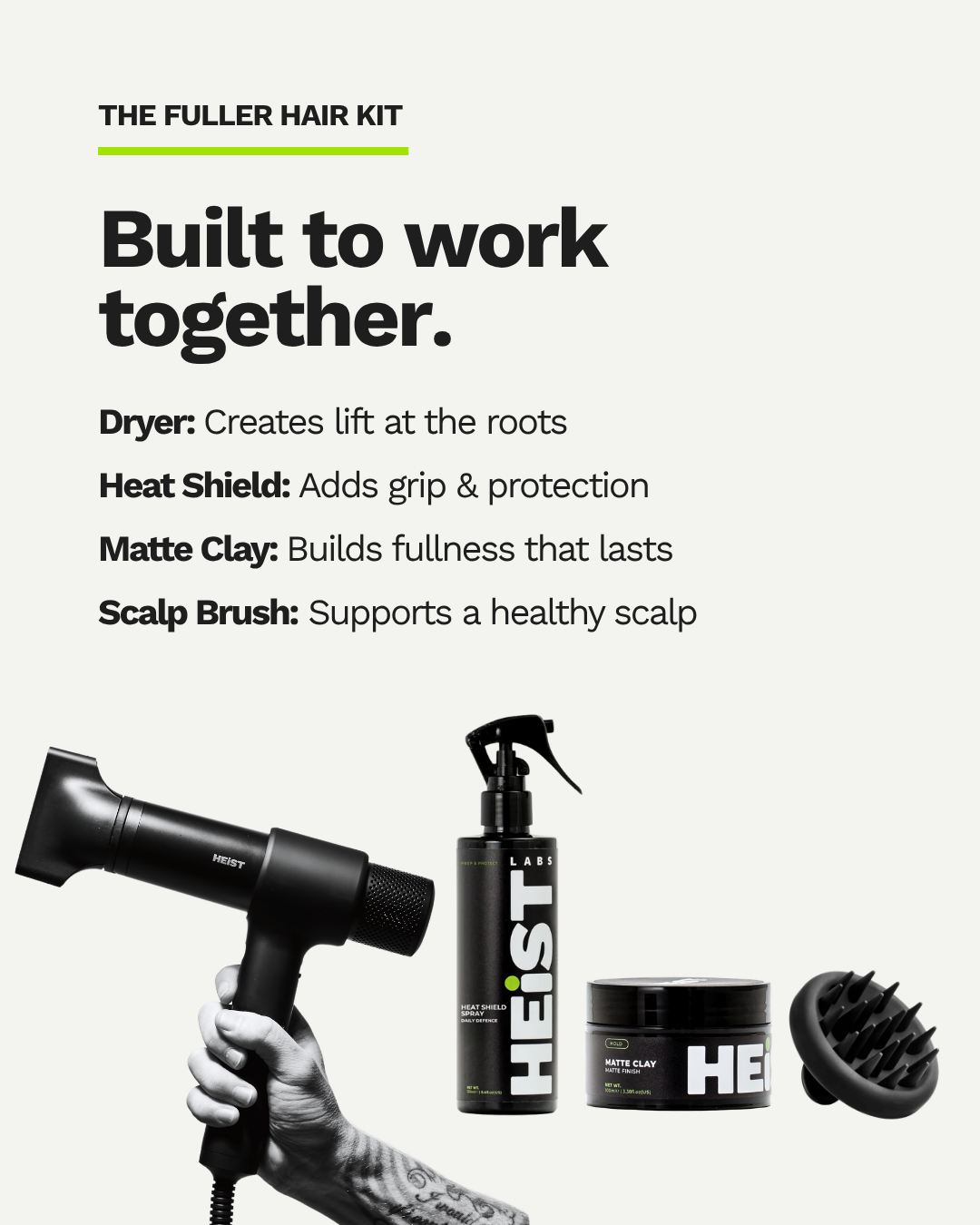
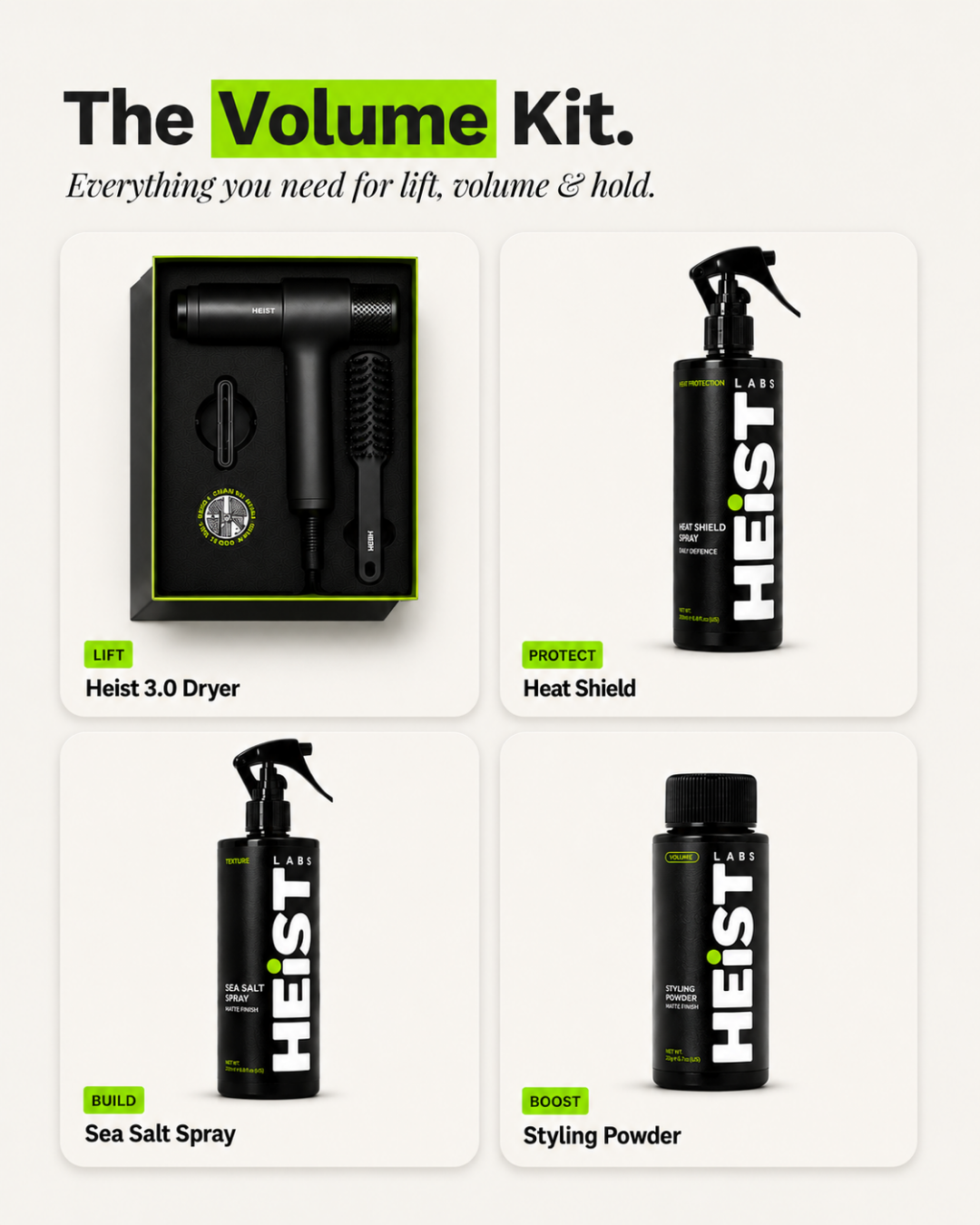
You don’t need a different product for every step. But you do want to cover key functions. A solid starting set often includes:
- A conditioner that improves softness
- A leave-in for slip and protective support
- A lightweight finishing serum or oil to reduce frizz
- A heat protectant if you style with heat
If you enjoy browsing, you can also read related guidance from Heistof London for practical hair-care inspiration, like hair and beauty tips that focus on everyday routines.
Tailor it to your hair type
Different hair textures tend to have different challenges.
- Straight hair: Often benefits from lightweight leave-ins to avoid heaviness and from gentle detangling to reduce static.
- Wavy hair: Usually does well with moisturizing conditioners plus a frizz-fighting finish.
- Curly hair: Loves slip for detangling and consistent moisture to reduce shrinkage-related tangles.
- Coily hair: Tends to need extra attention to detangling technique, protective styling, and overnight friction control.

Sleeping routine visuals: satin fabric, loose tie, soft airflow
Common Mistakes That Undo Your Efforts
Even with good intentions, it’s easy to accidentally remove all the protection you just added. Here are the mistakes I see most often, plus quick fixes.
Using too much product
More isn’t always better. Heavy leave-ins and thick serums can make hair feel coated, limp, or greasy, especially on fine hair. If that happens, try using a smaller amount and focus on mid-lengths and ends.
Detangling when hair has no slip
Detangling dry hair often means more snagging. Instead, detangle when hair is damp and add slip with conditioner or leave-in. Work in small sections and be gentle with your ends—they’re usually the most fragile part.
High heat, long sessions
If you’re using high heat for a long time, you’re basically turning your styling session into a stress test. Reduce heat when you can, keep the dryer moving, and stop once hair is dry enough for styling.
Again, if you want to see how modern dryers approach drying, you can compare options like hair-care hair dryers and accessory styles for inspiration.
Skipping the overnight plan
Overnight protection is where many people relax, but it’s also where you can get huge returns. A satin or silk pillowcase and a loose protective tie help prevent friction and tangles. Your morning routine becomes calmer when your hair hasn’t been rubbed all night.
Ignoring scalp comfort
If your scalp gets irritated, your routine won’t last. Choose products that don’t leave you feeling itchy or uncomfortable, and adjust washing frequency based on what your scalp actually likes.
FAQ
How often should I use Hair Protection products?
Most people benefit from using protective leave-in or finishing support during wash days and then reapplying lightly in-between as needed. If your hair feels dry, tangled, or frizzy, add a small amount of moisture-support on the next day. If your hair feels coated or heavy, reduce the amount and focus only on the ends.
Is heat protection necessary if I mostly air-dry?
If you rarely use hot tools, you may not need heat protectant every day. But if you occasionally blow-dry or use a straightener or curling tool, applying a heat barrier for those sessions is a smart habit. Think of it like using a seatbelt only when you’re driving—specific for specific situations.
What’s the simplest overnight habit for better Hair Protection?
The easiest win is reducing friction. Use a satin or silk pillowcase and tie hair loosely to protect it from rubbing. If your hair is prone to tangles, consider gentle braids or twists that keep strands separated without pulling tight.
Can Hair Protection help with frizz and tangles?
Yes. When hair is moisturized and protected from friction, it tangles less and feels smoother. That means less tugging during detangling, which can also reduce breakage. Start with leave-in slip, then seal with a light finish to control flyaways.
What if my hair feels heavy after styling?
That usually means you used too much product or focused it too close to the scalp. Try using less, applying only to mid-lengths and ends, and choose lighter textures if you’re using thicker creams or oils.
Call to action: If you’re ready to upgrade your routine, pick one habit to start today: apply a leave-in with slip after washing, or switch to satin or silk overnight. Small wins add up fast. For more everyday style-and-care inspiration, you can explore practical hair-care ideas.
Disclaimer: This article is for general informational purposes and is not medical advice. Hair needs vary by person. If you have a scalp condition or ongoing irritation, consider consulting a qualified professional before changing your routine.

Sarah Courtney writes expert hair content for Heist’s blog and guides. She focuses on practical styling advice and product insights that help you nail everyday looks with salon-level results. Her work blends technical knowledge of hair tools with clear step-by-step tips you can apply at home. You can see her byline on posts like Choosing a Salon Quality Dryer for Everyday Home Styling.





Share:
Best Men’s Hair Dryer: Quick Tips for Smooth Results