


Updated on: 2026-08-24
Healthier Hair starts with small, repeatable habits that protect your strands and support your scalp. In this post, you’ll learn practical ways to cut breakage, reduce dryness, and build a routine that actually fits real life. We’ll also cover how to choose gentle tools and products, plus what to track so you know your routine is working. By the end, you’ll have a clear plan you can start today—no perfection required.
Table of Contents
- 1. Getting Healthier Hair: what to focus on first
- 2. Practical guide to healthier, stronger-looking hair
- 3. Key advantages of a protective routine
- 4. Summary & next steps
Getting Healthier Hair: what to focus on first
If you’ve ever looked in the mirror and thought, “Why does my hair look different today?” you’re not alone. Most hair “problems” aren’t one single villain. It’s usually a mix of dryness, breakage, scalp stress, and styling habits that add up over time.
Healthier Hair is about creating a routine that reduces damage and supports the basics: clean scalp, conditioned lengths, and styling choices that respect your hair’s natural pattern. Think of it like caring for skin—your goal isn’t to force results. Your goal is to help your hair do its best work with less friction and less stress.
To keep this simple, start with three priorities. First, protect the hair shaft during washing and drying. Second, keep moisture balanced so strands don’t feel brittle. Third, be gentle with heat and friction, especially if you style often.

Water-drop icons, soft towel lines, low-heat symbols
Practical guide to healthier, stronger-looking hair
Let’s make this practical. Below are steps you can mix and match. You don’t need every single move—just pick what fits your schedule and hair needs.
Step 1: Treat your scalp like the foundation
Your scalp doesn’t need harshness to be clean. It needs consistency and the right level of cleansing. If you only wash when things feel “bad,” buildup can build up—and that can leave hair looking flat or dull.
Try a gentle routine: massage your scalp with fingertips in circular motions for a short time, then rinse thoroughly. If your hair gets weighed down easily, keep conditioner mostly on the mid-lengths and ends. If your hair feels dry, focus on hydration rather than stripping more.
Step 2: Wash with a friction-friendly mindset
Most hair damage happens when we’re rough with wet hair. Wet strands are more flexible, but they’re also easier to break if you tug or rub.
Use lukewarm water (hot water can feel tempting, but it often leaves hair drier). When shampooing, keep it targeted to the scalp. When conditioning, apply enough to coat the lengths and detangle gently with a wide-tooth comb if you like. Then rinse until your hair feels light, not coated.
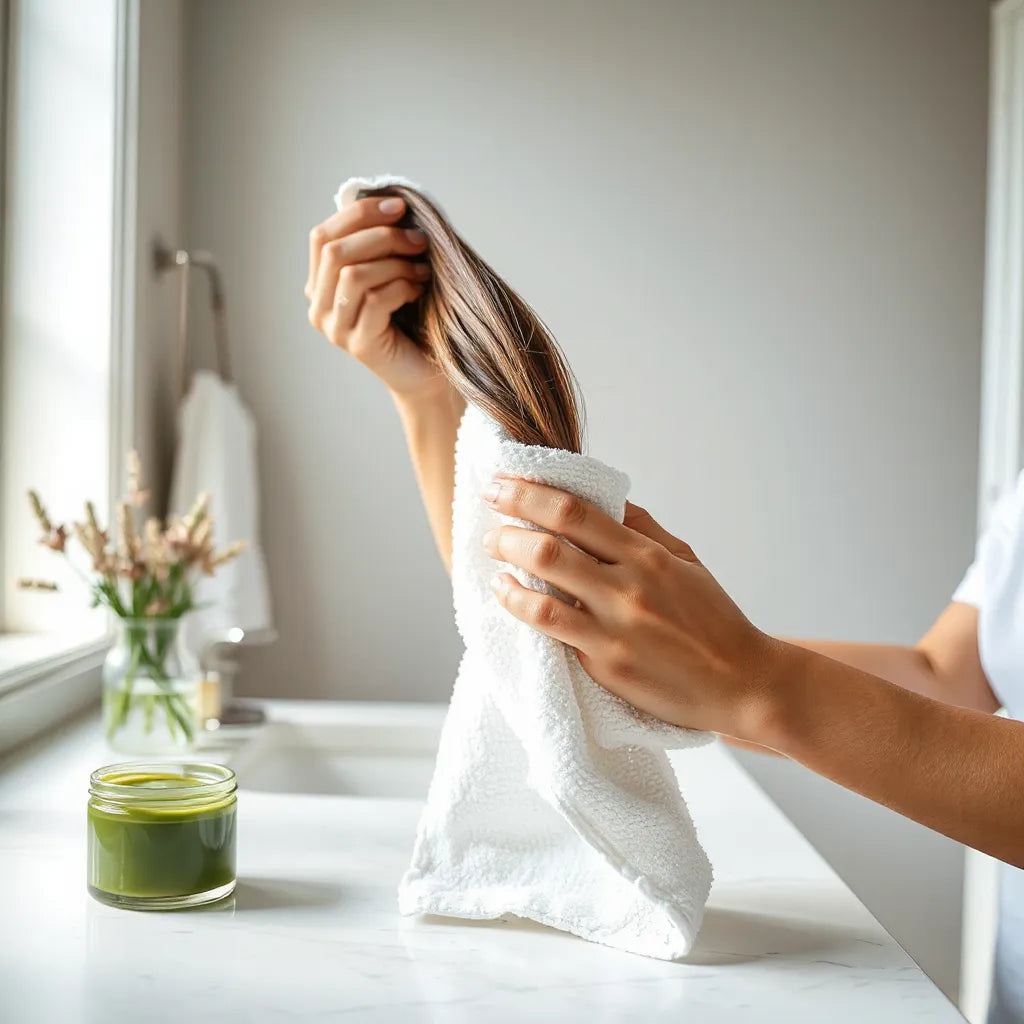
A quick habit change that helps: instead of aggressively drying with a towel, blot or squeeze excess water. If you’ve ever woken up to pillow creases and frizz, you already know friction matters.
Step 3: Moisture + sealing for softer, less brittle ends
Conditioner is your “easy win,” but it works best when you pair it with a sealing step. Depending on your hair type, that could be a leave-in conditioner, a lightweight moisturizer, or a small amount of hair oil at the ends.
Here’s a simple approach: after conditioning, apply a leave-in product to damp hair, then use a light amount of oil or serum only on the lower lengths. The goal isn’t to make hair greasy—it’s to reduce moisture loss and help ends feel smoother.
If your hair is fine, choose thinner textures. If your hair is coarse or curly, you can usually tolerate richer formulas. Your hair will tell you. If it feels coated or heavy, use less. If it feels dry by day two, you may need a bit more hydration.
Step 4: Detangle with patience, not force
Detangling is where breakage loves to sneak in. If you start tugging at knots that won’t move, you’re basically testing your hair’s strength. Instead, detangle when hair is damp and conditioned.
Work in sections. Start from the ends, then move upward. If the knot resists, pause and add a little more slip from your conditioner or leave-in. This one change can make hair look instantly healthier because you’re preventing the “see-through” broken ends that happen when hair snaps.
Step 5: Use heat like a tool, not a habit
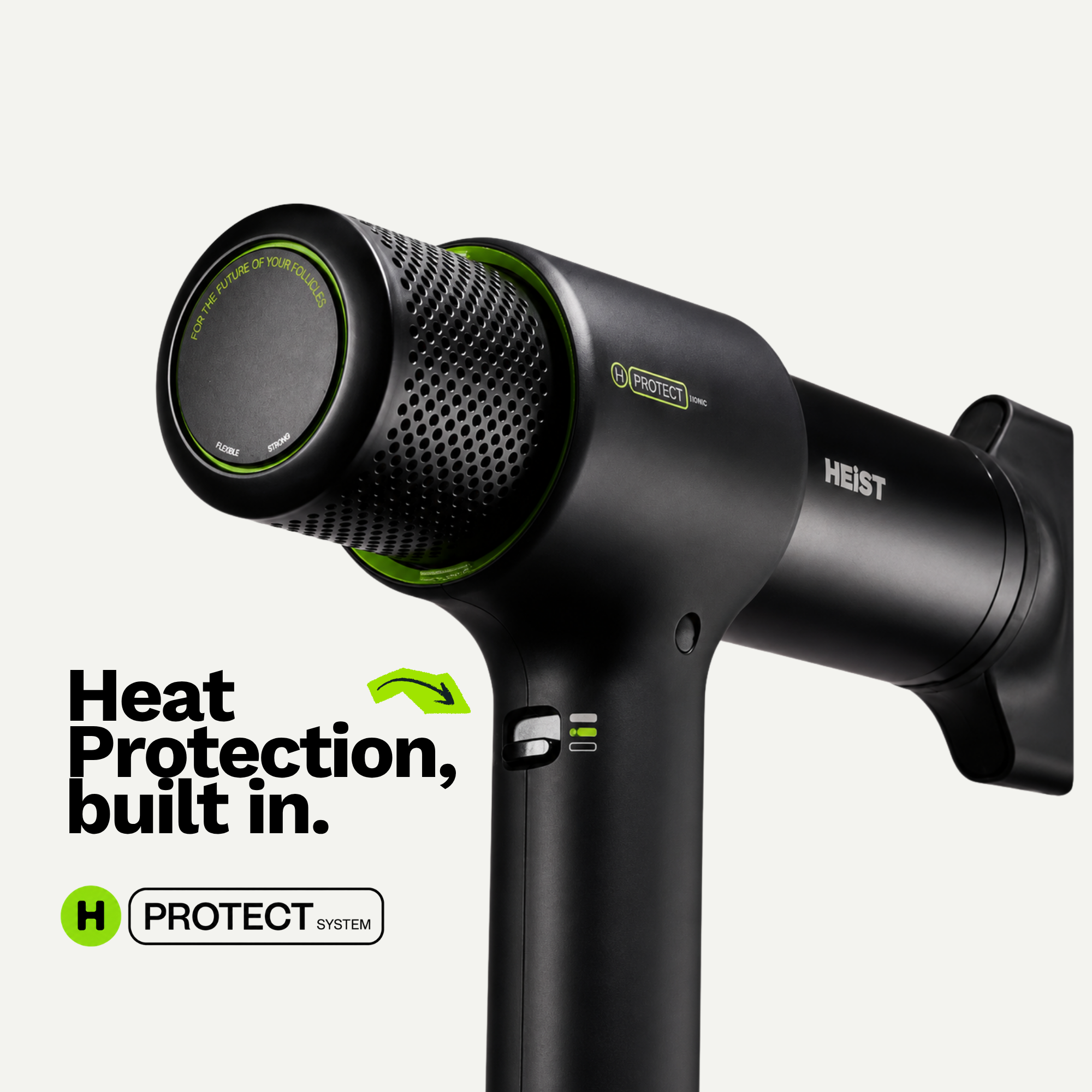
Heat doesn’t automatically ruin hair, but constant high temperatures and frequent passes can wear down the hair shaft. If you style with heat, you can still aim for healthier hair by keeping the process controlled.
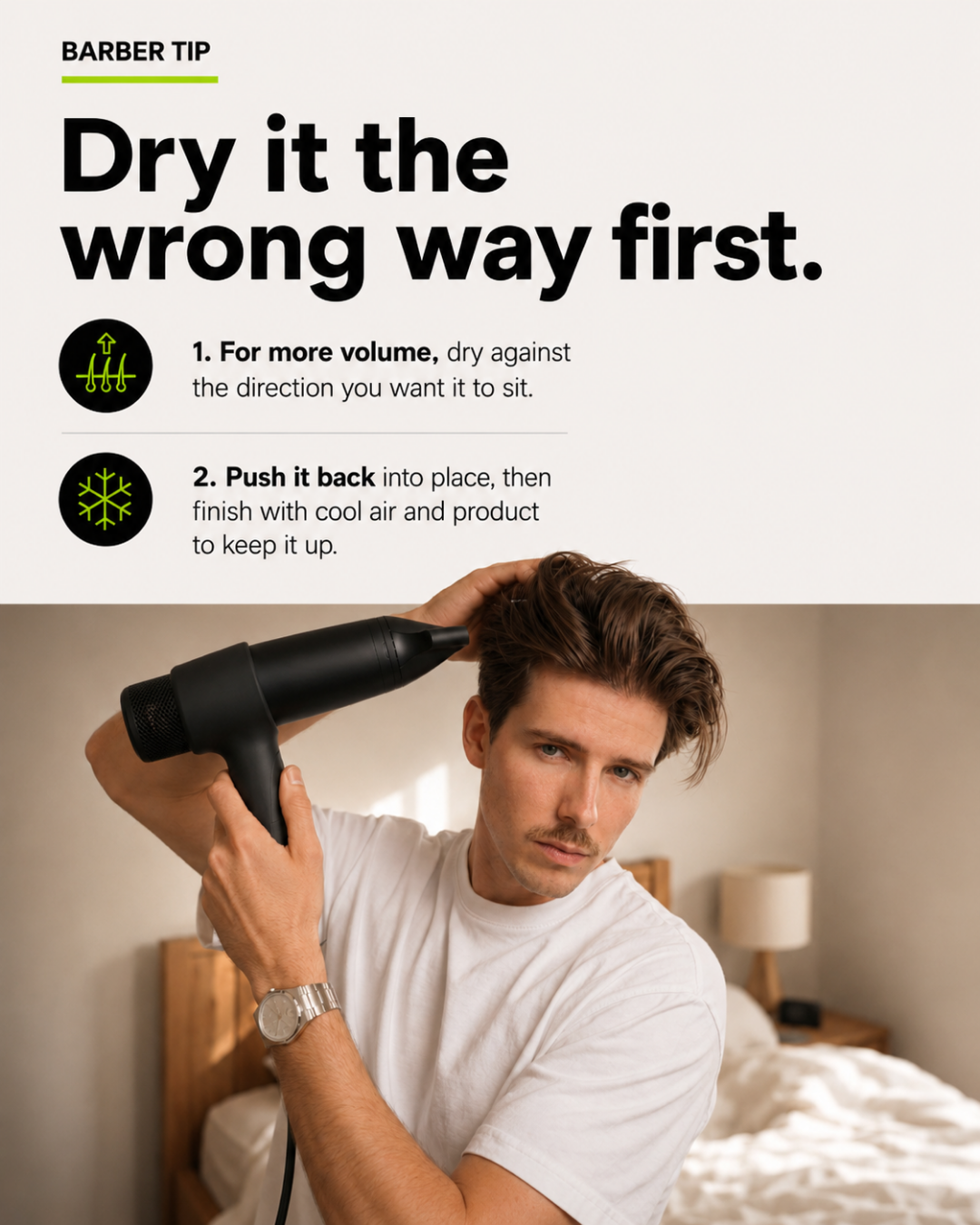
First, dry your hair gently before using a hot tool. Second, use heat protection and choose settings that do the job without going overboard. Third, avoid running the tool repeatedly over the same section.
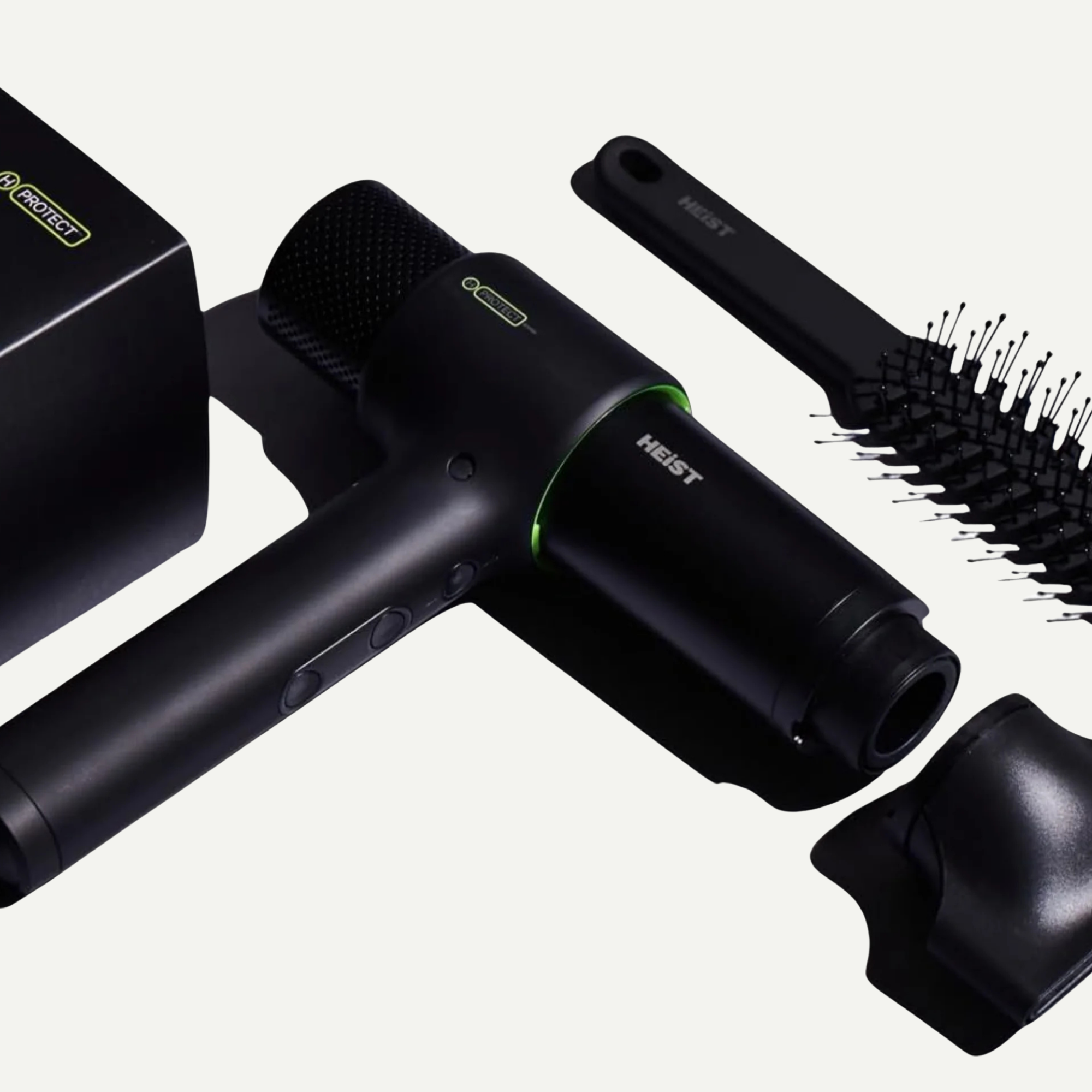
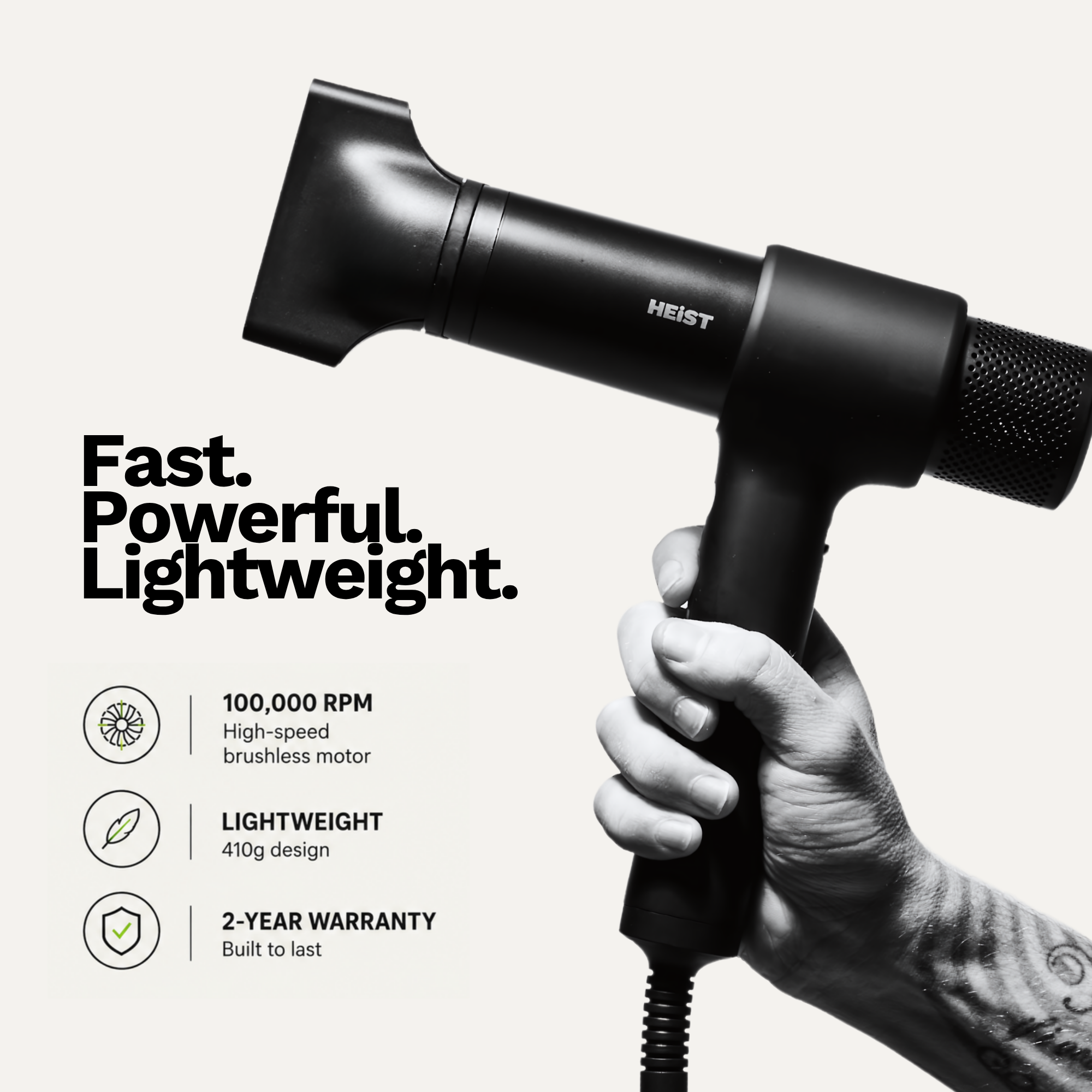
If you’re exploring a safer-feeling drying approach, consider products that support controlled airflow and temperature management. You can also check brand guidance here: hair dryer options. For example, if you use styling attachments, read carefully so you match the tool to your hair type and routine.
Step 6: Reduce friction when you’re not “in charge”
Hair damage doesn’t only happen during styling. It also happens during sleep, commuting, and everyday wear. If you notice frizz and tangles in the morning, friction could be the reason.
Try these simple, low-effort options: use a softer pillowcase, tie hair up gently with a snag-free method, and avoid styles that pull too hard on the edges. If you’re wearing your hair up often, rotate your style location so the tension doesn’t always hit the same spot.
This is also where a protective styling mindset helps. Protective styles aren’t about hiding your hair—they’re about reducing stress on strands while you keep your routine consistent.

Sectioned hair strands, gentle airflow arrows, moisture droplet glow
Step 7: Track what improves (so you don’t guess forever)
One of the best parts of a routine is that it gives you feedback. But only if you’re paying attention in a calm, realistic way.
Pick one or two signals to track for a few weeks, like how your hair feels on wash day, how it holds styling, or how quickly it tangles. If you try everything at once, it gets harder to tell what helped.
You can also “audit” your routine. Ask: Did I reduce tugging during detangling? Did I dry more gently? Did I use heat less often or with lower settings? Did my ends feel softer after washing? Those small answers add up.
Key advantages of a protective routine
- Less breakage, more length retention: When you reduce friction and detangle gently, you often keep hair from snapping at the ends.
- More even moisture: A balanced approach helps strands feel smoother and less crunchy, especially after washing and styling.
- Improved shine and manageability: Conditioned lengths and protected drying can make hair look healthier without heavy product buildup.
- Scalp comfort: Consistent, gentle cleansing supports a calmer scalp environment, which can make hair look fresher longer.
- Less stress in your routine: When your process is repeatable, you’re not constantly chasing “new fixes.”
And here’s the encouraging part: you don’t need a complicated schedule. Even two solid habits—like gentle detangling and friction-friendly drying—can noticeably change how your hair behaves.
If you’re also thinking about tool choices for everyday styling, it can help to learn what attachments or airflow patterns are designed for. This guide may be useful for comparing approaches: hair care routines. And if you’re curious about dryer features that can support a smoother experience, start with heat styling tips.
Summary & next steps
Getting Healthier Hair doesn’t mean chasing perfection. It means protecting what you already have while building habits that your hair can actually handle. Start with scalp care, handle wet hair gently, and create a moisture routine that keeps ends soft without weighing them down. Then reduce heat stress and everyday friction so your strands stay strong between wash days.
Next step: choose one action you can do this week. Maybe it’s detangling in sections, blotting instead of rubbing with a towel, or using a leave-in on damp hair. Do that consistently, then adjust based on what you notice. Your hair is a feedback system—listen to it.
Disclaimer: This article is for general informational purposes only and does not provide medical advice. Results vary by individual and depend on hair texture, habits, and product compatibility. If you have scalp irritation or concerns, consider speaking with a qualified professional.
Q&A
How often should I wash for Healthier Hair?
It depends on your scalp and lifestyle. Many people do well with a routine that keeps buildup low without stripping hair. If your scalp feels oily quickly, you may need more frequent washes. If your hair feels dry or frizzy, you may do better with less frequent washing. The key is consistency and gentle handling.
What’s the biggest mistake that prevents healthier-looking hair?
Rough detangling and friction on wet hair are top culprits. If you yank through knots or aggressively rub with a towel, your ends can break over time. Try detangling with slip on damp, conditioned hair and use a blot-and-squeeze drying method instead of scrubbing.
Can I use heat and still keep hair in good shape?
Yes, as long as you use heat thoughtfully. Dry hair gently first, use heat protection, and avoid repeated passes over the same section. Also, try lowering the settings when possible and letting your style cool before you touch it. The less the heat “battles” your hair, the better it tends to look.
How can I tell my routine is actually working?
Look for simple signs: fewer tangles, softer ends, less frizz, and hair that holds your style more smoothly. Track one or two changes at a time so you can see cause and effect. If you’re using more product than before, you might also be compensating—use less gradually once your hair feels balanced.

Sarah Courtney writes expert hair content for Heist’s blog and guides. She focuses on practical styling advice and product insights that help you nail everyday looks with salon-level results. Her work blends technical knowledge of hair tools with clear step-by-step tips you can apply at home. You can see her byline on posts like Choosing a Salon Quality Dryer for Everyday Home Styling.




Share:
Heist Hair Dryer Tips for Faster, Softer Results