



Updated on: 16 March 2026
Your hair deserves the best care, and protecting it from damage is easier than you might think. In this guide, we'll walk you through practical strategies for keeping your locks healthy and strong. From choosing the right tools to mastering daily habits, you'll discover how simple changes can make a real difference. Learn how to minimize breakage, reduce frizz, and maintain that beautiful shine you love.
Table of Contents
- Understanding Hair Damage and Why It Happens
- Daily Protection Strategies for Healthy Hair
- Styling Safely Without Causing Damage
- Moisture and Nourishment Essentials
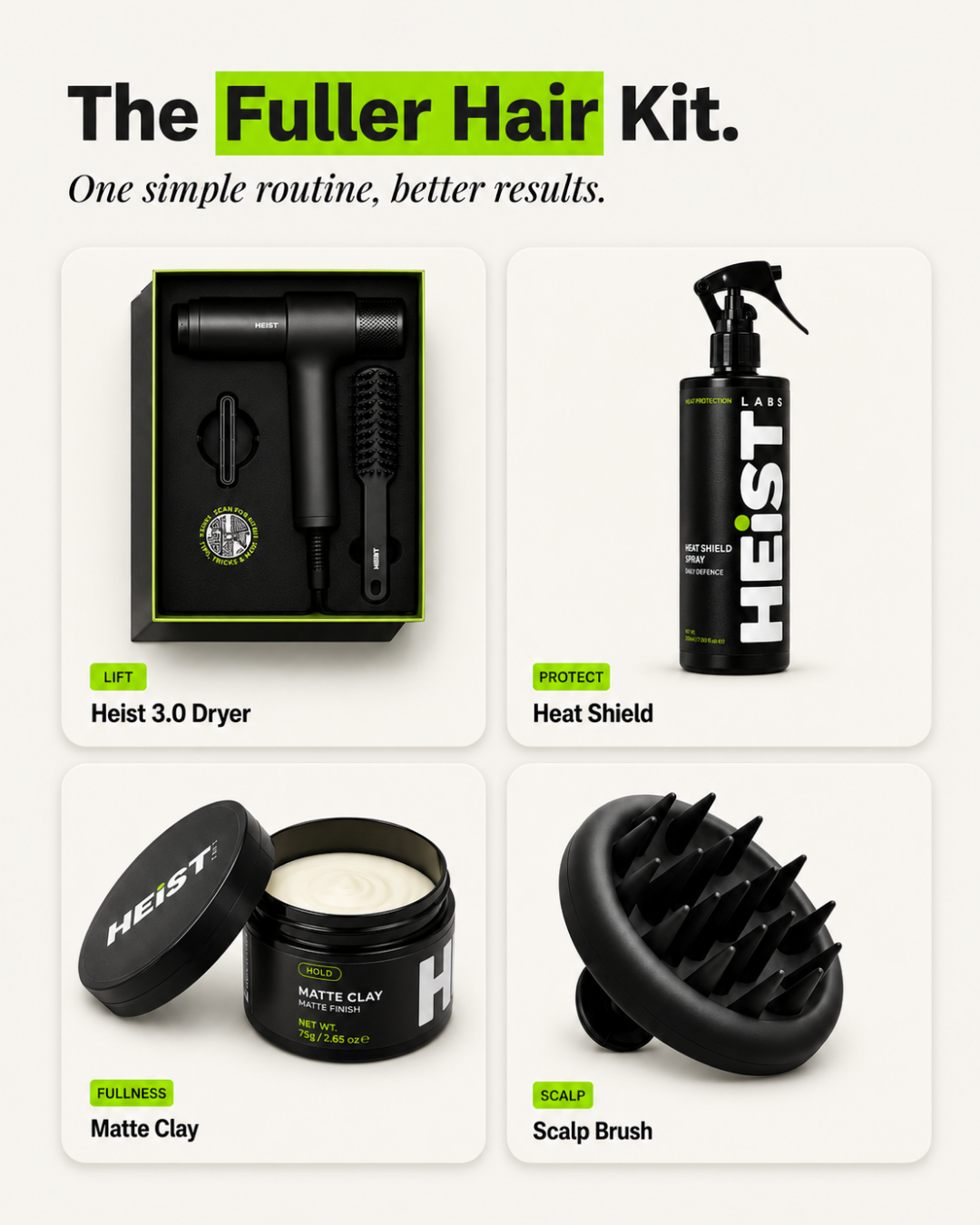
- Choosing the Right Tools and Equipment
- Frequently Asked Questions
Understanding Hair Damage and Why It Happens
Hair damage can happen in so many ways, and honestly, it's more common than you'd think. Whether it's from heat styling, harsh chemicals, environmental stress, or simply rough handling, your strands are constantly under pressure. Understanding what causes damage is the first step in preventing hair damage effectively.
Heat is one of the biggest culprits. When you blow dry, straighten, or curl your hair regularly without protection, the high temperatures can strip away moisture and weaken the protein structure. UV rays from the sun also damage hair, breaking down the bonds that keep your hair strong and shiny. Chemical treatments like colouring, perms, and relaxers can be harsh too, especially if you're not giving your hair proper recovery time between sessions.
Even everyday habits contribute to the problem. Sleeping on a rough pillowcase, brushing wet hair aggressively, or using tight hairstyles constantly can cause breakage and split ends. The good news? Most of these issues are preventable with the right approach and a bit of knowledge.

Magnified hair shaft showing moisture loss and protein breakdown from heat exposure
Daily Protection Strategies for Healthy Hair
Creating a daily routine that protects your hair is simpler than you might expect. Start with the basics: wash your hair with lukewarm water rather than hot water, which strips natural oils. When you do wash, be gentle during the process and avoid vigorous rubbing.
Here's a practical approach to building your daily protection routine:
Step-by-Step Daily Hair Protection
- Use a sulfate-free shampoo: Sulfates are harsh cleansers that strip away natural oils your hair needs. Switching to a gentler formula makes an immediate difference in preventing hair damage and keeping your strands moisturized.
- Apply a leave-in conditioner: After washing, apply a lightweight leave-in conditioner to damp hair. This creates a protective barrier and helps lock in moisture throughout the day.
- Sleep on a silk pillowcase: Cotton pillowcases create friction that causes breakage and frizz. Silk pillowcases reduce this friction significantly, protecting your hair while you sleep.
- Avoid tight hairstyles: Pulling your hair into tight buns, ponytails, or braids regularly causes traction alopecia and breakage. Opt for loose, relaxed styles whenever possible.
- Minimize touching and manipulation: The more you touch your hair, the more you risk causing damage. Try to keep your hands out of your hair throughout the day.
- Apply UV protection spray: If you spend time outdoors, use a UV-protective spray to shield your hair from sun damage. This is especially important during summer months.
- Stay hydrated: Drinking plenty of water supports overall hair health from within. Well-hydrated strands are stronger and more resilient to damage.
Styling Safely Without Causing Damage
You don't have to give up styling to keep your hair healthy. The key is doing it thoughtfully and using the right techniques. When you style with intention, you can maintain beautiful looks while protecting your strands.
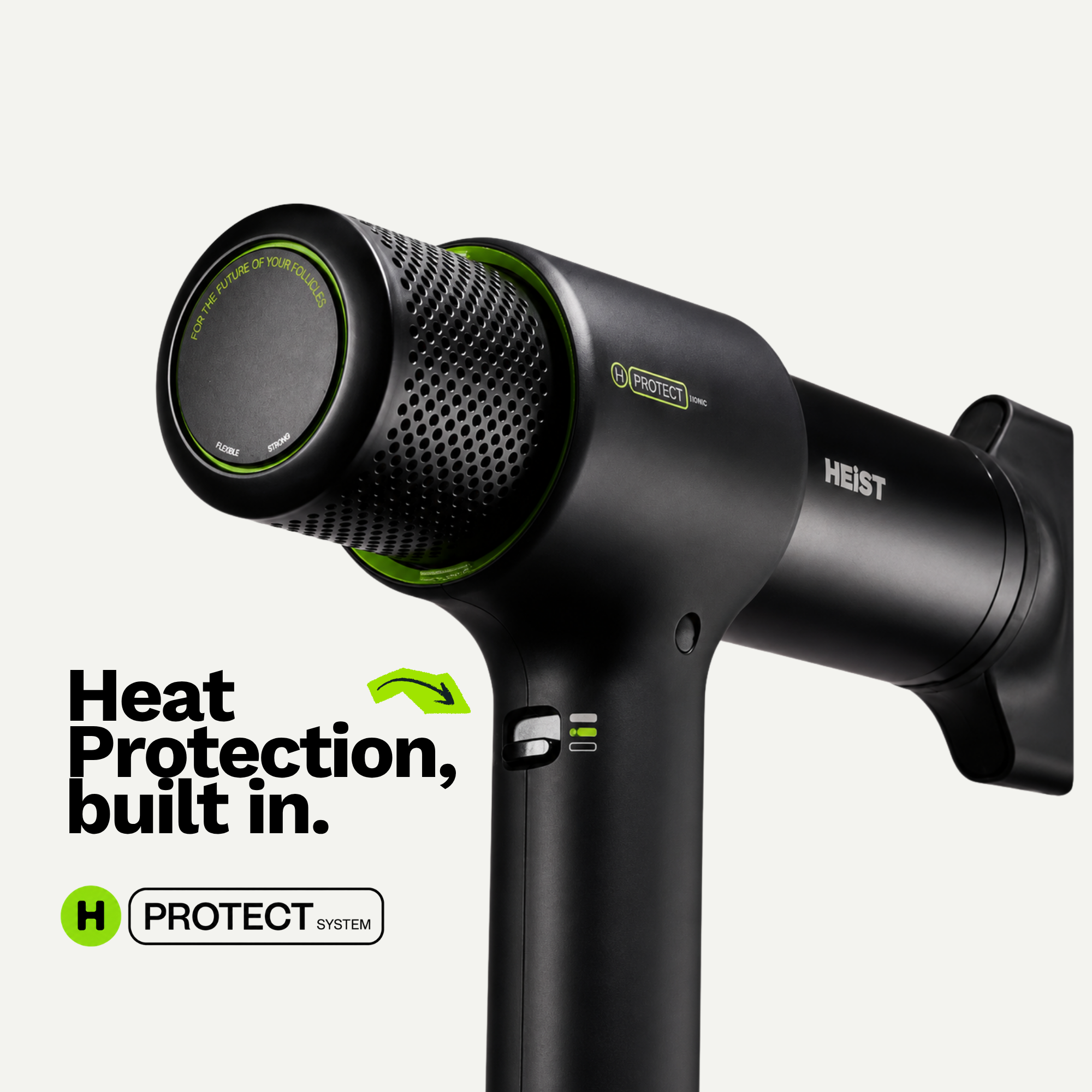
Always apply a heat protectant spray before using any heated tools. These products create a barrier between your hair and the heat source, significantly reducing damage. Look for sprays with silicone or keratin-based formulas that also add shine and smoothness.
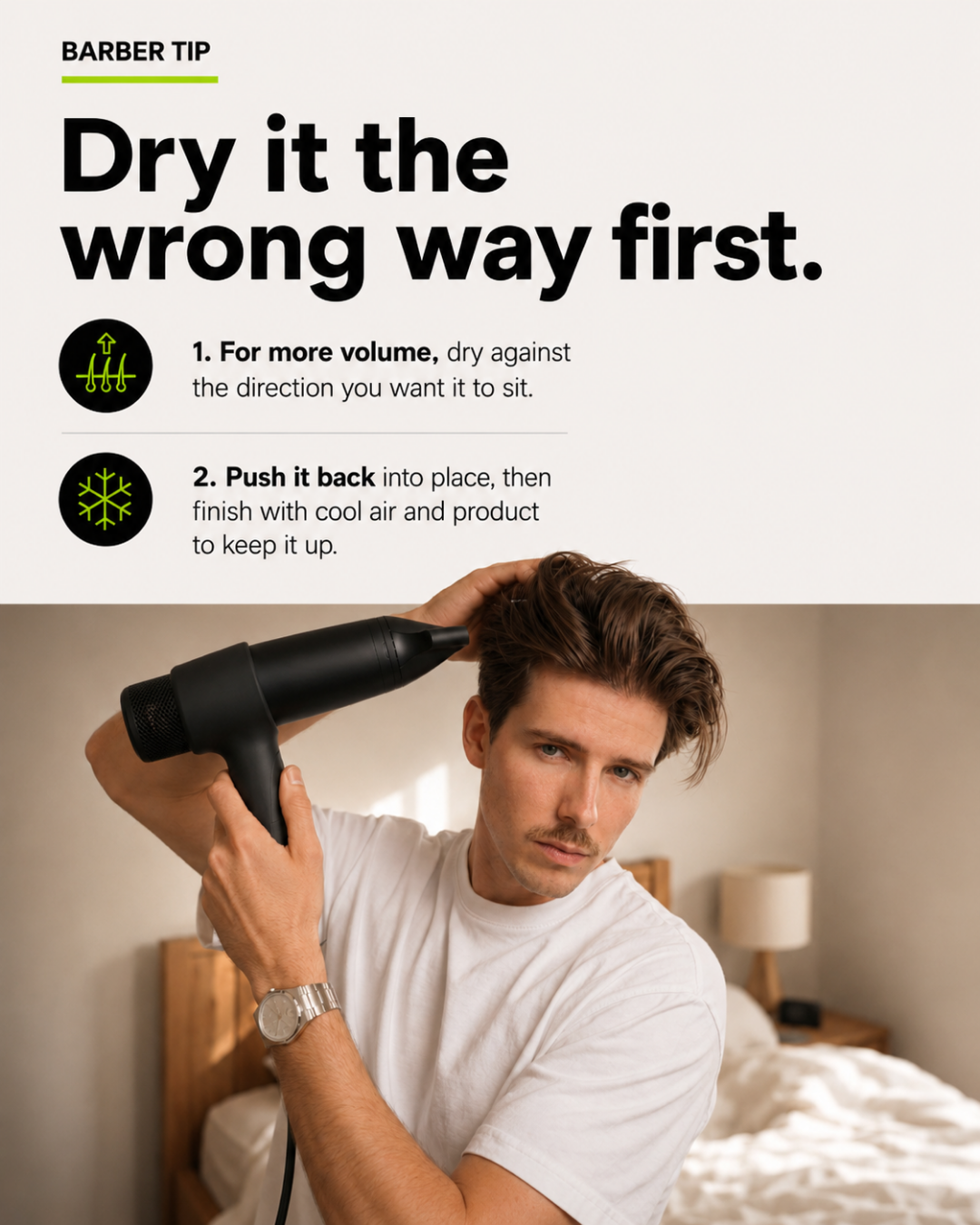
Temperature matters too. Use lower heat settings whenever possible, even if it takes a bit longer to style. Most modern hair dryers have adjustable temperature controls that let you find the sweet spot for your hair type. Fine hair needs less heat than thick or coily hair, so adjust accordingly.
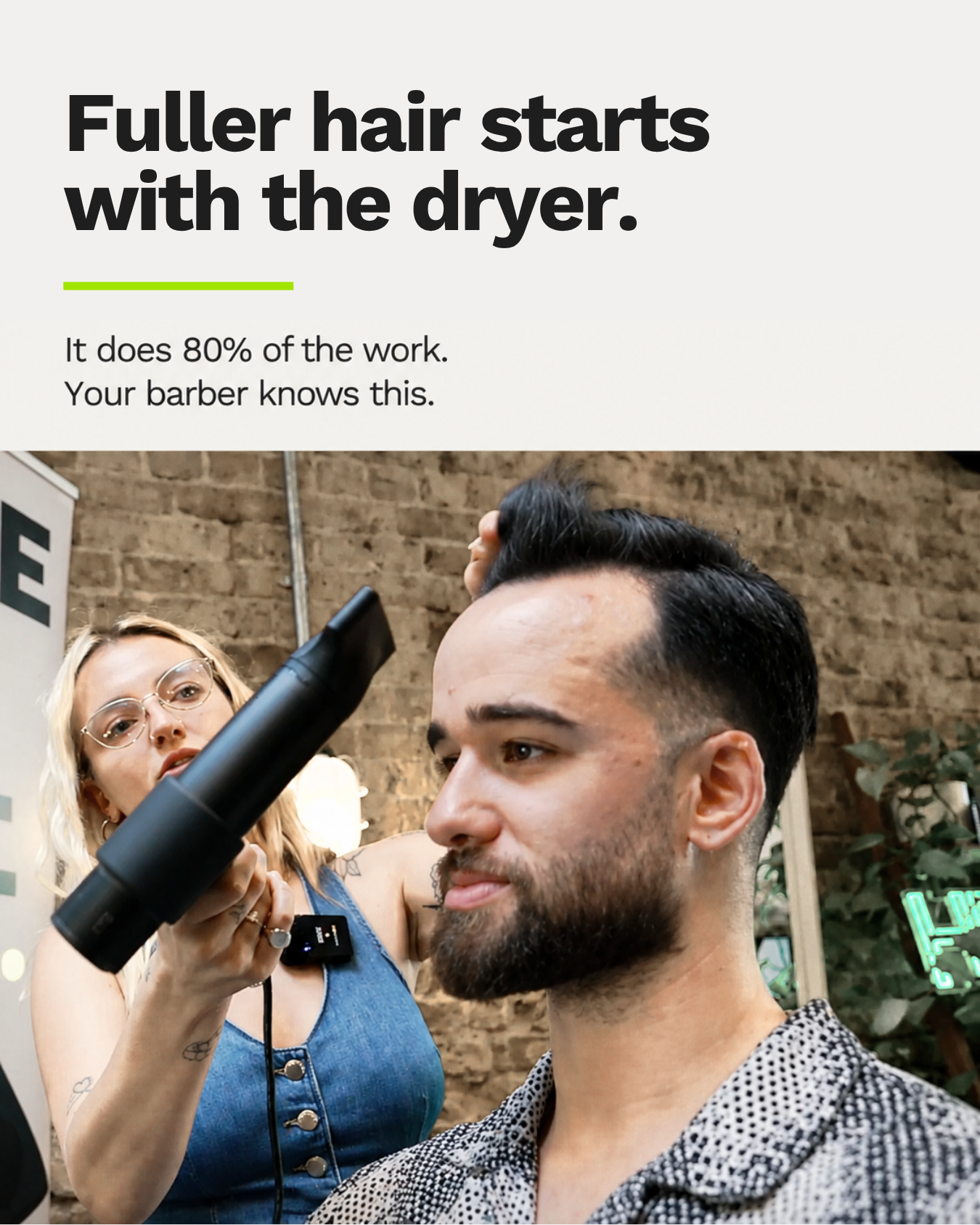
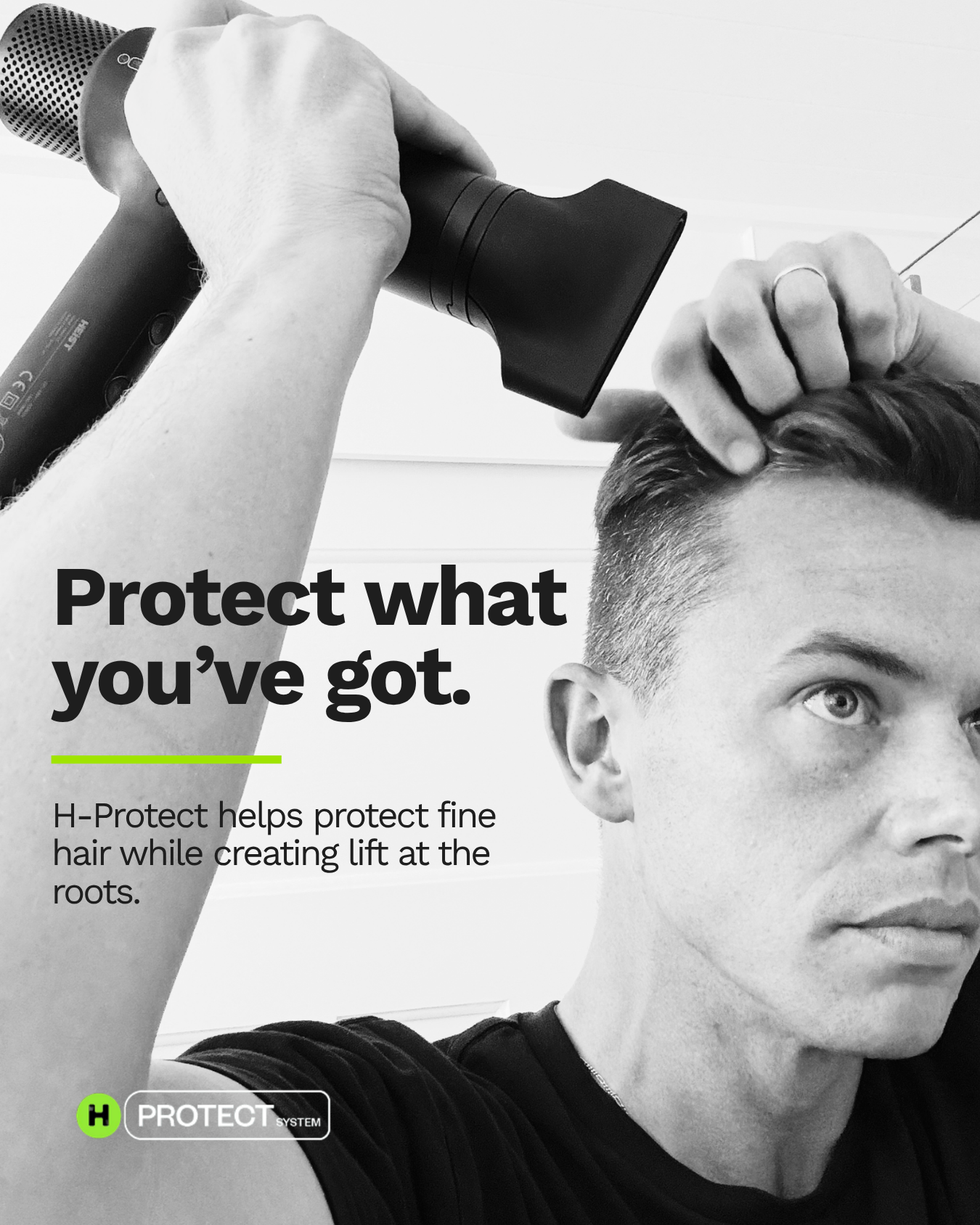
Limit how often you use heated styling tools. If you normally blow dry every day, try air-drying a few days a week instead. Your hair will thank you, and you'll likely notice improved texture and shine. When you do style, consider using advanced drying technology that's gentler on strands.

Heat-resistant protective coating forming shield layer around individual hair strands
Wet hair is weaker and more prone to breakage, so avoid brushing or styling immediately after washing. Let your hair air-dry for at least ten minutes before using heat tools. When you do brush, use a wide-tooth comb on wet hair rather than a regular brush, which causes much more breakage.
Moisture and Nourishment Essentials
Moisture is absolutely crucial for preventing hair damage. Dry, dehydrated hair snaps easily and develops split ends quickly. That's why a solid moisturizing routine is non-negotiable if you want healthy, strong strands.
Invest in a good deep conditioning treatment and use it weekly or bi-weekly depending on your hair's needs. Leave the conditioner on for at least ten to fifteen minutes, or follow package directions. For extra moisture, apply a hair mask and wrap your hair in a warm towel or shower cap to help the product penetrate deeper.
Consider your water type too. Hard water can leave mineral deposits on your hair, making it drier and duller. If you have hard water, installing a shower filter can help significantly. Alternatively, use a chelating shampoo monthly to remove buildup.
Natural oils are your hair's best friend. Even if you have oily scalp, your hair lengths probably need more moisture and protection. If your scalp gets greasy but your ends are dry, apply oils and serums just to the mid-lengths and ends, avoiding the roots.
Choosing the Right Tools and Equipment
The tools you use matter far more than most people realise. Investing in quality hair tools is one of the best ways to reduce damage and achieve better styling results with less effort.
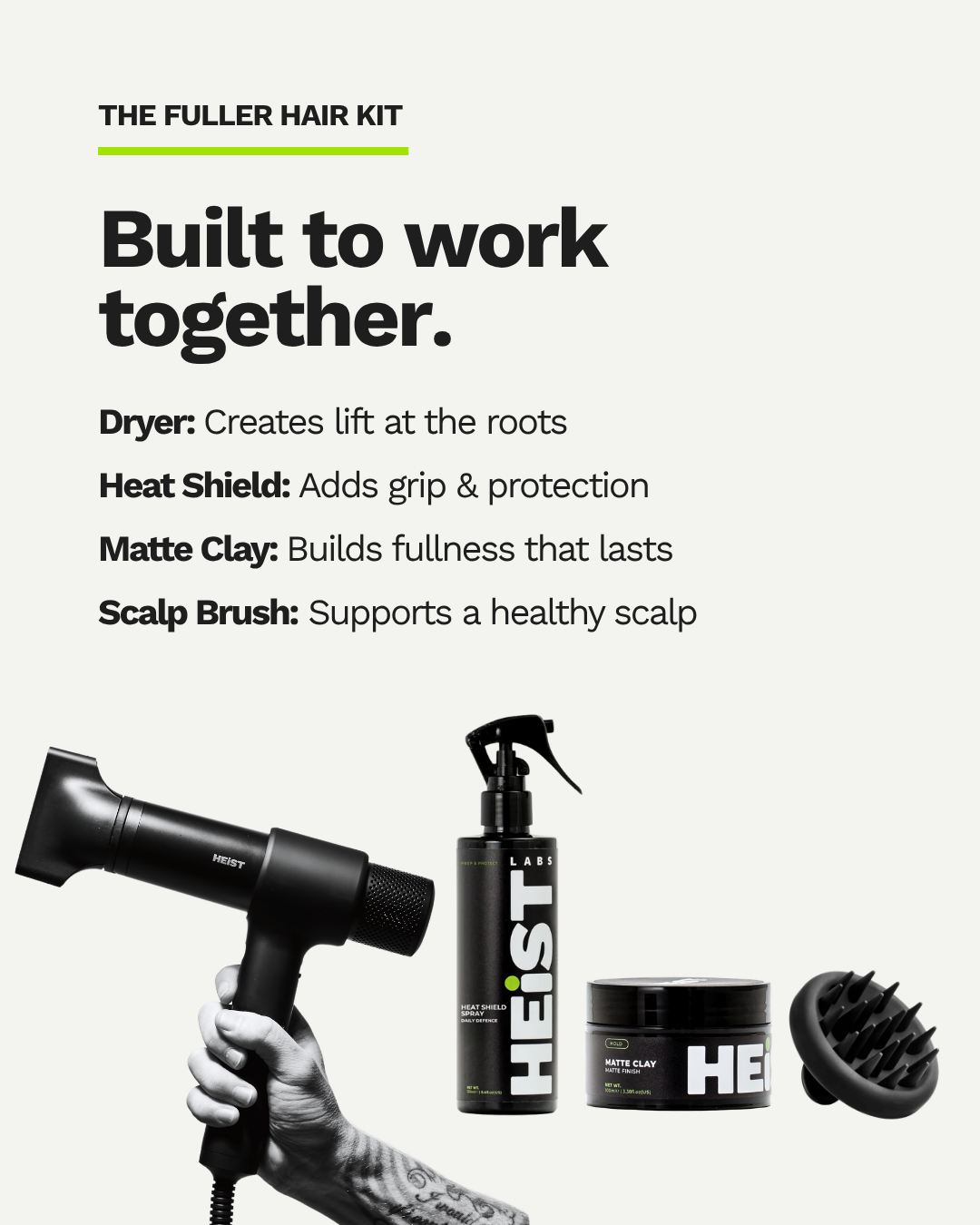
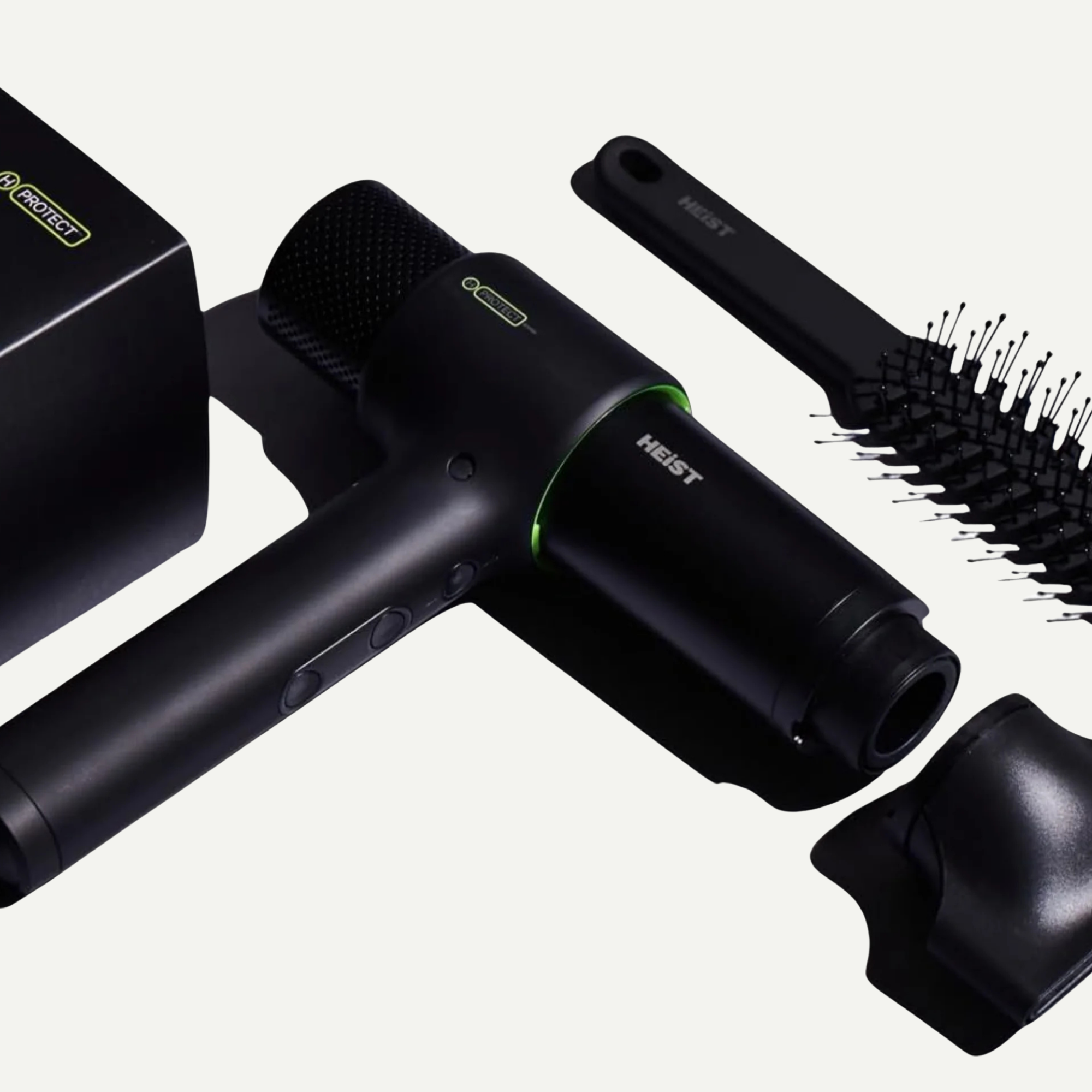
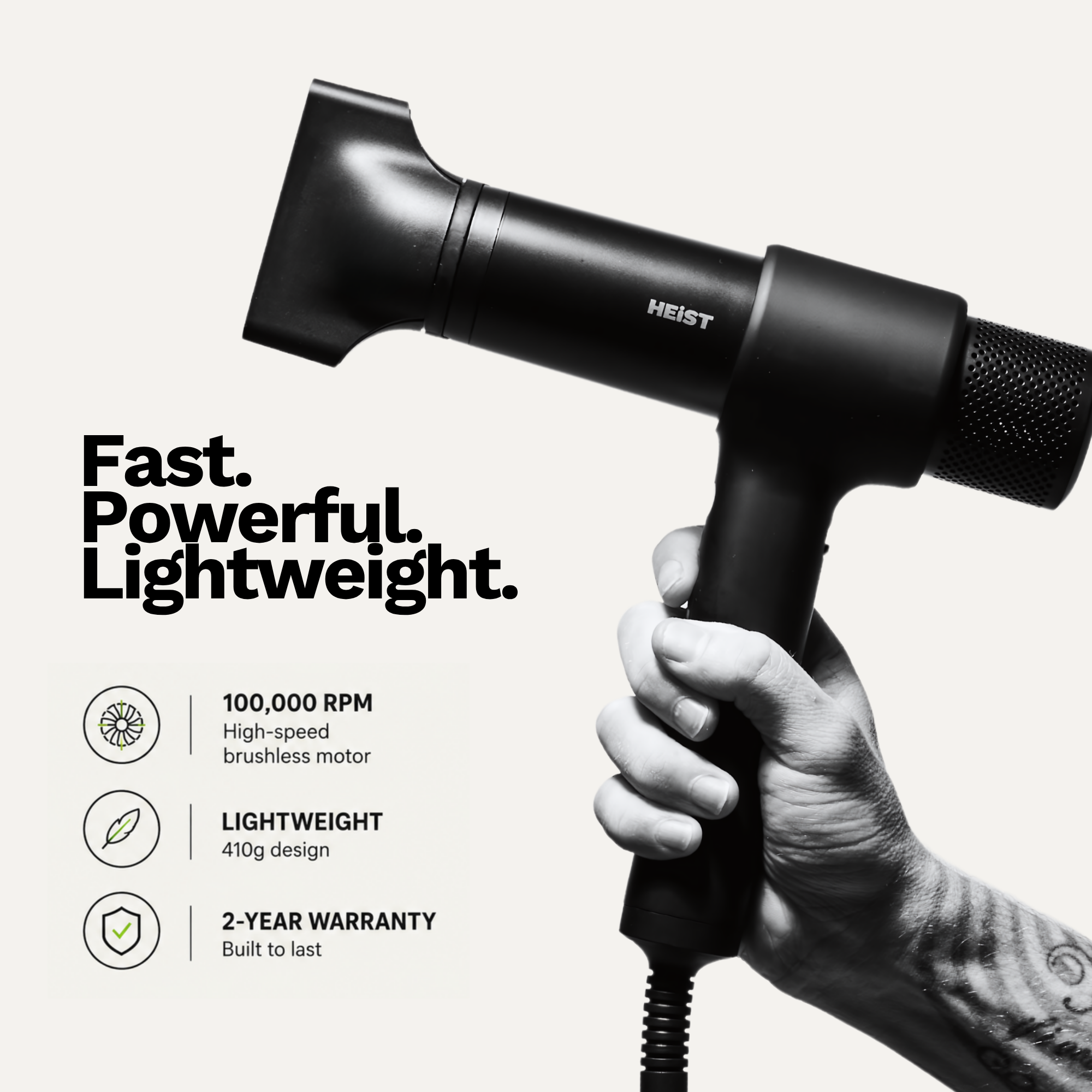
When shopping for a hair dryer, look for one with ionic technology, which reduces frizz and dries hair faster, meaning less heat exposure overall. Ionic hair dryers break water molecules into smaller particles, allowing moisture to penetrate the hair shaft rather than sitting on the surface.
For straighteners and curling irons, ceramic or tourmaline plates are gentler than basic metal plates. These materials distribute heat more evenly and reduce the risk of hot spots that can cause damage. Look for tools with adjustable temperature settings, which lets you use appropriate heat for your specific hair type.
Brush selection is equally important. Boar bristle brushes are gentler than synthetic bristles and distribute natural oils throughout your hair as you brush. For wet hair, always use a wide-tooth comb or a wet brush designed specifically for detangling damp strands. Avoid regular brushes on wet hair, as this causes significant breakage.
If you colour your hair regularly, consider investing in specialized colour-safe tools and products. These are formulated to be gentler on treated hair and help preserve colour vibrancy while reducing additional damage.
Frequently Asked Questions
How Often Should I Get My Hair Trimmed to Prevent Damage?
Getting a trim every six to eight weeks is ideal for preventing split ends from travelling up the hair shaft. If you notice significant damage or breakage, you might trim more frequently. Regular trims are actually preventative because they remove weak, damaged ends before they cause further splitting. Think of it as maintenance that keeps your hair looking and feeling healthier overall.
Can I Prevent Hair Damage If I Colour My Hair Regularly?
Absolutely, though it does require extra care. Coloured hair is already more vulnerable, so prioritise moisturising treatments, avoid excessive heat styling, and use colour-safe products. Space out your colour treatments as much as possible, and consider gentler options like demi-permanent colours or highlights instead of full permanent colour. Deep conditioning treatments become even more important when you colour regularly.
What's the Best Way to Dry Hair Without Damage?
The gentlest method is air-drying whenever your schedule allows. If you need to use heat, always apply a heat protectant first, use the lowest effective temperature, and keep the dryer moving rather than pointing it at one spot. You can also try the "plopping" method: wrap your hair in a microfibre towel or t-shirt for ten to twenty minutes to absorb moisture gently before air-drying or using heat. Modern advanced dryers with smart technology automatically adjust temperature to minimise damage.
Taking care of your hair doesn't require complicated routines or expensive products. Simple, consistent habits make the biggest difference. By understanding what causes damage, protecting your hair daily, and choosing the right tools, you're setting yourself up for long-term hair health. Start implementing these strategies today, and you'll notice improvements in strength, shine, and overall texture within just a few weeks. Your hair will feel stronger, look healthier, and become much more resilient to damage.

Sarah Courtney writes expert hair content for Heist’s blog and guides. She focuses on practical styling advice and product insights that help you nail everyday looks with salon-level results. Her work blends technical knowledge of hair tools with clear step-by-step tips you can apply at home. You can see her byline on posts like Choosing a Salon Quality Dryer for Everyday Home Styling.




Share:
How to Use a Hair Dryer for Safe Easy Home Drying Tips
Multipurpose Hair Styling for Everyday Looks and Quick Results